
Recent Updates: How New Privacy Policies Impact Your Participation in 2026 Product Testing Programs
The world of consumer product testing is a dynamic and essential ecosystem, bridging the gap between innovative ideas and market-ready products. For years, enthusiastic individuals have contributed their time and insights, shaping the products we use daily. However, as technology advances and data becomes an increasingly valuable commodity, the regulatory landscape around personal information is constantly evolving. As we approach 2026, a wave of new privacy policies is set to redefine how product testing programs operate, directly impacting how you, the valued participant, engage with these initiatives. Understanding these changes is not just about compliance; it’s about safeguarding your digital footprint and ensuring your continued, secure involvement in future product development.
The core of these updates revolves around enhancing user control over personal data, increasing transparency from organizations, and implementing stricter accountability measures. These policy shifts are a global phenomenon, driven by a growing awareness of data privacy rights and the need for more robust protections in an interconnected world. For individuals involved in product testing, this translates into both new responsibilities and strengthened rights. This comprehensive guide will delve into the specifics of these 2026 privacy policy updates, explaining their implications for your participation in product testing programs, and offering practical advice on how to navigate this new environment effectively.
Understanding the Evolution of Data Privacy Regulations
Before diving into the specifics of 2026, it’s crucial to grasp the trajectory of data privacy regulations. Over the past decade, we’ve witnessed a significant global movement towards stronger data protection. Landmark legislations like the General Data Protection Regulation (GDPR) in Europe and the California Consumer Privacy Act (CCPA) in the United States set precedents, establishing fundamental rights for individuals regarding their personal data. These regulations introduced concepts such as the right to access, the right to rectification, the right to erasure (or ‘right to be forgotten’), and the right to data portability. They also mandated explicit consent for data processing, clear privacy notices, and designated data protection officers within organizations.
The lessons learned from the implementation and enforcement of these early regulations have directly informed the upcoming 2026 policies. Governments and regulatory bodies have observed where existing frameworks have excelled and where they’ve fallen short, particularly concerning emerging technologies and evolving data collection practices. The 2026 updates are not merely incremental adjustments; they represent a concerted effort to create a more harmonized, comprehensive, and enforceable global standard for data privacy, addressing the complexities of cross-border data transfers, artificial intelligence, and the Internet of Things (IoT) – all of which are highly relevant to product testing scenarios.
Anúncios
The impact of these regulations extends far beyond just tech companies. Any organization that collects, processes, or stores personal data, including those running product testing programs, must adhere to these new standards. This means a fundamental shift in how personal data is handled from the moment it’s collected during a product test, through its analysis, and ultimately to its secure deletion. For you, the participant, this means greater assurance that your information is being treated with the utmost care and respect, but also a need to be more informed about the consent you provide and the rights you hold.
Key Changes in 2026 Privacy Policies Affecting Product Testing Privacy
The 2026 privacy policy updates introduce several critical changes that will directly influence how individuals participate in product testing programs. These changes aim to empower consumers and increase the accountability of organizations. Here’s a breakdown of the most significant shifts:
Enhanced Consent Requirements
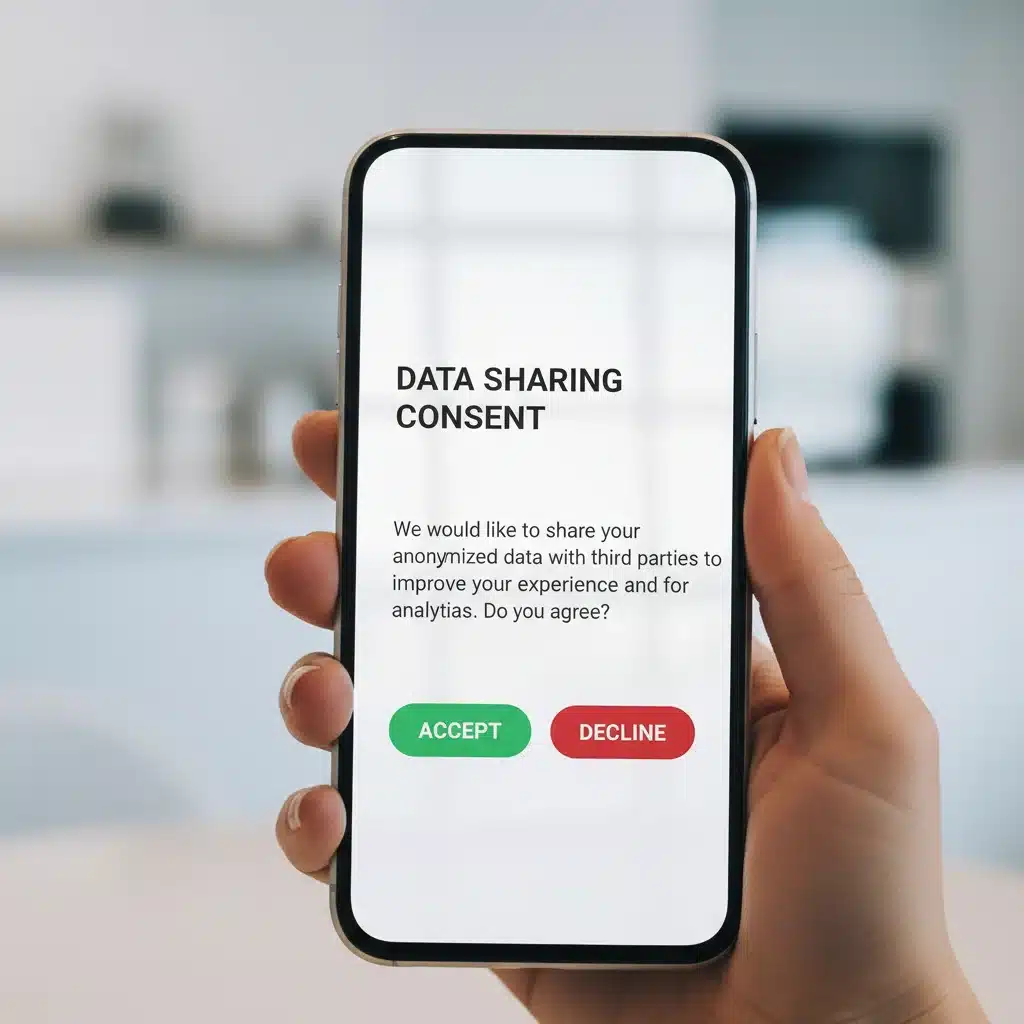
One of the most prominent changes will be the strengthening of consent requirements. Previously, some product testing programs might have relied on broad consent statements or implied consent. The 2026 policies will likely demand more granular, explicit, and unambiguous consent. This means:
- Specific Purpose: You will need to provide consent for each specific purpose for which your data will be used. For example, consent for providing feedback on a product might be separate from consent for demographic analysis or marketing communications.
- Clear and Understandable Language: Privacy notices and consent requests must be presented in plain, easy-to-understand language, avoiding legal jargon or overly complex sentences.
- Easy Withdrawal: It must be as easy to withdraw consent as it is to give it. Organizations must provide clear and accessible mechanisms for participants to revoke their consent at any time, without penalty.
- No Pre-ticked Boxes: Opt-in options must not be pre-selected. You must actively choose to provide your consent.
For product testers, this means you will have a clearer understanding of what data is being collected and why. It also means you’ll have greater control over which aspects of your data you choose to share, fostering a more trust-based relationship between testers and program organizers.
Expanded Data Subject Rights
The 2026 policies are expected to expand and reinforce existing data subject rights, giving individuals more power over their personal information. These include:
- Right to Access: You have the right to request and receive a copy of all personal data an organization holds about you.
- Right to Rectification: If your data is inaccurate or incomplete, you have the right to have it corrected.
- Right to Erasure (Right to be Forgotten): Under certain circumstances, you can request that your personal data be deleted. This is particularly relevant if you decide to withdraw from a product testing program.
- Right to Restriction of Processing: You can request that the processing of your personal data be limited under specific conditions.
- Right to Data Portability: You have the right to receive your personal data in a structured, commonly used, and machine-readable format, and to transmit that data to another controller.
- Right to Object: You can object to the processing of your personal data in certain situations, including for direct marketing purposes.
These expanded rights ensure that even after providing your data for product testing, you retain significant control over its lifecycle and usage. This is a vital aspect of enhancing product testing privacy and building confidence among participants.
Anúncios
Increased Transparency and Accountability
Organizations running product testing programs will face higher standards for transparency and accountability under the 2026 policies. This includes:
- Clear Privacy Notices: Companies must provide comprehensive and easily accessible privacy notices that detail their data collection practices, processing activities, data sharing policies, and the rights of data subjects.
- Data Protection Impact Assessments (DPIAs): For certain high-risk data processing activities, organizations may be required to conduct DPIAs to identify and mitigate privacy risks. This could apply to programs collecting sensitive biometric data or extensive behavioral analytics during product tests.
- Data Breach Notification: Stricter rules will govern how and when organizations must notify individuals and regulatory authorities in the event of a data breach.
- Designated Data Protection Officer (DPO): Many organizations will be mandated to appoint a DPO, responsible for overseeing data protection strategies and ensuring compliance.
These measures are designed to ensure that product testing organizations are not only compliant but also proactive in protecting participant data, thereby strengthening product testing privacy across the board.
Impact on Data Anonymization and Pseudonymization
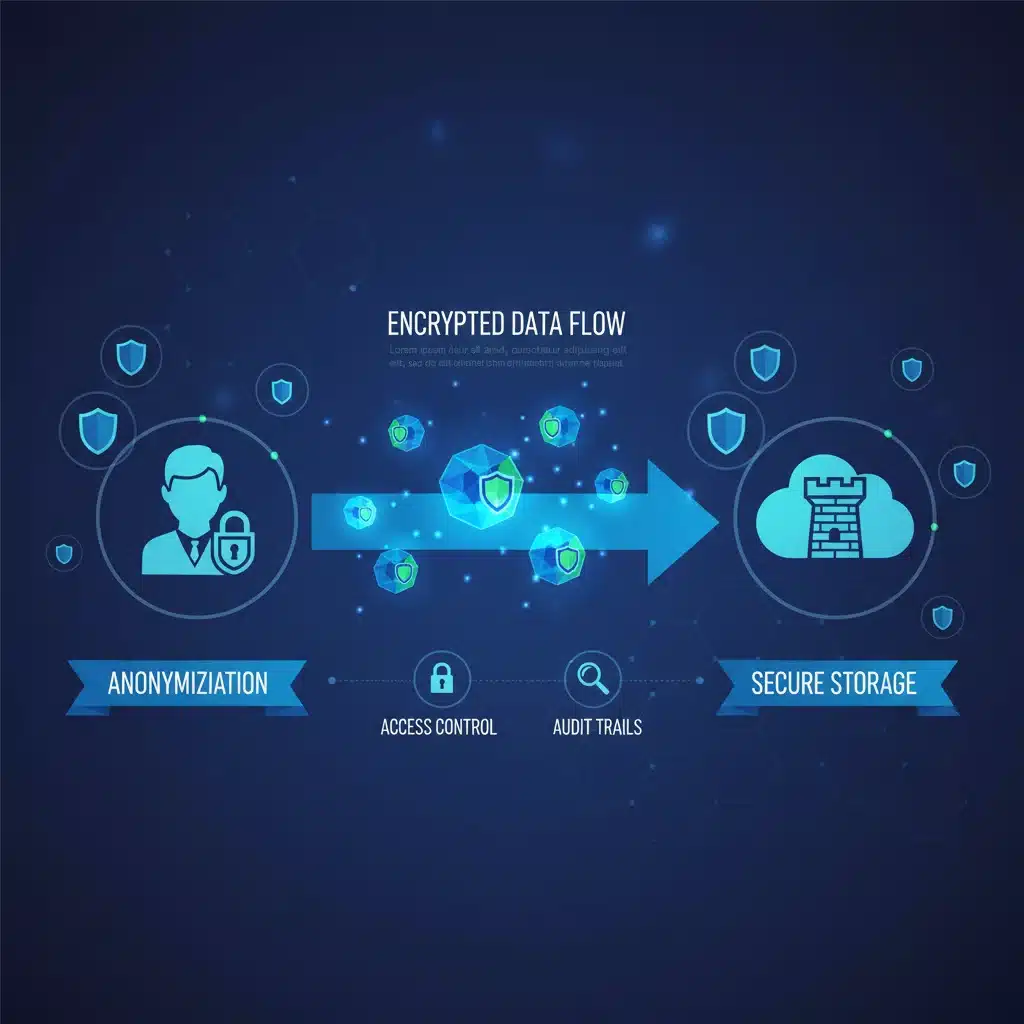
The new policies will likely place a greater emphasis on data anonymization and pseudonymization techniques. Anonymization transforms personal data so that it cannot be linked back to an individual, even with additional information. Pseudonymization replaces identifying information with artificial identifiers, making it harder to identify individuals without a separate key. For product testing:
- When possible, organizations will be encouraged or required to use anonymized data for statistical analysis and reporting, especially when direct personal identification is not necessary for the testing objective.
- Pseudonymization will be a key strategy for reducing risks while still allowing for detailed analysis of user behavior or feedback.
This focus minimizes the risk of re-identification and enhances the overall security of your contributions to product testing programs, further reinforcing product testing privacy.
How These Changes Affect Your Participation in 2026 Product Testing
The upcoming 2026 privacy policy updates will fundamentally alter the experience of participating in product testing programs. While the core activity of providing feedback remains, the procedural aspects surrounding your data will be significantly different.
More Granular Control Over Your Data
The most immediate and beneficial impact for participants is the increased control over your personal data. You will likely encounter more detailed consent forms that allow you to opt-in or opt-out of specific data collection categories. For instance, you might be able to consent to sharing your product usage data but decline to share your geographic location, or agree to participate in a survey without consenting to receive future marketing emails. This level of granularity empowers you to tailor your participation to your comfort level, enhancing your product testing privacy.
Increased Trust and Transparency
With clearer privacy policies and more explicit consent mechanisms, you can expect a higher degree of trust and transparency from product testing organizations. Companies will be motivated to clearly articulate their data practices to avoid penalties and to maintain a positive reputation among potential testers. This transparency builds confidence, making you more likely to engage with programs that demonstrate a strong commitment to your privacy. Knowing exactly how your data is used and protected can alleviate concerns about misuse, fostering a more engaged and loyal testing community.
Potential for More Rigorous Onboarding Processes
While beneficial, the enhanced consent requirements might lead to slightly more rigorous or detailed onboarding processes for new product testing programs. You might spend a bit more time reviewing privacy policies and making specific consent choices. However, this initial investment of time is a small price to pay for the assurance that your data is handled responsibly and in accordance with your preferences. Organizations will also need to streamline these processes to ensure they are user-friendly while still meeting regulatory demands.
Impact on Data Collection Methods
Product testing programs may need to adjust their data collection methods to comply with the new policies. This could mean:
- Minimizing Data Collection: Organizations will be incentivized to collect only the data absolutely necessary for the testing objectives, adhering to the principle of data minimization.
- Default Privacy Settings: Products and platforms used for testing might come with privacy-by-default settings, requiring explicit action from you to share more data.
- Secure Data Transmission: Expect more emphasis on encrypted and secure channels for transmitting your feedback and usage data to prevent interception or unauthorized access.
These adjustments are designed to protect your product testing privacy from the ground up, reducing the risk of data exposure throughout the testing cycle.
Easier Exercise of Your Rights
The 2026 policies will likely mandate that organizations make it easier for you to exercise your data rights. This means clear instructions on how to request access to your data, correct inaccuracies, or even request deletion of your information. You might find dedicated privacy dashboards or contact points specifically for data rights requests, simplifying the process of managing your digital footprint within product testing programs. This ease of access is crucial for maintaining active control over your personal information.
Best Practices for Product Testers in the New Privacy Landscape
As a product tester, adapting to the 2026 privacy policy changes is key to ensuring your continued and secure participation. Here are some best practices to keep in mind:
Read Privacy Policies Carefully
This cannot be stressed enough. While it might seem tedious, taking the time to read and understand the privacy policy of any product testing program you join is paramount. Look for sections that detail:
- What data is collected.
- How the data is used.
- With whom the data is shared (third parties).
- How long the data is stored.
- Your rights regarding your data and how to exercise them.
- Contact information for their Data Protection Officer or privacy team.
If anything is unclear, don’t hesitate to ask the program organizers for clarification. A reputable program will be transparent and willing to provide answers. This vigilance is your first line of defense for product testing privacy.
Provide Granular Consent Thoughtfully
When presented with granular consent options, consider each one carefully. Don’t just click ‘Accept All’ without understanding the implications. If a specific data usage doesn’t feel necessary for the product testing purpose, or if you’re uncomfortable with it, decline that specific consent. Remember, you have the power to control what you share. This deliberate approach strengthens your product testing privacy.
Use Strong, Unique Passwords and Two-Factor Authentication (2FA)
Even with enhanced privacy policies, basic cybersecurity hygiene remains critical. Use strong, unique passwords for all your product testing accounts and enable two-factor authentication (2FA) wherever available. This adds an extra layer of security, protecting your account from unauthorized access, even if your password is compromised elsewhere.
Be Mindful of What You Share Voluntarily
Beyond the data explicitly requested, be cautious about personal information you might inadvertently share in open-ended feedback fields, forums, or unmoderated chat groups associated with product testing. While helpful for feedback, revealing too much personal detail can sometimes lead to unintended privacy risks. Stick to information directly relevant to the product and testing experience.
Regularly Review Your Data and Permissions
Periodically check your settings and permissions within product testing platforms. Many platforms will offer a dashboard where you can review the data they hold about you and modify your consent preferences. Take advantage of your right to access and rectify your data. If you’ve completed a testing program and no longer wish for your data to be held, consider exercising your right to erasure.
Stay Informed About Updates
Data privacy is an evolving field. Stay informed about major privacy news and any further updates to regulations. Reputable product testing organizations will usually communicate significant changes to their policies, but it’s always good to be proactive in your knowledge. Following privacy-focused news outlets or consumer rights organizations can help you stay ahead.
Challenges and Opportunities for Product Testing Programs
The 2026 privacy policy updates present both challenges and significant opportunities for product testing organizations. Navigating these changes effectively will determine their success in the evolving landscape.
Challenges:
- Implementation Complexity: Adhering to new, potentially complex global privacy standards requires significant investment in legal, IT, and operational resources.
- Data Management Overhaul: Organizations will need to re-evaluate and often overhaul their entire data lifecycle management, from collection to deletion, to ensure compliance.
- User Experience vs. Compliance: Balancing the need for explicit consent with a smooth, user-friendly onboarding experience will be a delicate act. Too many pop-ups or lengthy forms could deter participants.
- Maintaining Data Quality: With more granular consent, programs might face challenges in collecting all the desired data points, potentially impacting the comprehensiveness of their insights if not managed strategically.
- Increased Fines and Reputation Risk: Non-compliance carries significant financial penalties and can severely damage a company’s reputation and trust with its user base.
Opportunities:
- Building Stronger Trust: By demonstrating a clear commitment to product testing privacy, organizations can build deeper trust with their participants, leading to more engaged and loyal testing communities.
- Competitive Advantage: Companies that proactively embrace and excel in privacy compliance can differentiate themselves, attracting more privacy-conscious testers and standing out in the market.
- Improved Data Hygiene: The need for compliance forces organizations to adopt better data hygiene practices, leading to more organized, secure, and efficient data management overall.
- Innovation in Privacy-Preserving Technologies: The new policies will spur innovation in privacy-enhancing technologies, such as advanced anonymization techniques, secure multi-party computation, and federated learning, which can still yield valuable insights without compromising individual data.
- Global Harmonization: While challenging initially, a move towards more harmonized global privacy standards can ultimately simplify cross-border data transfers and international product testing programs in the long run.
Ultimately, these updates are pushing the product testing industry towards a more ethical and sustainable future, where innovation and consumer protection go hand-in-hand, significantly enhancing product testing privacy.
The Future of Product Testing and Privacy
The 2026 privacy policy updates are not the end of the journey but rather a significant milestone in the ongoing evolution of data privacy. As technology continues to advance, particularly in areas like AI, biometrics, and augmented reality, new challenges and considerations for privacy will undoubtedly emerge. Product testing will continue to be vital, but its methodologies will need to adapt constantly to remain compliant and ethical.
We can anticipate a future where product testing programs are even more transparent, offering participants real-time control over their data through sophisticated privacy dashboards. The emphasis will be on ‘privacy by design,’ where privacy considerations are integrated into every stage of product and program development, rather than being an afterthought. The industry will likely see a rise in specialized privacy tools and services tailored for market research and product testing, helping organizations navigate the complexities while maintaining robust data collection capabilities.
For you, the product tester, this means a future where your contributions are not only valued for their insights but also protected with the highest standards of data security and personal autonomy. Your informed participation will be more crucial than ever, as you become an active partner in shaping not just products, but also the standards of digital ethics that govern their development. Embracing these changes ensures that product testing remains a powerful force for innovation, built on a foundation of trust and respect for individual privacy.
Conclusion: Embracing a Secure and Transparent Future for Product Testing
The 2026 privacy policy updates mark a pivotal moment for product testing. While they introduce new complexities and responsibilities for both organizations and participants, their overarching goal is to create a more secure, transparent, and user-centric environment for data handling. For product testers, this translates into greater control over your personal information, clearer understanding of how your data is used, and stronger legal protections for your privacy.
By proactively understanding these changes, carefully reviewing privacy policies, and thoughtfully managing your consent, you can continue to participate confidently and effectively in product testing programs. Organizations, in turn, are challenged to innovate in their data management and communication strategies, fostering deeper trust with their testing communities. The future of product testing is one where innovation thrives within a robust framework of privacy and ethical data practices, ensuring that your valuable feedback continues to shape the products of tomorrow, all while safeguarding your product testing privacy.