Returns Management 2026: US Retailers’ Innovative Strategies to Cut Return Rates by 20%

Anúncios
In the dynamic landscape of US retail, returns have long been an unavoidable, often costly, reality. However, as we look towards 2026, a paradigm shift is underway. Retailers are no longer viewing returns as a mere operational necessity but as a strategic opportunity to enhance customer satisfaction, optimize supply chains, and ultimately, boost profitability. The ambitious goal? To reduce return rates by a significant 20% while simultaneously elevating the customer experience. This comprehensive guide explores the innovative strategies and technological advancements that will define retail returns management in the coming years.
The Escalating Challenge of Retail Returns
Before delving into solutions, it’s crucial to understand the magnitude of the challenge. E-commerce growth, accelerated by recent global events, has brought with it a corresponding surge in returns. Customers, accustomed to the convenience of online shopping, often engage in ‘bracketing’ (buying multiple sizes/colors with the intent to return most) or ‘wardrobing’ (wearing an item once and returning it). The cost implications are staggering, encompassing not just the loss of sale but also shipping, restocking, quality control, and potential markdown of returned goods.
According to industry reports, the average return rate in the US retail sector hovers around 16-18%, with e-commerce returns often exceeding 25-30% for certain categories like apparel. For retailers, this translates into billions of dollars in lost revenue and operational inefficiencies. Moreover, a cumbersome returns process can significantly damage brand loyalty and customer perception. In 2026, successful retail returns management will hinge on proactive prevention and streamlined processing, transforming a pain point into a competitive advantage.
Anúncios
Proactive Strategies: Preventing Returns Before They Happen
The most effective return strategy is prevention. By addressing the root causes of returns, retailers can significantly reduce the volume of items coming back. This involves a multi-faceted approach leveraging data, technology, and improved customer communication.
Enhanced Product Information and Visualization
One of the primary reasons for returns, especially in apparel and home goods, is that the product doesn’t meet customer expectations. In 2026, retailers will invest heavily in providing hyper-accurate and immersive product information:
Anúncios
- 3D Modeling and Augmented Reality (AR): Customers will be able to virtually ‘try on’ clothes or ‘place’ furniture in their homes using AR apps, giving them a much clearer sense of fit, size, and appearance. This technology is becoming more accessible and sophisticated, moving beyond novelty to become a standard feature.
- Detailed Sizing Guides and Fit Predictors: Generic size charts are a thing of the past. AI-powered fit predictors will use customer data (previous purchases, body measurements, brand preferences) to recommend the ideal size, significantly reducing fit-related returns.
- High-Quality Imagery and Video: Multiple angles, close-ups, and videos showcasing products in use will help customers make more informed decisions, minimizing surprises upon arrival.
- User-Generated Content (UGC) and Reviews: Leveraging customer photos and detailed reviews, particularly those that discuss fit, material, and actual appearance, provides authentic insights that can guide future buyers.
Improved Product Descriptions and Specifications
Beyond visuals, the textual information accompanying products is critical. Clear, concise, and comprehensive descriptions that highlight key features, materials, care instructions, and dimensions are essential. Ambiguity often leads to disappointment and, consequently, returns. Retailers will increasingly use AI to optimize product descriptions, ensuring they are not only informative but also answer common customer queries proactively.
Personalized Recommendations and Guided Selling
AI and machine learning will play a pivotal role in guiding customers towards products that truly match their needs and preferences. By analyzing browsing history, purchase patterns, and explicit feedback, retailers can offer highly personalized recommendations, reducing the likelihood of a purchase mismatch that would otherwise result in a return.
Reactive Strategies: Streamlining the Returns Process
Despite best efforts, some returns are inevitable. The focus then shifts to making the returns process as smooth, efficient, and customer-friendly as possible. A positive returns experience can actually build loyalty, turning a potential detractor into a brand advocate.
Seamless and Automated Returns Portals
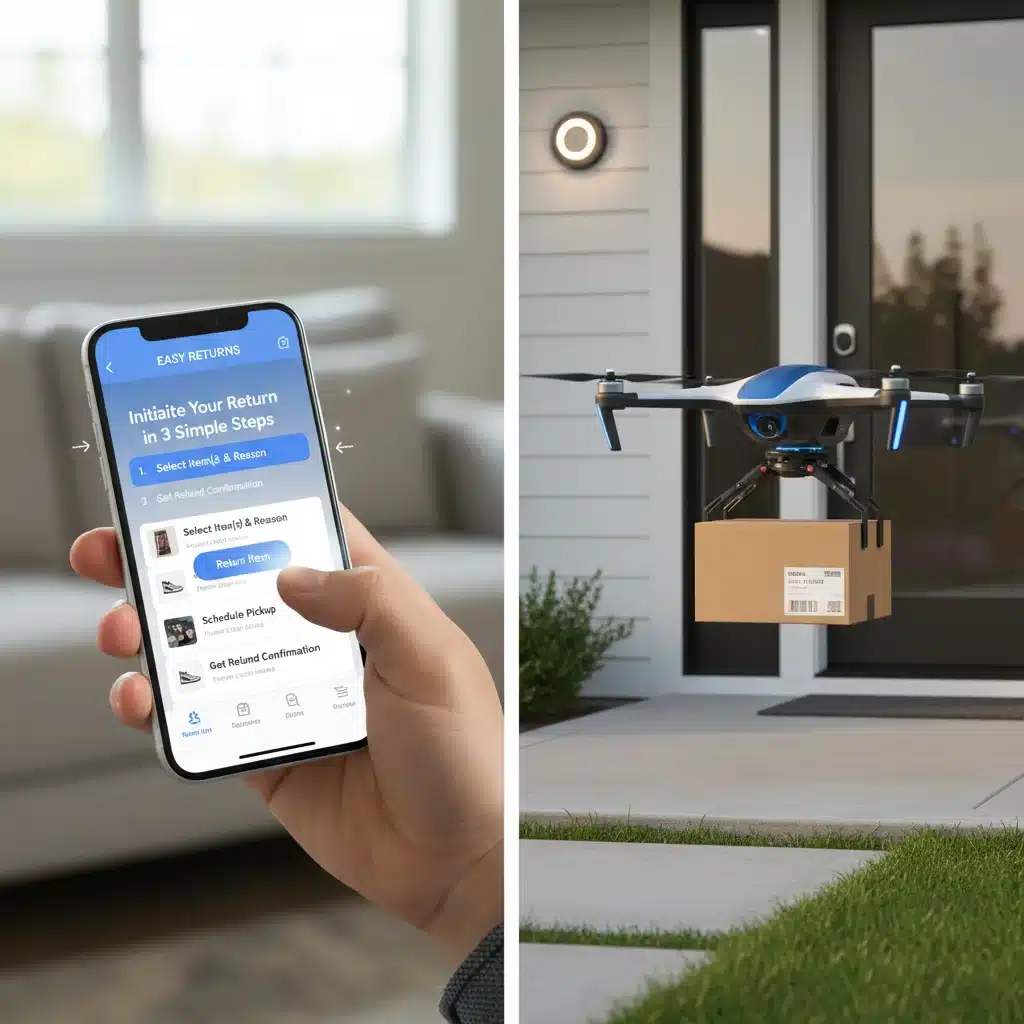
Gone are the days of printing labels and visiting the post office. In 2026, returns will be initiated and managed almost entirely through intuitive online portals or mobile apps:
- Self-Service Options: Customers will easily initiate returns, select return reasons, and choose preferred refund/exchange options without needing to contact customer service.
- Multiple Return Channels: Offering various return points – mail, in-store drop-off, locker systems, and even home pickup services – caters to diverse customer preferences and convenience.
- Automated Label Generation: Digital return labels, QR codes for label-less returns at designated drop-off points, and automated scheduling for pickups will be standard.
Intelligent Reverse Logistics and Supply Chain Optimization
The journey of a returned item back into the supply chain is complex and costly. Advanced reverse logistics will be key to minimizing losses:
- Automated Sorting and Inspection: AI-powered systems will quickly assess the condition of returned items, directing them for restocking, repair, repackaging, or recycling/disposal. This speeds up the process and reduces manual errors.
- Dynamic Routing: Returned items will be routed to the most appropriate destination – be it a fulfillment center, a refurbishment facility, or a liquidation partner – based on their condition, location, and market demand.
- Collaboration with 3PLs: Retailers will increasingly partner with third-party logistics providers specializing in reverse logistics, leveraging their expertise and infrastructure to manage returns efficiently.
Flexible Refund and Exchange Policies
While strict policies might seem to deter returns, they often alienate customers. Retailers in 2026 will embrace more flexible and transparent policies, often leveraging data to differentiate between genuine returns and potential abuse:
- Instant Refunds/Exchanges: For trusted customers, refunds or exchanges can be processed even before the returned item is received, significantly boosting satisfaction.
- Clear Communication: Transparent policies regarding return windows, eligible items, and refund methods prevent confusion and frustration.
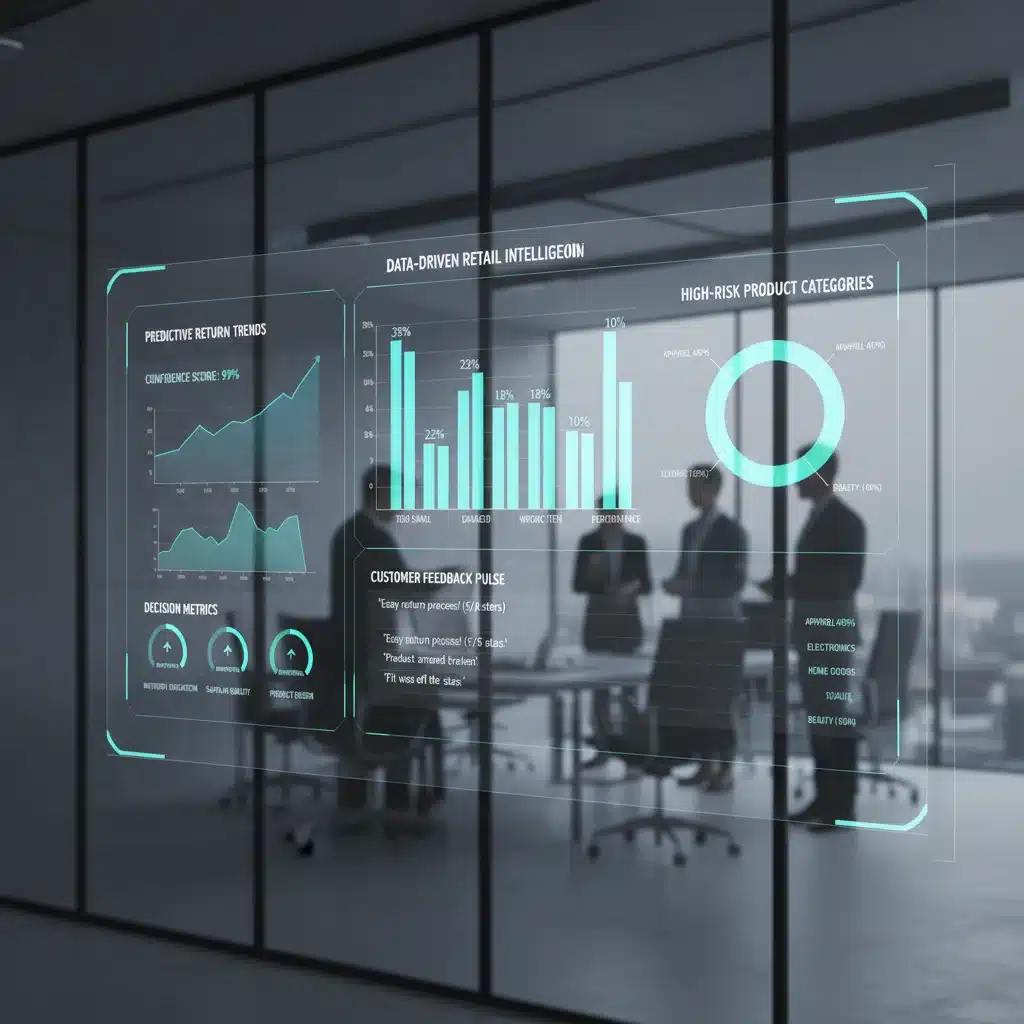
Leveraging Data and AI for Predictive Returns Management
Data is the new oil, and in retail returns management, it’s the engine driving significant improvements. AI and machine learning will move beyond reactive analysis to proactive prediction and optimization.
Predictive Analytics for Return Risk
AI algorithms will analyze vast datasets to identify patterns and predict which products or customer segments are most likely to generate returns. Factors considered will include:
- Product Attributes: Historical return rates for specific sizes, colors, materials, or brands.
- Customer Behavior: Past return history, browsing patterns, purchase frequency, and engagement with product information.
- External Factors: Seasonal trends, economic conditions, and even social media sentiment.
With this predictive power, retailers can take pre-emptive actions, such as offering personalized product recommendations, providing extra sizing guidance, or even adjusting inventory levels for high-risk items.
Root Cause Analysis and Continuous Improvement
Understanding *why* products are returned is paramount. Advanced analytics dashboards will provide granular insights into return reasons, allowing retailers to pinpoint systemic issues:
- Product Quality Issues: Identifying manufacturing defects or inconsistencies.
- Inaccurate Descriptions: Highlighting discrepancies between product information and actual item.
- Sizing/Fit Problems: Revealing patterns in size-related returns across specific brands or categories.
- Shipping Damage: Pinpointing issues in packaging or logistics.
By continuously analyzing return data, retailers can iterate on product design, improve supplier quality, refine product descriptions, and optimize fulfillment processes, leading to a sustained reduction in return rates.
The Role of Sustainability in Returns Management
As consumer awareness of environmental impact grows, sustainable practices in retail returns management will become non-negotiable. Reducing waste, prolonging product lifecycles, and minimizing carbon footprint will be central to operations in 2026.
Refurbishment and Resale Programs
Instead of discarding returned items, retailers will increasingly implement robust refurbishment and resale programs. This includes:
- Certified Pre-Owned: For electronics or higher-value items, professional refurbishment centers will restore products to like-new condition for resale, often at a discount.
- Secondary Marketplaces: Partnering with or creating internal platforms for selling open-box or gently used items, tapping into a growing market for sustainable consumption.
- Donation and Recycling: For items that cannot be resold, establishing clear pathways for donation to charities or responsible recycling, minimizing landfill waste.
Optimized Packaging and Logistics
Sustainable returns also mean rethinking packaging and transportation. Retailers will focus on:
- Reusable Packaging: Exploring innovative packaging solutions that can be easily reused for returns, reducing single-use waste.
- Consolidated Returns: Optimizing logistics routes to consolidate returned items, reducing fuel consumption and emissions.
Emerging Technologies Shaping Returns Management in 2026
Beyond current innovations, several emerging technologies are poised to revolutionize retail returns management even further.
Blockchain for Authenticity and Traceability
Blockchain technology offers an immutable ledger for product information, from manufacturing to sale and return. This can:
- Verify Authenticity: Prevent fraudulent returns of counterfeit goods.
- Track Product Lifecycle: Provide a transparent history of each item, aiding in quality control and refurbishment decisions.
Robotics and Automation in Fulfillment Centers
The handling of returned goods can be labor-intensive. Robotics and automation will streamline processes within fulfillment centers, from automated sorting and inspection to restocking and repackaging, improving speed and accuracy.
Customer Service Powered by AI and Chatbots
While self-service portals handle most returns, complex issues still require human interaction. AI-powered chatbots and virtual assistants will provide instant support for return queries, guiding customers through the process and escalating to human agents only when necessary. This ensures efficient and consistent customer service.
The Human Element: Training and Customer Education
Technology, however advanced, is only one part of the equation. The human element remains crucial for effective retail returns management.
Empowering Front-Line Staff
Store associates and customer service representatives are often the first point of contact for returns. Equipping them with comprehensive training, clear policies, and the tools to resolve issues efficiently is vital. Empowered staff can turn a potentially negative return experience into a positive brand interaction.
Educating Customers on Sustainable Choices
Retailers can subtly influence customer behavior by educating them on the environmental and economic impact of returns. This isn’t about shaming but about fostering a shared responsibility. Clear messaging around product sustainability, accurate sizing, and the importance of informed purchasing decisions can encourage more thoughtful consumption.
Measuring Success: Key Performance Indicators for Returns Management
To achieve the ambitious goal of a 20% reduction in return rates, retailers must establish clear KPIs and continuously monitor their performance. Key metrics will include:
- Overall Return Rate: The percentage of sales returned.
- Return Rate by Category/Product: Identifying problematic product lines.
- Return Rate by Reason: Understanding the root causes (e.g., ‘too small,’ ‘damaged,’ ‘not as described’).
- Cost of Returns: Total expenses associated with processing returns, including shipping, labor, and depreciation.
- Refund Processing Time: The speed at which customers receive their refunds.
- Customer Satisfaction (CSAT) for Returns: Surveying customers about their returns experience.
- Recycling/Resale Rate: The percentage of returned items that are diverted from landfill.
Regular analysis of these metrics will allow retailers to identify areas for improvement, track the effectiveness of new initiatives, and make data-driven adjustments to their retail returns management strategies.
Conclusion: A Future of Smart, Sustainable Returns
The year 2026 will mark a significant evolution in retail returns management. US retailers are poised to move beyond traditional, reactive approaches to embrace a proactive, data-driven, and customer-centric model. By strategically leveraging advanced technologies like AI, AR, and robust reverse logistics, coupled with a strong focus on sustainability and customer experience, they can not only achieve the ambitious goal of reducing return rates by 20% but also transform returns into a powerful lever for brand loyalty and profitability. The future of retail success lies in intelligently managing every touchpoint, including the crucial moment when a product makes its way back home.