Recent Updates: The Evolution of Consumer Loyalty Programs – What’s New for U.S. Shoppers in the Past 3 Months
Anúncios
In the dynamic landscape of U.S. retail, consumer loyalty programs are no longer just an add-on; they are a cornerstone of customer retention and brand differentiation. Over the past three months, we’ve witnessed significant shifts and innovations in how brands approach these programs, driven by evolving consumer expectations, technological advancements, and a competitive market. This comprehensive article delves into the recent updates, trends, and what these changes mean for the average U.S. shopper. Understanding these developments is crucial for both consumers looking to maximize their benefits and businesses striving to cultivate lasting relationships with their clientele.
The Shifting Sands of Consumer Loyalty Programs: A Recent Overview
The concept of consumer loyalty programs has deep roots, tracing back to the 18th century with copper tokens given to customers. Fast forward to today, and these programs have transformed into sophisticated ecosystems designed to reward, engage, and understand customer behavior. The last quarter has been particularly active, with several major players revamping their offerings and new strategies emerging to capture consumer attention.
One of the most noticeable trends is the move towards hyper-personalization. Generic discounts are out, and tailored rewards based on individual purchasing habits, preferences, and even browsing history are in. This isn’t just about making customers feel special; it’s about making rewards genuinely valuable and relevant, thereby increasing their perceived worth and encouraging continued engagement. For instance, a coffee chain might offer a free pastry to a customer who frequently buys espresso, rather than a blanket discount on all drinks. This targeted approach is proving to be far more effective in driving repeat business.
Anúncios
The Rise of Experiential Rewards
Beyond monetary discounts, an increasing number of consumer loyalty programs are focusing on experiential rewards. These can range from exclusive access to events, early product releases, personalized styling sessions, or even donations to a charity of the customer’s choice. This shift acknowledges that modern consumers often value experiences and unique opportunities as much, if not more, than simple price reductions. Brands are recognizing that fostering an emotional connection goes beyond transactional benefits. For example, a sports brand might offer loyalty members exclusive access to athlete meet-and-greets or VIP tickets to games, creating unforgettable memories that solidify brand allegiance.
Integration with Digital Wallets and Mobile Apps
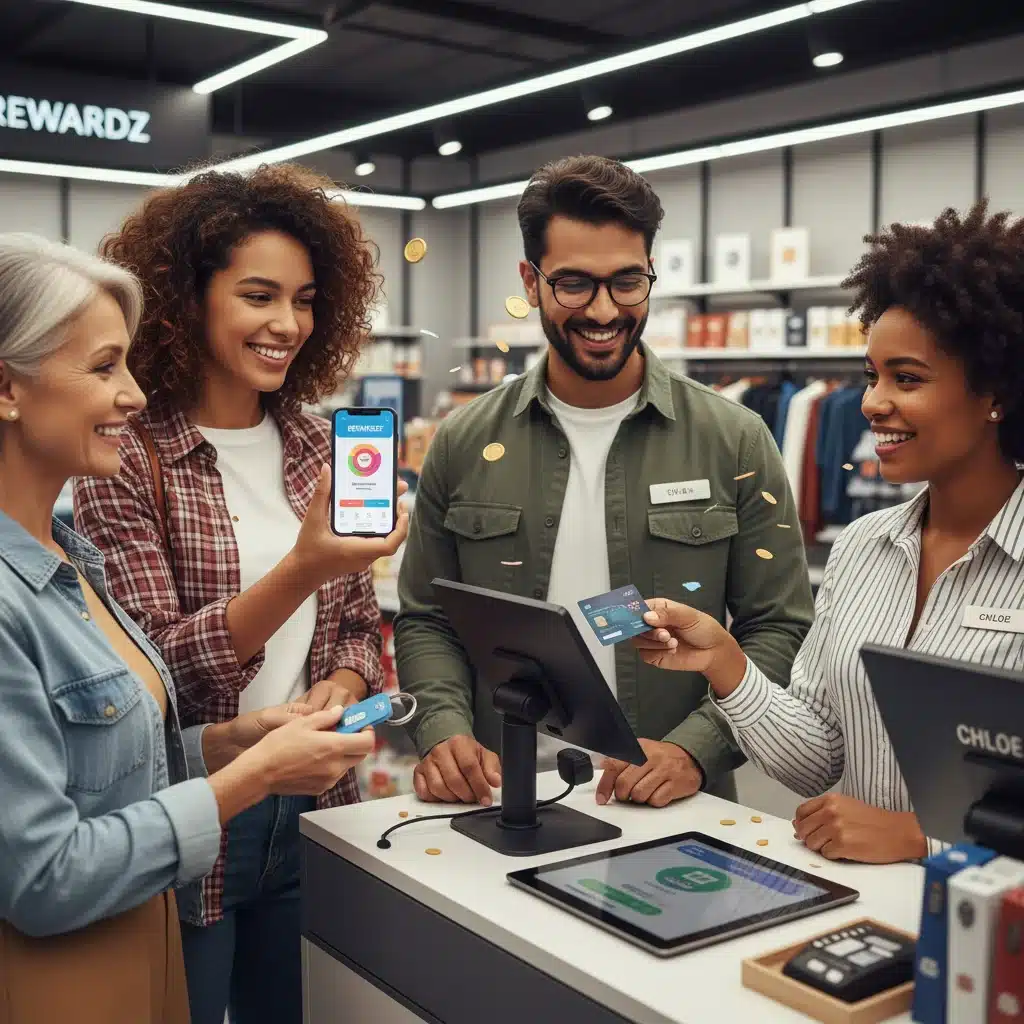
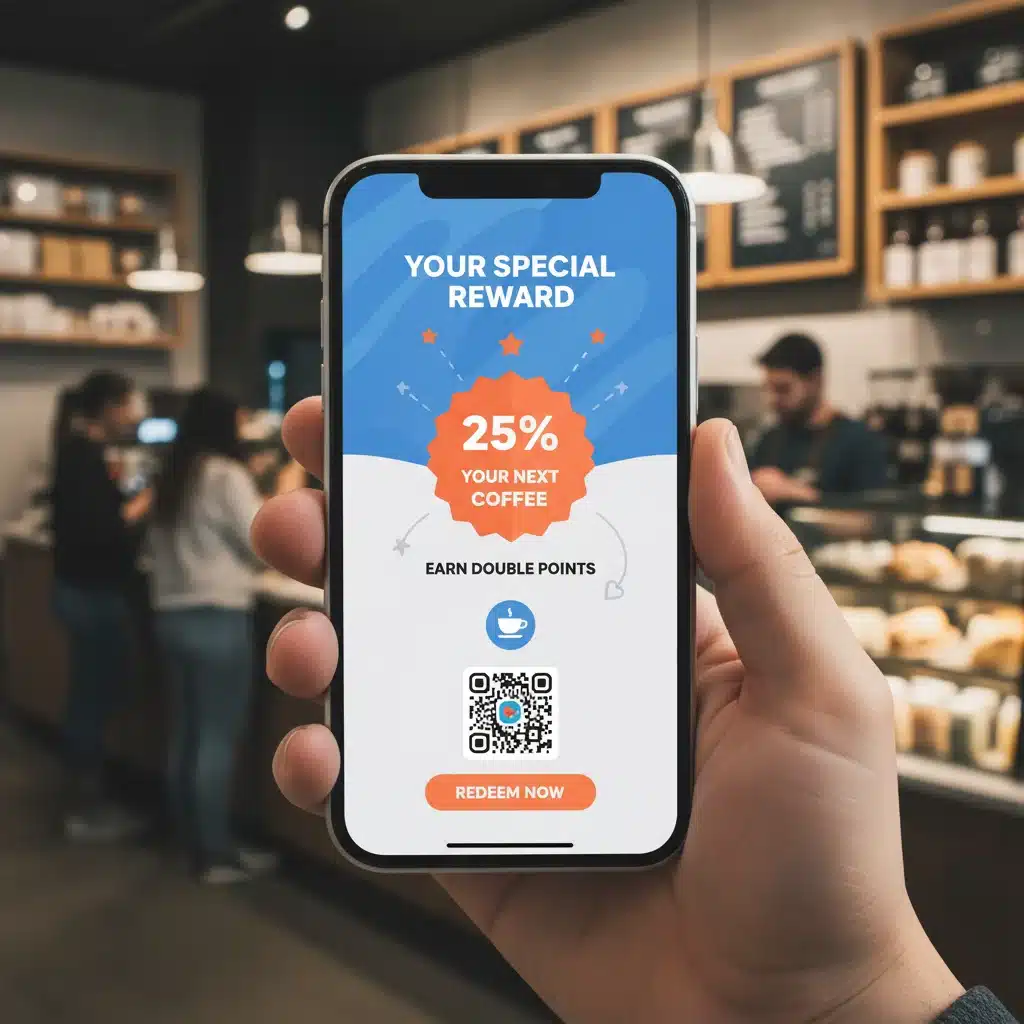
The ubiquity of smartphones has made mobile integration a non-negotiable for effective consumer loyalty programs. Over the past three months, we’ve seen an acceleration in the development and enhancement of dedicated loyalty apps and seamless integration with digital wallets like Apple Pay and Google Pay. This not only streamlines the redemption process but also allows for real-time notifications, personalized offers based on location, and a more interactive user experience. The convenience factor is paramount; customers expect to access their points, rewards, and offers with just a few taps on their phone, eliminating the need for physical cards.
Anúncios
Key Innovations in U.S. Consumer Loyalty Programs (Last 3 Months)
The recent quarter has been a hotbed of innovation. Here are some of the most impactful changes and emerging strategies:
Subscription-Based Loyalty Models
While not entirely new, the subscription-based loyalty model has gained significant traction. Think Amazon Prime, but applied to various retail sectors. For an annual or monthly fee, customers gain access to a suite of benefits, often including free shipping, exclusive discounts, early access to sales, and premium customer service. This model creates a strong incentive for recurring purchases and fosters a sense of exclusivity. Recent examples include fashion retailers offering paid memberships for unlimited express shipping and curated styling services, or grocery chains providing discounts on every purchase for a flat monthly fee. This model guarantees a consistent revenue stream for businesses while offering tangible value to highly engaged customers.
Gamification and Interactive Engagement
To combat loyalty fatigue and make programs more engaging, brands are increasingly incorporating gamification elements. This involves turning the loyalty journey into a game, with challenges, badges, leaderboards, and surprise rewards. For example, a beauty retailer might offer bonus points for trying a new product line or completing a profile survey. These interactive elements not only make the program more fun but also encourage deeper engagement and data collection, which can then be used for further personalization. The psychological appeal of achieving milestones and earning recognition is a powerful motivator for consumers.
Partnerships and Coalition Loyalty Programs
Collaboration is key in today’s competitive market. We’ve observed a surge in coalition loyalty programs where multiple non-competing brands team up to offer a shared loyalty currency or combined benefits. This allows consumers to earn and redeem points across a wider ecosystem of retailers, increasing the perceived value and utility of their loyalty participation. For example, a partnership between an airline, a hotel chain, and a car rental company allows travelers to accumulate points faster and redeem them more flexibly. This strategy broadens the appeal of individual loyalty programs and provides a more holistic reward experience for the customer.
Leveraging AI and Machine Learning for Predictive Personalization
The ability to predict customer needs and preferences before they even articulate them is the holy grail of personalization. Advanced consumer loyalty programs are now heavily leveraging Artificial Intelligence (AI) and Machine Learning (ML) to analyze vast amounts of data. This allows brands to anticipate future purchasing behavior, recommend relevant products, and proactively deliver highly targeted offers. For instance, an AI-powered system might identify a customer who regularly purchases pet food and send them a timely coupon for their specific brand of choice just before they run out. This level of predictive personalization significantly enhances the customer experience and boosts conversion rates.
What These Changes Mean for U.S. Shoppers
For the average U.S. shopper, these updates translate into both opportunities and challenges.
Increased Value and Relevance
The move towards personalization and experiential rewards means that loyalty programs are becoming more valuable and relevant than ever before. Consumers can expect to receive offers and benefits that genuinely align with their interests and spending habits, leading to greater savings and more enjoyable experiences. This is a significant improvement from the days of generic, often unused, discount coupons.
Enhanced Convenience and Accessibility
With mobile integration and digital wallets becoming standard, managing loyalty points and redeeming rewards is more convenient than ever. Shoppers can easily track their progress, access offers, and make purchases without the hassle of physical cards or remembering multiple login details. This streamlined experience encourages more frequent engagement and makes participation effortless.
The Need for Strategic Participation
While the benefits are growing, the sheer number of loyalty programs can be overwhelming. Shoppers need to be more strategic about which programs they join and actively engage with. Focusing on brands they frequently use and programs that offer truly valuable rewards will yield the best results. It’s no longer about signing up for every program, but rather curating a select few that offer tangible advantages.
Data Privacy Concerns
The flip side of hyper-personalization is the increased collection and analysis of personal data. Consumers should be mindful of the data they are sharing and understand the privacy policies of the loyalty programs they join. While data is used to enhance the customer experience, transparency about its usage is crucial. Brands that prioritize data privacy and offer clear explanations will build greater trust with their customer base.
The Future Outlook for Consumer Loyalty Programs
Looking ahead, the evolution of consumer loyalty programs is expected to continue at a rapid pace. Here are some projections for the coming months and years:
Hyper-Personalization at Scale
The trend towards personalization will only intensify, driven by more sophisticated AI and machine learning algorithms. Expect to see loyalty programs that anticipate needs even more accurately, offering truly bespoke experiences that feel intuitively designed for each individual customer. This will move beyond just product recommendations to include personalized content, services, and even communication styles.
Integration with the Metaverse and Web3 Technologies
As the metaverse gains traction, brands will explore how loyalty programs can extend into virtual worlds. This could involve earning and redeeming loyalty tokens as NFTs, participating in exclusive virtual events, or even owning digital assets tied to physical purchases. Web3 technologies, including blockchain, could also enhance transparency and security in loyalty programs, offering new ways to track and reward customer engagement.
Sustainability and Social Impact Integration
Increasingly, consumers are making purchasing decisions based on a brand’s commitment to sustainability and social responsibility. Future consumer loyalty programs will likely integrate these values, allowing customers to earn points for eco-friendly choices, donate rewards to charitable causes, or gain access to products from ethical supply chains. Brands that align their loyalty programs with these broader societal values will resonate more deeply with conscious consumers.
Seamless Omnichannel Experiences
The distinction between online and offline shopping continues to blur. Loyalty programs will need to offer truly seamless omnichannel experiences, allowing customers to earn and redeem rewards effortlessly whether they are shopping in-store, online, or through a mobile app. This means consistent experiences and synchronized data across all touchpoints, ensuring that a customer’s loyalty journey is cohesive and convenient, regardless of how they choose to interact with the brand.
Maximizing Your Loyalty Program Benefits: Tips for U.S. Shoppers
Given the evolving landscape, here are some practical tips for U.S. shoppers to make the most of consumer loyalty programs:
- Prioritize and Consolidate: Focus on a few programs from brands you frequently patronize. Trying to manage too many programs can dilute their value and lead to missed opportunities. Consider using apps or tools that help you manage multiple loyalty cards in one place.
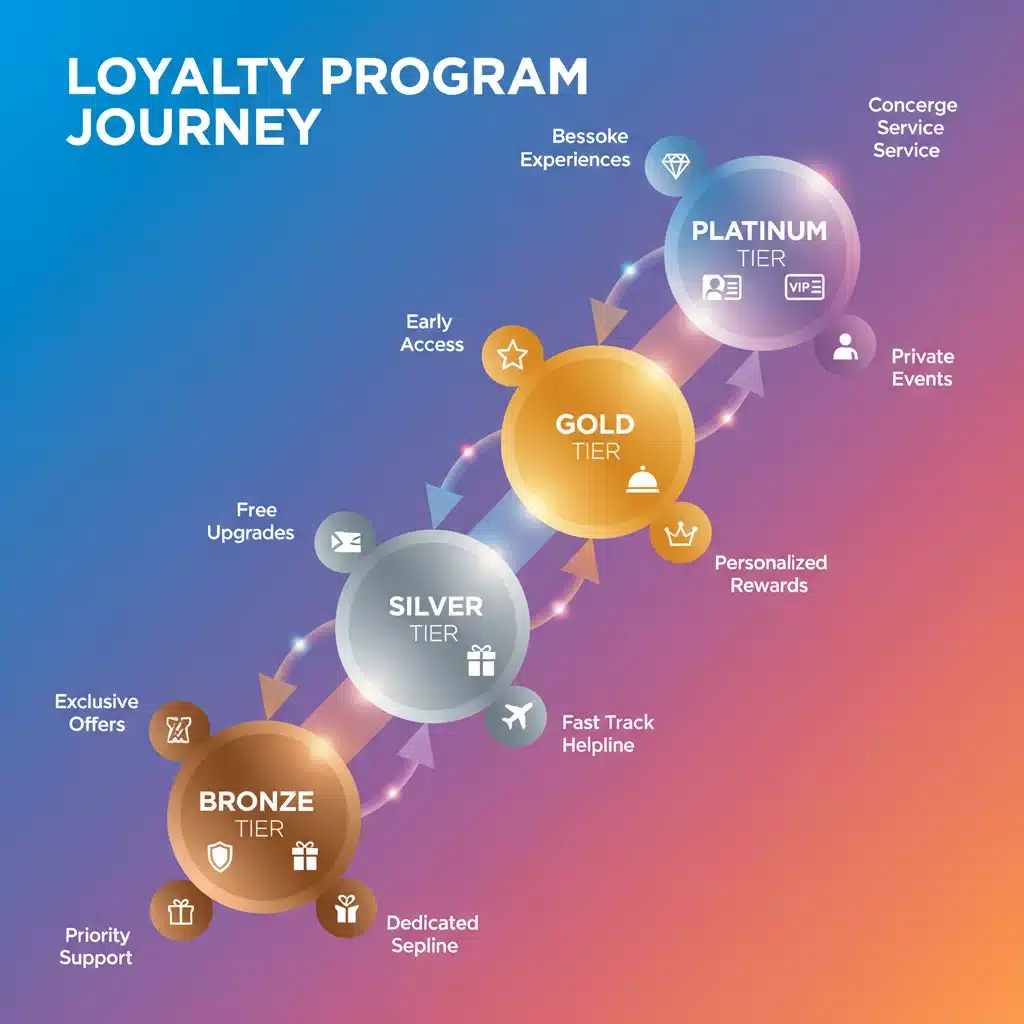
- Understand the Tiers and Benefits: Many programs have tiered structures. Understand what it takes to reach higher tiers and the exclusive benefits they offer. Sometimes, a slight increase in spending can unlock significantly better rewards.
- Read the Fine Print: Always be aware of expiration dates for points and rewards, as well as any terms and conditions that might apply. This prevents disappointment and ensures you can utilize your benefits effectively.
- Engage Actively: Don’t just sign up and forget. Actively engage with the program through their app, email newsletters, and any gamified elements. This often leads to bonus points, exclusive offers, and a more personalized experience.
- Provide Feedback: If a program isn’t meeting your expectations or you have suggestions, provide feedback to the brand. Many companies are genuinely interested in improving their loyalty offerings based on customer input.
- Leverage Partnerships: Look for coalition programs or partnerships that allow you to earn and redeem points across different brands. This can significantly accelerate your reward accumulation.
- Review Your Data Privacy Settings: Regularly check the privacy settings within loyalty apps and websites. Understand what data is being collected and how it’s being used, and adjust your preferences as needed.
Conclusion: The Future is Personalized and Experiential
The past three months have underscored a clear direction for consumer loyalty programs in the U.S.: they are becoming more personalized, more experiential, and more integrated into our digital lives. Brands are moving beyond simple points systems to create comprehensive ecosystems that foster genuine engagement and emotional connection with their customers. For shoppers, this means a richer, more rewarding experience, provided they are strategic in their participation.
As we look forward, the convergence of AI, mobile technology, and a renewed focus on customer-centricity will continue to shape the evolution of these programs. The brands that succeed will be those that not only offer compelling rewards but also understand and anticipate the evolving needs of their most loyal customers, building relationships that extend far beyond the transactional. Staying informed about these changes will empower both businesses and consumers to navigate this exciting landscape effectively and maximize the mutual benefits of loyalty.