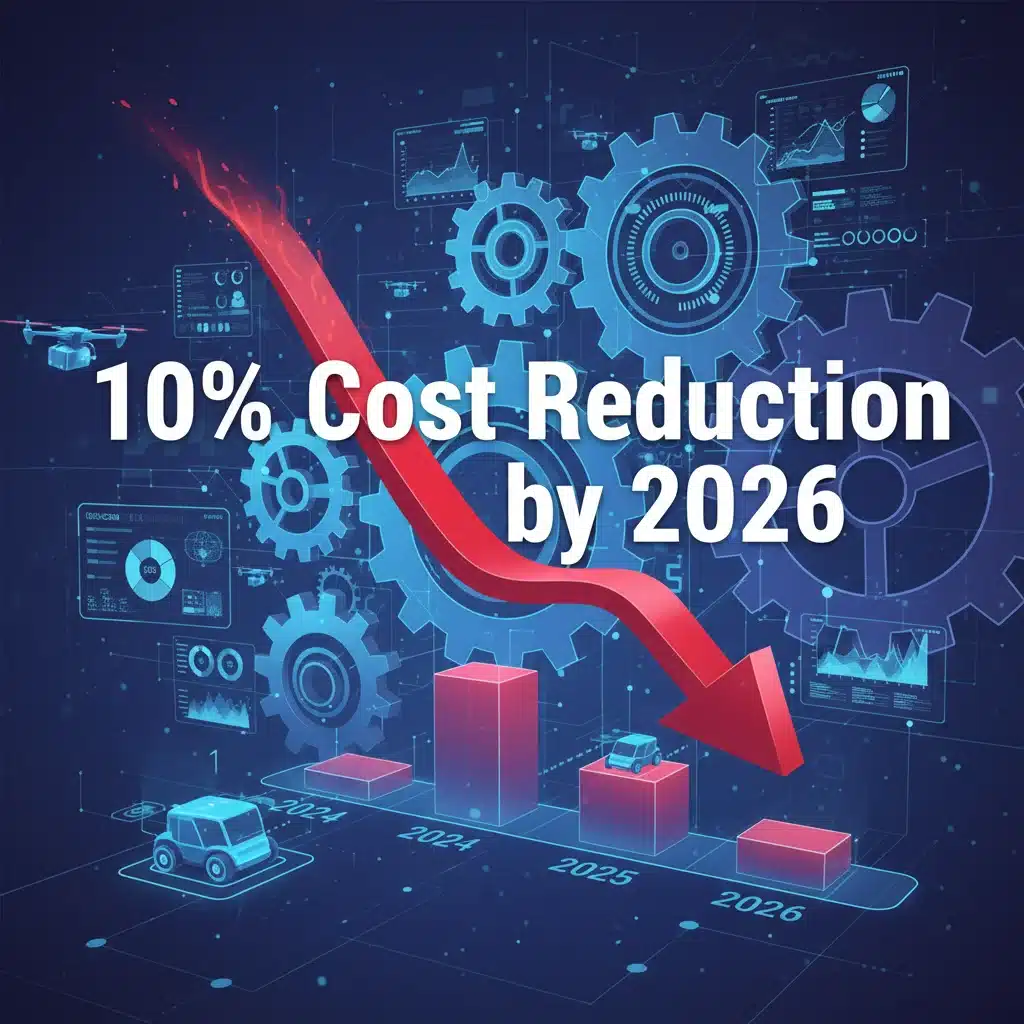
The global retail landscape is on the cusp of a profound transformation, driven by an unprecedented wave of innovation across supply chains. For years, consumers have grappled with fluctuating prices, often impacted by inefficiencies, unforeseen disruptions, and outdated logistical frameworks. However, a new era is dawning, promising a significant shift towards greater affordability. Our analysis indicates that by 2026, consumers can realistically expect to see a 10% reduction in retail prices, directly attributable to advanced supply chain cost reduction strategies and technological breakthroughs. This isn’t merely an optimistic projection; it’s a meticulously calculated forecast based on current trends, projected technological adoption rates, and strategic investments being made across industries.
The journey to achieving this 10% reduction is multifaceted, involving a complex interplay of artificial intelligence, automation, enhanced data analytics, and a fundamental rethinking of traditional logistical models. Businesses are increasingly recognizing that the supply chain is not just a cost center but a strategic asset capable of delivering substantial competitive advantages and, crucially, significant savings that can be passed on to the consumer. This article will delve deep into the mechanisms driving this transformation, exploring the key innovations, their implementation challenges, and the tangible benefits they are set to deliver.
The Imperative for Supply Chain Cost Reduction
In a hyper-competitive global market, every cent counts. Businesses are under immense pressure to optimize operations, enhance efficiency, and ultimately, deliver more value to their customers. The supply chain, often the largest component of operational expenditure, represents a fertile ground for achieving these objectives. Traditional supply chains, characterized by manual processes, limited visibility, and reactive decision-making, are inherently inefficient. These inefficiencies translate directly into higher operational costs, which are inevitably factored into the final retail price. Therefore, a concerted effort towards supply chain cost reduction is not just a desirable goal; it’s an economic imperative for survival and growth.
The COVID-19 pandemic served as a stark reminder of the fragility of global supply chains, exposing vulnerabilities and accelerating the need for resilient and agile systems. Companies that had already begun investing in digital transformation were better equipped to weather the storm, demonstrating the critical importance of proactive innovation. Now, as the world stabilizes, the focus has shifted from mere resilience to strategic optimization, aiming not only to prevent future disruptions but also to systematically drive down costs. This proactive approach is the bedrock upon which the projected 10% retail price reduction will be built.
Anúncios
Key Drivers of Cost Reduction
Several pivotal factors are converging to enable this significant reduction:
- Digital Transformation: The overarching theme, encompassing the integration of various digital technologies.
- Automation and Robotics: Reducing labor costs and increasing efficiency in warehouses and logistics.
- Artificial Intelligence (AI) and Machine Learning (ML): Optimizing forecasting, inventory management, and route planning.
- Blockchain Technology: Enhancing transparency, traceability, and security, reducing fraud and administrative overheads.
- Internet of Things (IoT): Providing real-time data on asset location, condition, and environmental factors.
- Sustainable Practices: While often seen as an upfront investment, sustainable logistics can lead to long-term cost savings through reduced energy consumption and waste.
- Nearshoring and Reshoring: Reducing transportation costs and lead times, mitigating geopolitical risks.
Each of these drivers contributes to a more streamlined, efficient, and ultimately, less expensive supply chain. The cumulative effect of these innovations is what makes the 10% retail price reduction by 2026 a plausible and achievable target.
Automation and Robotics: Revolutionizing Logistics
One of the most visible and impactful areas of innovation is the widespread adoption of automation and robotics within warehouses, distribution centers, and even last-mile delivery. Automated Guided Vehicles (AGVs) and Autonomous Mobile Robots (AMRs) are transforming inventory management, order picking, and sorting processes. These robots can operate 24/7, with greater precision and speed than human counterparts, significantly reducing labor costs and minimizing errors.
Consider the traditional warehouse environment: a labor-intensive operation prone to human error, fatigue, and safety concerns. By contrast, a robotic warehouse can process orders at an astonishing pace, optimize storage space utilization, and drastically cut down on operational expenses. This direct reduction in operational overheads forms a substantial part of the anticipated supply chain cost reduction. Moreover, the increased efficiency means faster processing times, leading to quicker delivery and improved customer satisfaction, which indirectly contributes to business growth and scale economies.
Impact on Labor and Productivity
While the initial investment in automation can be substantial, the long-term returns are undeniable. Companies are reporting significant increases in throughput and accuracy, allowing them to handle higher volumes with fewer resources. This doesn’t necessarily mean a complete replacement of human labor but rather a reallocation of human talent to more strategic, oversight, and maintenance roles. The synergy between human intelligence and robotic efficiency creates a powerful force for productivity gains, which directly translates into lower per-unit costs.
Furthermore, advancements in robotic technology are making these solutions more accessible and affordable for a wider range of businesses, from large enterprises to small and medium-sized businesses (SMBs). The democratization of automation will accelerate its adoption, amplifying the overall impact on retail prices across various sectors.
Anúncios
Artificial Intelligence and Machine Learning: The Brains of the Operation
Beyond physical automation, the intellectual engine driving modern supply chain optimization is Artificial Intelligence (AI) and Machine Learning (ML). These technologies are revolutionizing demand forecasting, inventory management, and logistics planning. Traditional forecasting methods often rely on historical data and can struggle with sudden market shifts or unforeseen events. AI, however, can analyze vast datasets, identify complex patterns, and make highly accurate predictions, even in dynamic environments.
For instance, ML algorithms can predict consumer demand with unprecedented accuracy by analyzing factors such as seasonality, promotional activities, social media trends, and even weather patterns. This predictive power allows businesses to optimize inventory levels, reducing the costs associated with overstocking (storage, obsolescence) and understocking (lost sales, expedited shipping). The ability to maintain optimal inventory levels is a cornerstone of effective supply chain cost reduction.
Optimizing Logistics and Route Planning
AI-powered systems are also transforming logistics and transportation. Algorithms can analyze real-time traffic data, weather conditions, and delivery schedules to optimize routes, minimize fuel consumption, and reduce delivery times. This not only lowers transportation costs but also improves the environmental footprint of logistics operations. Dynamic routing, predictive maintenance for vehicles, and optimized load planning are all areas where AI is delivering tangible savings.
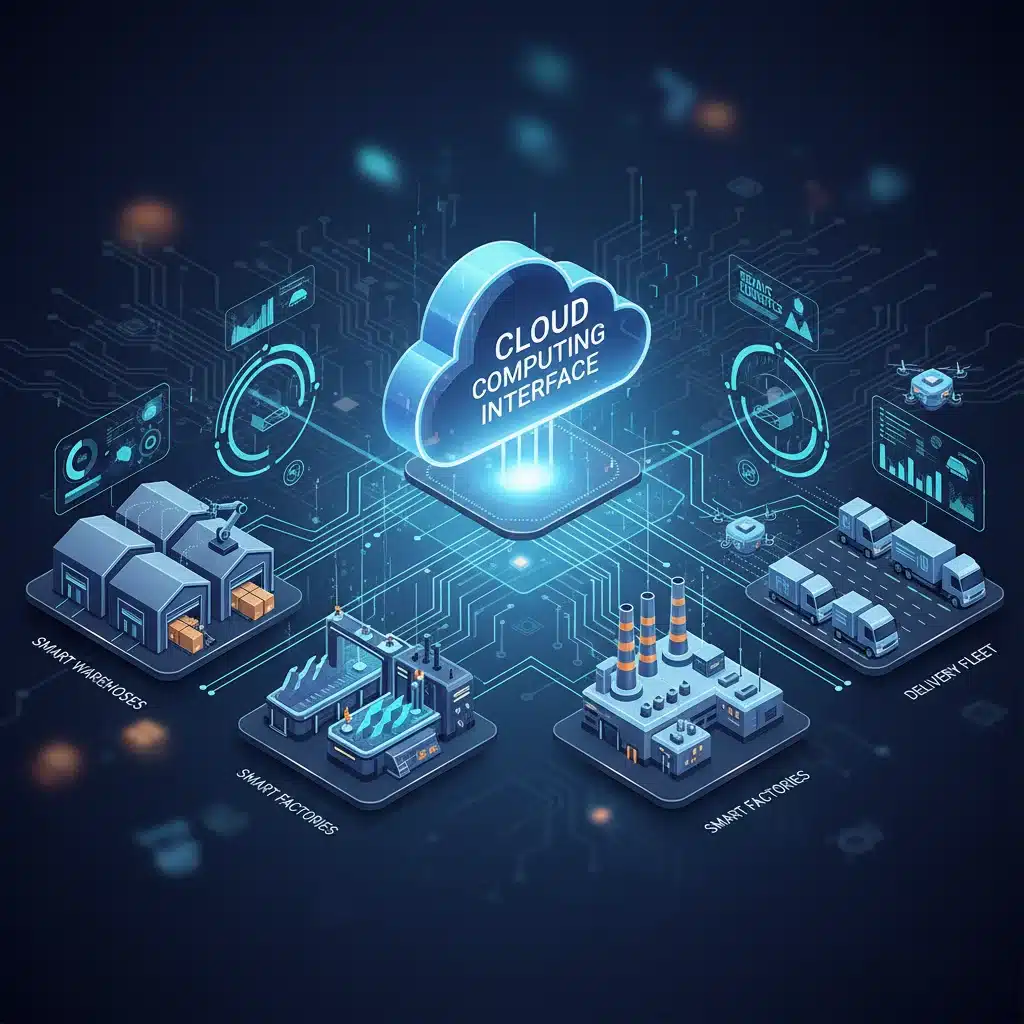
Moreover, AI can identify potential bottlenecks and disruptions before they occur, allowing supply chain managers to take proactive measures. For example, by analyzing global shipping data and geopolitical indicators, an AI system might flag a potential port congestion or a supplier risk, enabling the company to reroute shipments or source materials from alternative suppliers, thereby avoiding costly delays and ensuring continuity of supply. This proactive risk management is invaluable for maintaining efficiency and controlling costs.
Blockchain and IoT: Enhancing Transparency and Traceability
The Internet of Things (IoT) and blockchain technology are playing complementary roles in enhancing visibility and trust within the supply chain. IoT devices, such as sensors embedded in products, containers, and vehicles, provide real-time data on location, temperature, humidity, and other critical parameters. This granular level of information allows businesses to monitor their goods throughout the entire journey, ensuring quality control and preventing losses due to spoilage or theft.
For example, in the cold chain logistics of perishable goods, IoT sensors can continuously monitor temperature, alerting stakeholders if conditions deviate from the required range. This prevents spoilage, reduces waste, and ensures product integrity, leading to significant cost savings. The data collected by IoT devices can also be fed into AI systems for further analysis and optimization.
Blockchain for Immutable Records
Blockchain technology, on the other hand, provides an immutable and transparent ledger for all transactions and events within the supply chain. Each step of a product’s journey, from raw material sourcing to final delivery, can be recorded on the blockchain, creating an unalterable audit trail. This transparency helps in verifying the authenticity of products, reducing counterfeiting, and streamlining regulatory compliance.
Crucially, blockchain eliminates the need for intermediaries in many transactions, reducing administrative costs and speeding up payment processes. The enhanced trust and reduced fraud potential also contribute to overall supply chain cost reduction. For consumers, this means greater assurance about the origin and quality of the products they purchase, potentially justifying premium pricing for ethically sourced or verified goods, while the underlying efficiencies drive down base costs.
Sustainable Practices: Long-Term Savings and Brand Value
Sustainability is no longer just a corporate social responsibility initiative; it’s a strategic pathway to long-term supply chain cost reduction. While some sustainable practices might involve upfront investments, they often lead to significant savings in the long run. For example, optimizing delivery routes to reduce fuel consumption not only lowers operational costs but also decreases carbon emissions. Investing in energy-efficient warehouses and renewable energy sources can drastically cut utility bills.
Furthermore, adopting circular economy principles, such as reducing waste, reusing materials, and recycling products, minimizes raw material costs and disposal fees. Companies are increasingly exploring reverse logistics to recover value from returned or end-of-life products, transforming waste into resources.
Consumer Demand and Brand Loyalty
Beyond direct cost savings, sustainable supply chain practices enhance brand reputation and attract environmentally conscious consumers. A strong commitment to sustainability can foster greater brand loyalty and command a premium, even as underlying costs are driven down. This dual benefit – cost reduction and enhanced brand value – makes sustainability a powerful lever for competitive advantage in the retail sector.
Governments and regulatory bodies are also increasingly mandating sustainable practices, making it imperative for businesses to adapt. Proactive adoption of these practices can help companies avoid future penalties and capitalize on emerging green market opportunities.
Nearshoring and Reshoring: Shortening the Supply Chain
The recent global disruptions have highlighted the risks associated with highly extended global supply chains. As a result, there’s a growing trend towards nearshoring (moving production closer to consumption markets) and reshoring (bringing production back to the home country). While these strategies might sometimes involve higher labor costs in developed nations, they offer significant advantages that contribute to overall supply chain cost reduction.
Key benefits include:
- Reduced Transportation Costs: Shorter distances mean lower fuel costs and less complex logistics.
- Faster Lead Times: Quicker delivery to market, allowing for greater responsiveness to consumer demand and reduced need for large buffer inventories.
- Enhanced Supply Chain Resilience: Less exposure to geopolitical risks, natural disasters, and international trade disputes.
- Improved Quality Control: Closer proximity to manufacturing allows for better oversight and quicker resolution of quality issues.
- Lower Inventory Costs: Reduced lead times mean companies can operate with leaner inventories, freeing up capital and reducing storage expenses.
The strategic shift towards regionalized supply chains is a direct response to the lessons learned from recent crises. By reducing the complexity and length of supply chains, companies can achieve greater control, agility, and ultimately, significant cost efficiencies that can be passed on to consumers.
The Role of Data Analytics and Predictive Insights
At the heart of all these innovations lies data. The ability to collect, analyze, and derive actionable insights from vast amounts of data is paramount for achieving substantial supply chain cost reduction. Modern supply chains generate enormous volumes of data from various sources: IoT sensors, transaction records, customer feedback, market trends, and even social media. Leveraging this data effectively is the key to unlocking hidden efficiencies.
Advanced data analytics platforms, often powered by AI and ML, can identify inefficiencies, predict future trends, and recommend optimal strategies. For example, by analyzing sales data and customer demographics, businesses can optimize product assortment and pricing strategies. By monitoring supplier performance data, they can identify reliable partners and negotiate better terms. Predictive maintenance for equipment and vehicles, based on operational data, can prevent costly breakdowns and extend asset lifespans.
Real-time Visibility and Decision Making
The goal is to move from reactive to proactive decision-making. Real-time dashboards and reporting tools provide supply chain managers with a comprehensive overview of operations, allowing them to identify and address issues as they arise, rather than after they have caused significant disruption. This enhanced visibility is crucial for making informed decisions that drive efficiency and cost savings across the entire supply chain.
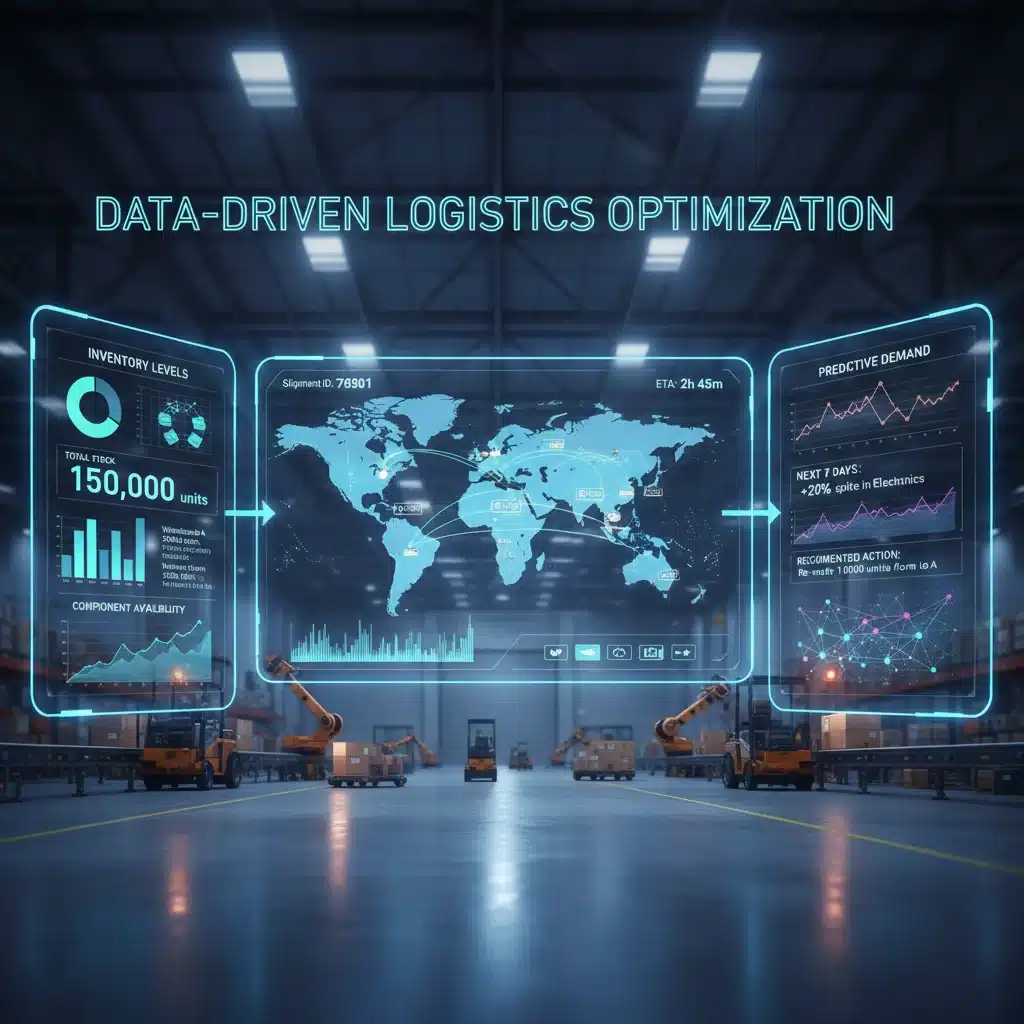
The integration of data from various silos – procurement, manufacturing, logistics, sales, and customer service – creates a holistic view of the supply chain. This integrated data ecosystem empowers businesses to optimize every touchpoint, leading to a synergistic effect on cost reduction. The more data that is collected and intelligently analyzed, the greater the potential for identifying and eliminating inefficiencies.
Challenges and Considerations
While the prospect of a 10% retail price reduction is exciting, it’s important to acknowledge that the path to achieving it is not without challenges. Implementing these advanced technologies and transforming existing supply chain models requires significant investment, strategic planning, and a skilled workforce. Cybersecurity risks, data privacy concerns, and the need for interoperability between different systems are also critical considerations.
Companies must also navigate the complexities of change management, ensuring that employees are trained and empowered to work with new technologies. The cultural shift required to embrace data-driven decision-making and continuous innovation is as important as the technological advancements themselves. However, the potential rewards – both for businesses and consumers – far outweigh these challenges.
The Future of Retail: More Affordable and Efficient
The year 2026 is set to mark a significant milestone in the evolution of retail pricing, largely thanks to the relentless pursuit of supply chain cost reduction. The convergence of automation, AI, IoT, blockchain, and sustainable practices is creating a powerful synergy that will reshape how goods are produced, transported, and sold. Consumers will be the ultimate beneficiaries, enjoying more affordable products without compromising on quality or availability.
This transformation isn’t just about cutting costs; it’s about building more resilient, transparent, and efficient supply chains that can adapt to the ever-changing demands of the global market. The 10% retail price reduction forecast is a testament to the power of innovation and the strategic vision of businesses investing in the future of logistics. As these innovations mature and become more widely adopted, we can anticipate an even greater positive impact on consumer welfare and economic stability.
The journey towards a more affordable retail future is well underway. By understanding and embracing the innovations driving supply chain cost reduction, businesses can not only secure their competitive edge but also play a crucial role in delivering tangible economic benefits to consumers worldwide.