Brick-and-Mortar Reinvention: Driving Foot Traffic in 2026
Anúncios
The retail landscape is in a constant state of flux, a dynamic environment shaped by technological advancements, shifting consumer behaviors, and an ever-present need for innovation. For years, the narrative surrounding brick-and-mortar stores often hinted at their impending demise, overshadowed by the meteoric rise of e-commerce. However, a closer look at the current trends and future projections reveals a different story: a powerful brick-and-mortar reinvention is underway in the United States, poised to redefine the physical shopping experience and drive significant increases in foot traffic by 2026.
This isn’t about simply surviving; it’s about thriving. US retailers are not just adapting; they are innovating, transforming their physical spaces into experiential hubs, community centers, and integral components of an omnichannel ecosystem. The goal is clear: to leverage the inherent advantages of physical retail – sensory engagement, immediate gratification, and human connection – in ways that e-commerce simply cannot replicate. By 2026, experts predict a notable surge in foot traffic, potentially reaching a 10% increase, as stores successfully implement these forward-thinking strategies.
The core of this brick-and-mortar reinvention lies in understanding the modern consumer. Today’s shoppers seek more than just a transaction; they crave experiences, personalization, convenience, and a sense of belonging. Retailers who embrace these desires are the ones who will not only attract customers but also foster loyalty and advocacy. This comprehensive guide will delve into the multifaceted strategies driving this transformation, offering insights into how physical stores are securing their vital place in the future of retail.
Anúncios
The Shifting Sands of Consumer Expectations: Why Reinvention is Crucial
Before diving into the ‘how,’ it’s essential to understand the ‘why.’ Consumer expectations have evolved dramatically over the last decade. The convenience of online shopping has set a new benchmark, but it has also highlighted what’s missing from purely digital interactions. Shoppers now expect:
Anúncios
- Seamless Omnichannel Experience: The lines between online and offline are blurred. Customers expect to browse online, pick up in-store (BOPIS), return online purchases in-store, and receive consistent messaging across all touchpoints.
- Personalization: Generic experiences no longer cut it. Consumers want recommendations, offers, and interactions tailored to their individual preferences and past behaviors.
- Experiential Value: Shopping is increasingly viewed as a leisure activity. Stores need to offer more than just products; they need to offer engaging, memorable experiences.
- Instant Gratification: While online offers speed, physical stores provide immediate access to products, eliminating shipping waits.
- Authenticity and Community: Consumers, especially younger generations, are drawn to brands that stand for something, offer transparency, and foster a sense of community.
Failing to meet these evolving demands means stagnation. Successfully embracing them, however, paves the way for a powerful brick-and-mortar reinvention that can revitalize physical retail and ensure its continued relevance.
Technology as an Enabler: Enhancing the In-Store Experience
Technology is not the enemy of physical retail; it is its most powerful ally. Forward-thinking stores are integrating innovative technologies to elevate the customer journey, streamline operations, and gather valuable data. This strategic adoption is a cornerstone of the brick-and-mortar reinvention.
Interactive Digital Displays and Smart Mirrors
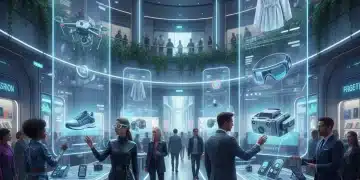
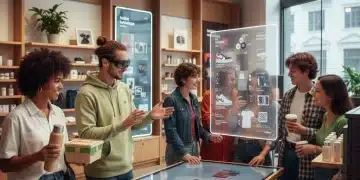
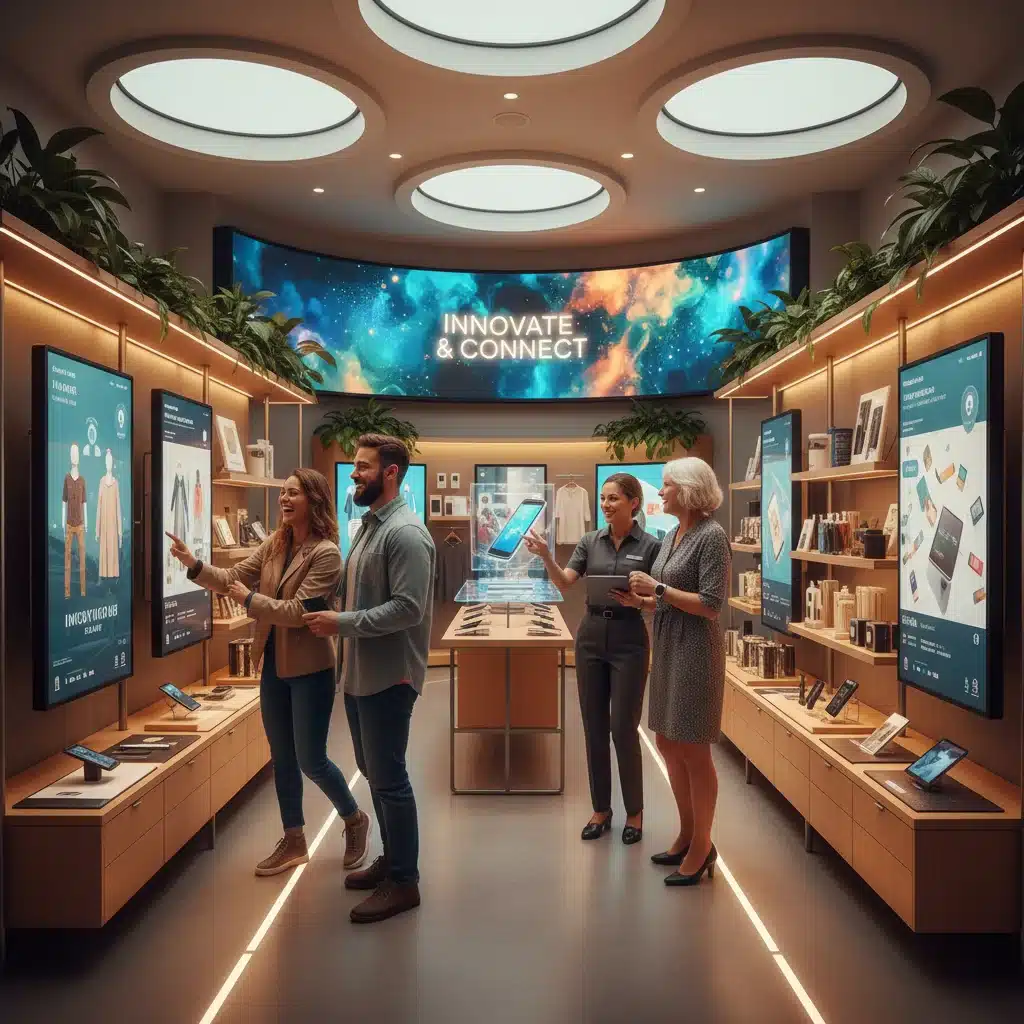
Gone are the days of static signage. Interactive digital displays offer dynamic content, product information, customer reviews, and even virtual try-ons. Smart mirrors, particularly in apparel retail, allow customers to see how clothes look without physically trying them on, suggest complementary items, and even request different sizes from staff, all with a tap or gesture. These technologies transform browsing into an engaging, personalized experience.
Augmented Reality (AR) and Virtual Reality (VR)
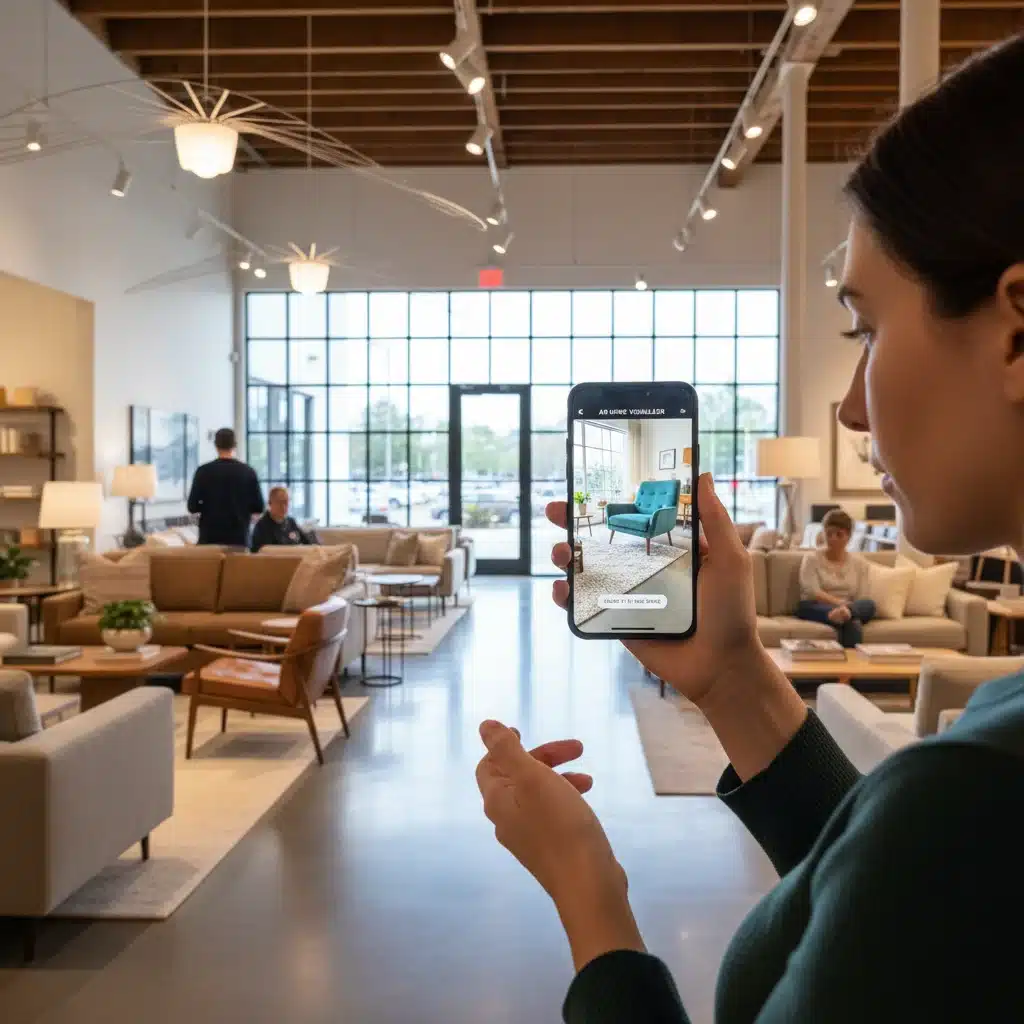
AR and VR are moving beyond novelty to become practical tools for enhancing the in-store experience. AR apps allow customers to visualize products in their own environments – imagine seeing how a new couch would look in your living room before purchasing, right there in the store. VR can transport customers to virtual showrooms, offer immersive product demonstrations, or even create entirely new shopping realities. This reduces buyer’s remorse and builds confidence in purchases.
AI-Powered Personalization and Data Analytics
Artificial intelligence is at the heart of understanding and catering to individual customer needs. AI-powered analytics can track in-store behaviors (with appropriate privacy safeguards), analyze purchasing patterns, and predict future preferences. This data allows retailers to:
- Offer real-time, personalized recommendations via staff or digital kiosks.
- Optimize store layouts based on customer flow and product interaction.
- Manage inventory more efficiently, ensuring popular items are always in stock.
- Personalize promotions and loyalty programs to increase engagement.
This level of personalization creates a sense of being understood and valued, a critical factor in driving repeat visits and fostering loyalty, central to the brick-and-mortar reinvention.
Seamless Checkout Experiences
Long queues are a major deterrent. Retailers are implementing various solutions to streamline the checkout process:
- Mobile Point-of-Sale (mPOS): Staff can process transactions anywhere in the store, reducing wait times and offering a more personalized service.
- Self-Checkout Kiosks: Empowering customers to complete their purchases quickly and independently.
- Cashier-less Stores: Leveraging advanced sensor technology and AI (similar to Amazon Go) to allow customers to simply pick up items and walk out, with payment processed automatically.
By removing friction from the final stage of the shopping journey, stores enhance overall customer satisfaction and encourage future visits.
Experiential Retail: Beyond the Transaction
The most significant aspect of the brick-and-mortar reinvention is the shift from transactional spaces to experiential destinations. Stores are becoming places where customers can learn, play, relax, and connect, making the act of shopping a secondary benefit to the overall experience.
Workshops, Classes, and Events
Many retailers are transforming parts of their stores into community hubs by hosting workshops, classes, and events relevant to their products or brand ethos. A cooking store might offer culinary classes, a bookstore might host author readings, or a sporting goods store might organize fitness workshops. These events not only drive foot traffic but also position the store as an authority and a valuable community resource.
In-Store Cafes, Lounges, and Co-working Spaces
Providing amenities that encourage customers to linger longer and view the store as a comfortable third space is a growing trend. Cafes, comfortable lounges, and even small co-working areas invite customers to spend more time, increasing the likelihood of discovery and purchase. This strategy enhances the overall perceived value of the visit, making the store a destination rather than just a stop.
Sensory Engagement and Immersive Environments
Physical stores have an inherent advantage in engaging all five senses. Retailers are meticulously crafting immersive environments through:
- Aesthetics: Thoughtful store design, lighting, and visual merchandising that tell a story and create a mood.
- Sound: Curated playlists, ambient sounds, or even silence, to complement the brand and product.
- Scent: Signature fragrances that create a memorable and pleasant atmosphere.
- Touch: Encouraging customers to interact with products, feel textures, and experience quality firsthand.
- Taste: Offering samples in food and beverage stores, or even small treats in other retail sectors.
These sensory details contribute to a holistic and memorable experience that leaves a lasting impression, distinguishing the physical store from its online counterparts.
Community Building and Hyper-Localization
Successful brick-and-mortar reinvention also hinges on a deep understanding of the local community. Stores that genuinely connect with their neighborhoods and cater to local tastes will thrive.
Curated Local Products and Partnerships
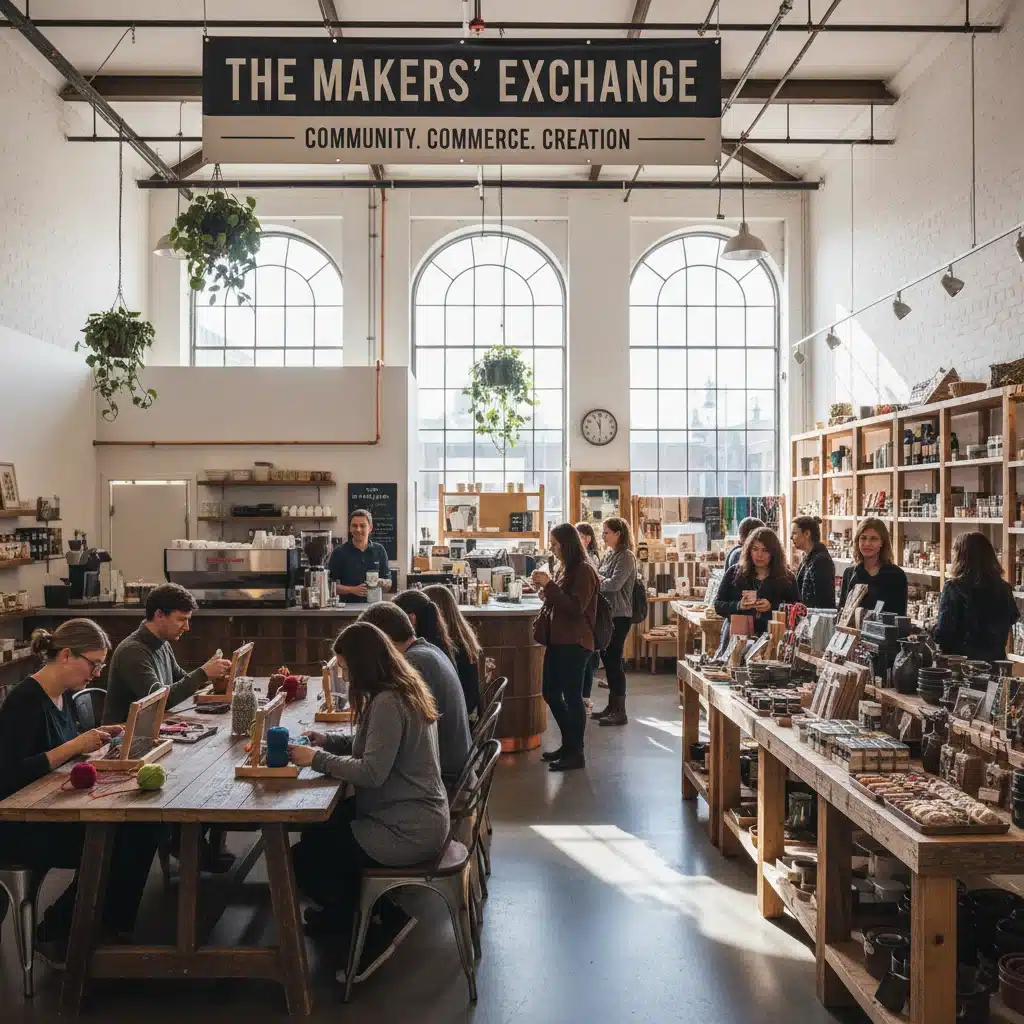
Stocking products from local artisans, designers, and food producers not only supports the local economy but also creates a unique selling proposition for the store. Partnerships with local businesses for cross-promotions or joint events can expand reach and foster a sense of community pride. This makes the store a reflection of its surroundings.
Hosting Local Events and Gatherings
Beyond brand-specific events, stores can become true community hubs by hosting local art exhibitions, book clubs, farmers’ markets, or even acting as pick-up points for local services. This positions the store as an indispensable part of the neighborhood fabric, driving consistent foot traffic from a diverse audience.
Personalized Local Marketing
Leveraging local SEO, social media, and community partnerships to tailor marketing efforts to specific neighborhoods can significantly increase relevance and draw in local customers. Highlighting local staff, local stories, and local impact resonates deeply with residents and strengthens the store’s connection to its immediate environment.
The Role of Staff: From Sales Associates to Brand Ambassadors
In the era of brick-and-mortar reinvention, the role of store employees is more critical than ever. They are no longer just transactional facilitators; they are brand ambassadors, experience curators, and trusted advisors.
Expertise and Product Knowledge
Customers often visit physical stores because they want expert advice that an algorithm cannot provide. Well-trained staff with deep product knowledge can answer complex questions, offer personalized recommendations, and demonstrate product usage, adding immense value to the in-store experience.
Exceptional Customer Service
Human connection remains a powerful differentiator. Friendly, attentive, and helpful staff can turn a routine shopping trip into a delightful experience. Empowering employees to resolve issues quickly, offer flexible solutions, and go the extra mile fosters loyalty and positive word-of-mouth.
Facilitating Experiences
Staff play a crucial role in delivering experiential retail. Whether it’s guiding a customer through an AR experience, leading a workshop, or simply engaging in meaningful conversation, their interaction is central to the store’s ability to create memorable moments. Investing in comprehensive training programs for staff is paramount to unlocking their potential as key drivers of foot traffic and customer satisfaction.
Sustainability and Ethical Practices: Resonating with Modern Values
Today’s consumers are increasingly conscious of the environmental and social impact of their purchases. Integrating sustainability and ethical practices into the store’s operations and branding is no longer optional; it’s a strategic imperative for successful brick-and-mortar reinvention.
Eco-Friendly Store Design and Operations
Retailers can demonstrate their commitment through sustainable store design (e.g., using recycled materials, energy-efficient lighting), responsible waste management, and reducing their carbon footprint. These efforts not only appeal to environmentally conscious consumers but can also lead to operational cost savings.
Transparent Sourcing and Ethical Supply Chains
Communicating transparently about product sourcing, manufacturing processes, and ethical labor practices builds trust and resonates with consumers who prioritize responsible consumption. Showcasing certifications or partnerships with ethical organizations can further strengthen this message.
Community Engagement and Social Impact
Engaging in local charitable initiatives, supporting social causes, or offering products that contribute to a greater good can foster a deeper connection with customers. When a store stands for something beyond profit, it builds a loyal community that feels good about supporting the brand.
The Future is Bright for Reinvented Brick-and-Mortar
The vision for brick-and-mortar retail in 2026 is one of vibrancy, innovation, and deep customer connection. The brick-and-mortar reinvention is not a uniform blueprint but a dynamic framework that encourages creativity and adaptability. Stores that embrace technology to personalize experiences, transform their spaces into engaging destinations, foster community ties, empower their staff, and uphold strong ethical values are the ones that will not only survive but thrive.
The predicted 10% increase in foot traffic by 2026 is an achievable goal for retailers willing to invest in these transformative strategies. It signifies a renewed appreciation for the unique value proposition that physical stores offer – a tangible, sensory, and human experience that digital channels cannot fully replicate. As consumers continue to seek authentic connections and memorable interactions, the reinvented brick-and-mortar store will stand as a testament to the enduring power of physical presence in an increasingly digital world.
Embracing this future requires courage, strategic planning, and a willingness to challenge conventional retail wisdom. However, the rewards – increased foot traffic, enhanced customer loyalty, and a stronger brand presence – are well worth the effort. The story of brick-and-mortar is far from over; it’s just entering its most exciting chapter yet, defined by innovation, experience, and community.