Future Product Testing: 2026-2031 Predictions & Preparations
Anúncios
The Future of Product Testing: Predictions and Preparations for the Next 5 Years (2026-2031)
In an era of rapid technological advancement and escalating consumer expectations, the landscape of product development and quality assurance is undergoing a profound transformation. As we look towards the horizon of 2026 and beyond, the methods, tools, and philosophies underpinning future product testing are poised for revolutionary change. This article delves into the critical predictions for the next five years, outlining the challenges and opportunities that lie ahead, and offering strategic preparations for businesses aiming to stay at the forefront of innovation and reliability.
The Dawn of AI-Driven Product Testing
Artificial Intelligence (AI) is no longer a futuristic concept; it’s an integral part of our present, and its role in future product testing will only intensify. By 2026, AI algorithms will move beyond simple data analysis to become proactive agents in the testing process. We predict a significant shift towards:
Anúncios
Predictive Failure Analysis
AI will harness vast datasets from design, manufacturing, and field performance to predict potential failure points even before physical prototypes are built. Machine learning models will identify patterns indicative of defects, allowing engineers to refine designs virtually, saving immense time and resources. This predictive capability will be crucial for complex systems, reducing the need for exhaustive physical testing cycles.
Automated Test Case Generation and Execution
The manual creation of test cases is often a bottleneck. AI will automate this process, generating comprehensive and optimized test scenarios based on product specifications, user behavior models, and historical defect data. Furthermore, AI-powered robots and automated systems will execute these tests with unparalleled precision and speed, operating 24/7. This will not only accelerate time-to-market but also uncover obscure bugs that might escape human detection.
Anúncios
Intelligent Anomaly Detection
During testing, AI will continuously monitor product behavior, identifying anomalies that deviate from expected performance. This isn’t just about flagging errors; it’s about understanding the root cause and suggesting remedies. For instance, in software testing, AI will analyze code changes and predict their impact on system stability, prioritizing tests accordingly. For hardware, AI-powered vision systems will detect micro-fractures or manufacturing inconsistencies invisible to the human eye.
Self-Optimizing Testing Frameworks
The testing environment itself will become smarter. AI will learn from each test run, adapting parameters and methodologies to optimize efficiency and effectiveness. This means test suites will evolve dynamically, focusing resources where they are most needed and continuously improving their ability to catch defects. This self-optimization will be a cornerstone of efficient future product testing strategies.
Hyper-Automation and Robotics in Quality Assurance
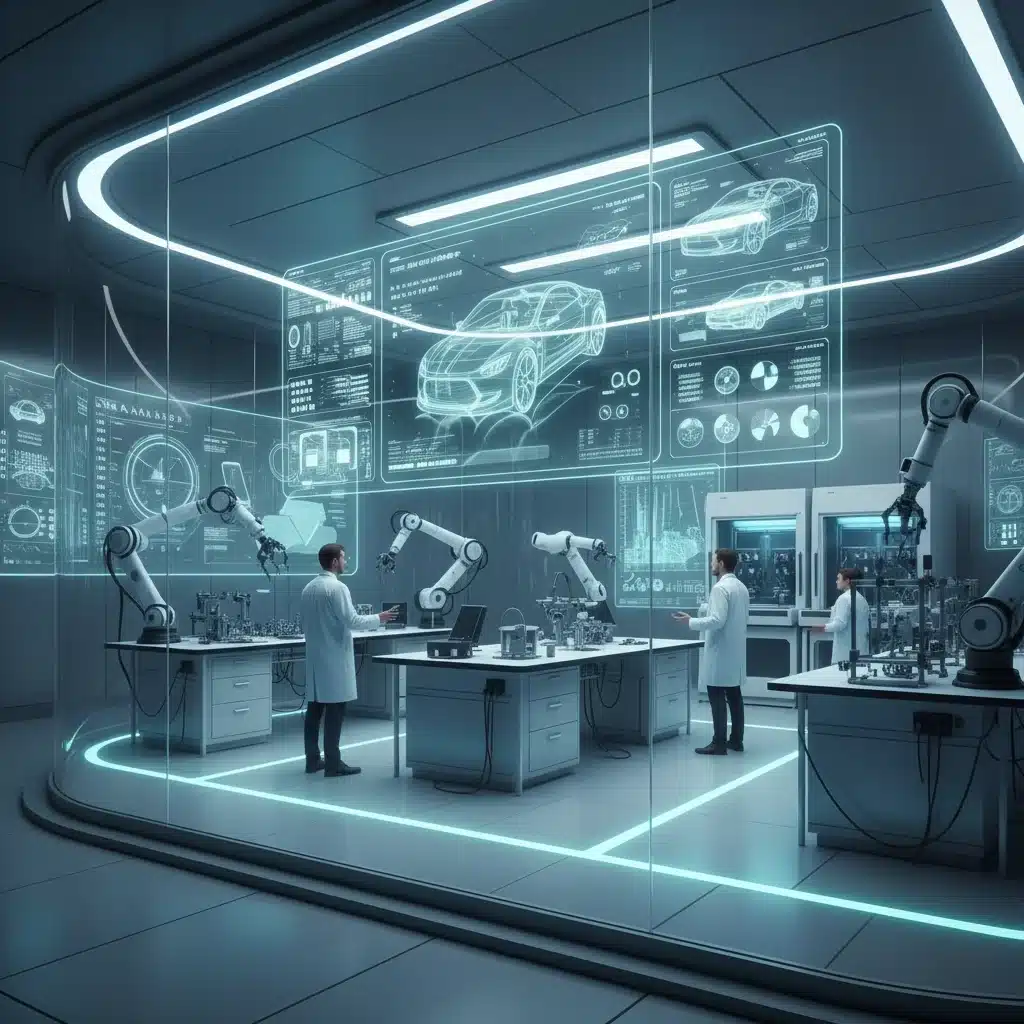
Beyond AI, the physical execution of tests will see a dramatic increase in automation and the deployment of advanced robotics. The drive for consistency, speed, and cost-efficiency will push industries towards hyper-automated testing environments.
Advanced Robotic Testers
Robots will perform repetitive, high-precision, and hazardous tests with greater dexterity and intelligence. Collaborative robots (cobots) will work alongside human technicians, handling tasks such as endurance testing, precise component placement, and complex assembly verification. Imagine robots capable of simulating years of wear and tear in a matter of days, or meticulously testing every button and port on a new device.
Digital Twins and Virtual Testing Environments
The concept of digital twins – virtual replicas of physical products – will become indispensable for future product testing. These twins will allow for extensive virtual testing under a multitude of conditions, from extreme temperatures to high-stress scenarios, without ever building a physical prototype. This significantly reduces development costs and accelerates the iterative design process. As products become more complex and interconnected, simulating their behavior in a digital twin environment will be critical for predicting real-world performance.
Automated Data Collection and Analysis
Every automated test will generate vast amounts of data. Automated systems will not only collect this data but also preprocess, categorize, and present it in actionable formats. This eliminates manual data entry errors and speeds up the analysis phase, allowing engineers to focus on interpreting results and making informed decisions rather than data wrangling.
The Imperative of Sustainability and Circular Economy Principles
Consumer and regulatory pressures are rapidly pushing sustainability to the forefront of product development. Future product testing will be inextricably linked with environmental responsibility.
Lifecycle Assessment (LCA) Integration
Testing will extend beyond product functionality to encompass its entire lifecycle. LCA will be integrated into the testing process, evaluating environmental impacts from material sourcing, manufacturing, transportation, use, and end-of-life disposal or recycling. Products will be tested not just for performance, but for their carbon footprint, water usage, and waste generation.
Durability and Repairability Testing
In a circular economy, products are designed for longevity and ease of repair. Testing protocols will evolve to rigorously assess durability under extended use conditions and the feasibility of repair. This includes testing for modularity, ease of disassembly, and the availability of spare parts. Products that are difficult to repair or have a short lifespan will face increasing scrutiny and market resistance.
Material Traceability and Compliance
Ensuring that materials are ethically sourced and comply with environmental regulations will be a critical aspect of testing. Blockchain technology and advanced material analysis will be used to verify the origin and composition of components, preventing the use of hazardous substances and promoting responsible supply chains. This will add a new layer of complexity and importance to the testing process.
Data-Driven Insights and Continuous Feedback Loops
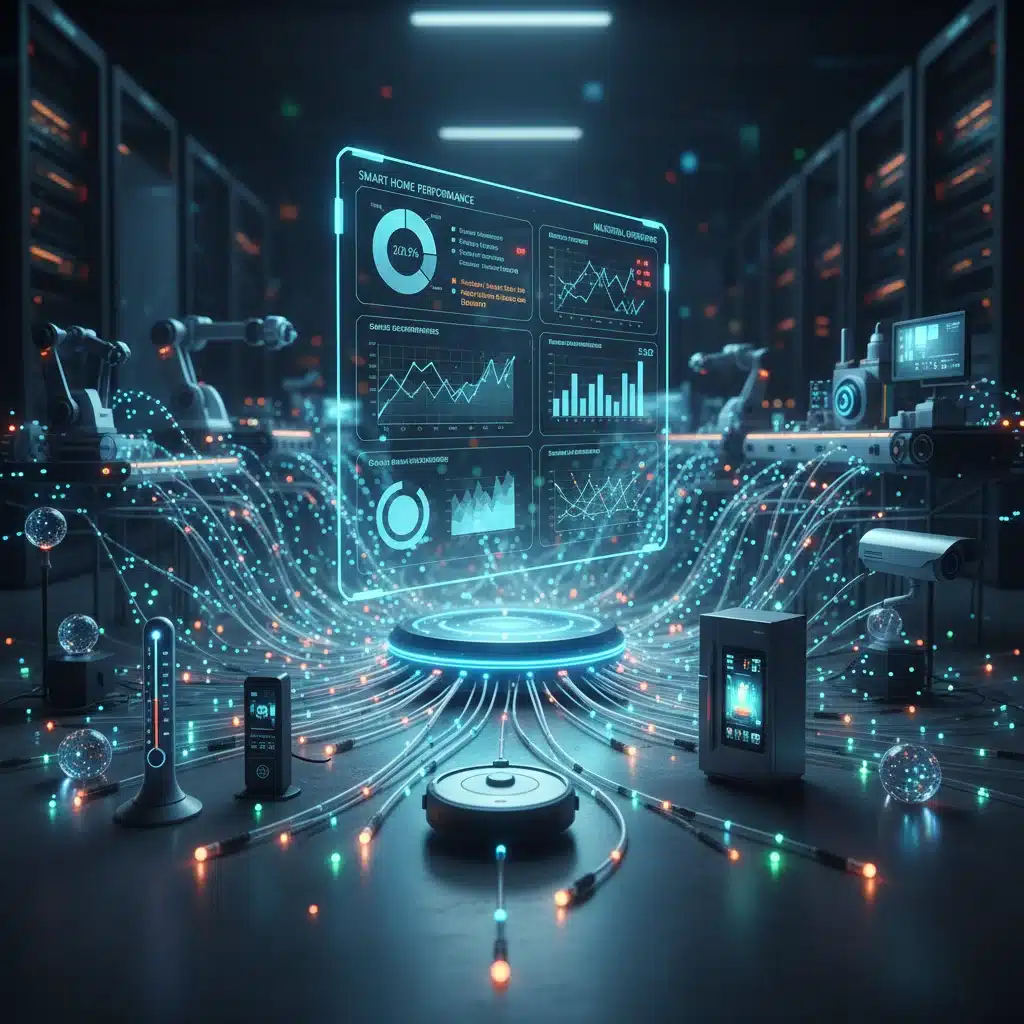
The sheer volume of data generated by modern products and testing processes demands sophisticated analytical approaches. Future product testing will be characterized by its data-centric nature, fueling continuous improvement.
IoT and Real-World Performance Monitoring
Products equipped with IoT sensors will provide continuous real-time performance data from actual usage environments. This data will feed directly back into the testing and design cycles, offering invaluable insights into how products perform in the hands of consumers. This creates a powerful feedback loop, allowing for proactive adjustments, predictive maintenance, and the identification of usage patterns that might not be replicated in a lab setting.
Advanced Analytics and Machine Learning for Field Data
Machine learning algorithms will analyze this vast stream of field data to identify emerging trends, predict potential issues before they become widespread, and understand user satisfaction. This goes beyond simple bug reports; it’s about understanding the nuanced interactions between product and user, and how environmental factors influence performance. Such deep insights will guide future product iterations and testing priorities.
Democratization of Data and Collaboration
Testing data will become more accessible across departments, fostering greater collaboration between design, engineering, manufacturing, and customer service. Data visualization tools will make complex information understandable to non-experts, enabling a holistic approach to product quality and continuous improvement. This cross-functional visibility is key to accelerating development cycles and ensuring product excellence.
Human-Centric and Experience-Based Testing
While automation and AI will dominate much of the technical testing, the human element, particularly regarding user experience, will remain paramount.
User Experience (UX) and Usability Testing Evolution
UX testing will become even more sophisticated, leveraging biometric data, eye-tracking, and AI-powered sentiment analysis to understand genuine user reactions. Virtual and augmented reality (VR/AR) will create immersive environments for testing user interaction with products in simulated real-world scenarios, offering a deeper understanding of usability and intuitive design. This is crucial for products where the user interface and overall experience are key differentiators.
Empathy-Driven Testing
Testers will increasingly adopt an empathy-driven approach, putting themselves in the shoes of diverse user groups to uncover pain points and ensure inclusivity. This involves testing for accessibility, cultural relevance, and varied skill levels, ensuring that products are genuinely user-friendly for everyone. This human touch will complement the efficiency of automated systems, providing a crucial qualitative layer to future product testing.
Preparations for the Next 5 Years: A Strategic Roadmap
To navigate the evolving landscape of future product testing, businesses must proactively adapt. Here are key preparations:
Invest in AI and Automation Technologies
This is non-negotiable. Start by identifying areas where AI can provide the most immediate return, such as predictive maintenance or automated test case generation. Gradually integrate robotic process automation (RPA) and advanced robotics into your testing labs. This requires not just purchasing technology but also investing in the expertise to implement and manage it effectively.
Upskill Your Workforce
The role of the human tester will shift from manual execution to strategic oversight, data interpretation, and AI management. Training programs should focus on data science, machine learning, robotics operation, and advanced analytical skills. Foster a culture of continuous learning to keep pace with technological advancements.
Embrace Data-Driven Decision Making
Establish robust data collection, storage, and analysis infrastructures. Implement advanced analytics tools and dashboards to transform raw data into actionable insights. Encourage cross-functional teams to leverage this data for design improvements, manufacturing optimizations, and better customer support. Data is the new oil, and its effective utilization will be a competitive advantage.
Integrate Sustainability from Design to Disposal
Make sustainability a core principle of your product development process. Implement lifecycle assessment tools, prioritize durable and repairable designs, and ensure supply chain transparency. Testing protocols must be updated to include environmental performance metrics, not just functional ones. This prepares you for future regulations and meets growing consumer demand for eco-conscious products.

Foster Collaboration and Agility
Break down silos between design, engineering, manufacturing, and quality assurance. Implement agile methodologies that allow for rapid iteration and continuous feedback. The speed of change demands flexible and responsive teams that can adapt quickly to new information and emerging challenges. This collaborative spirit will be essential for navigating the complexities of future product testing.
Prioritize Cybersecurity in Testing
As products become more connected, cybersecurity testing becomes paramount. Integrate robust security testing protocols throughout the development lifecycle, not just as a final check. This includes penetration testing, vulnerability scanning, and secure coding practices. A single security flaw can have catastrophic consequences for reputation and customer trust.
Develop a Digital Twin Strategy
Begin exploring and investing in digital twin technology. Start with less complex products to gain experience, then gradually expand to more intricate systems. This will enable comprehensive virtual testing, reducing the reliance on physical prototypes and accelerating validation cycles. The ability to simulate real-world conditions virtually will be a game-changer.
Focus on User Experience (UX) and Empathy
While technology automates many aspects, the ultimate goal remains a superior user experience. Invest in advanced UX research methods, including VR/AR for immersive testing. Cultivate a culture of empathy within your testing teams to ensure products are intuitive, accessible, and truly meet user needs. This human-centric approach will differentiate your products in a crowded market.
Challenges on the Horizon
While the future of product testing promises efficiency and innovation, it also presents significant challenges:
- Data Overload and Interpretation: Managing and extracting meaningful insights from exponentially growing datasets will require sophisticated tools and skilled analysts.
- Integration Complexities: Seamlessly integrating AI, robotics, IoT, and various software platforms will be a significant technical hurdle for many organizations.
- Ethical AI Considerations: Ensuring fairness, transparency, and accountability in AI-driven testing processes will be crucial, particularly in areas like bias detection in user experience.
- Skill Gap: The rapid evolution of technology will create a demand for new skills, potentially leading to a talent shortage if organizations do not invest in continuous training.
- Security Risks: As testing environments become more interconnected and data-rich, the risk of cyber threats and data breaches will increase, requiring robust security measures.
- Cost of Adoption: Initial investments in advanced testing technologies can be substantial, posing a barrier for smaller businesses.