Market Trends 2026: Demographics Reshaping Product Demand by 18%
Anúncios
Market Trends 2026: How Shifting Demographics Are Redefining Product Demand by 18% in the Next 6 Months
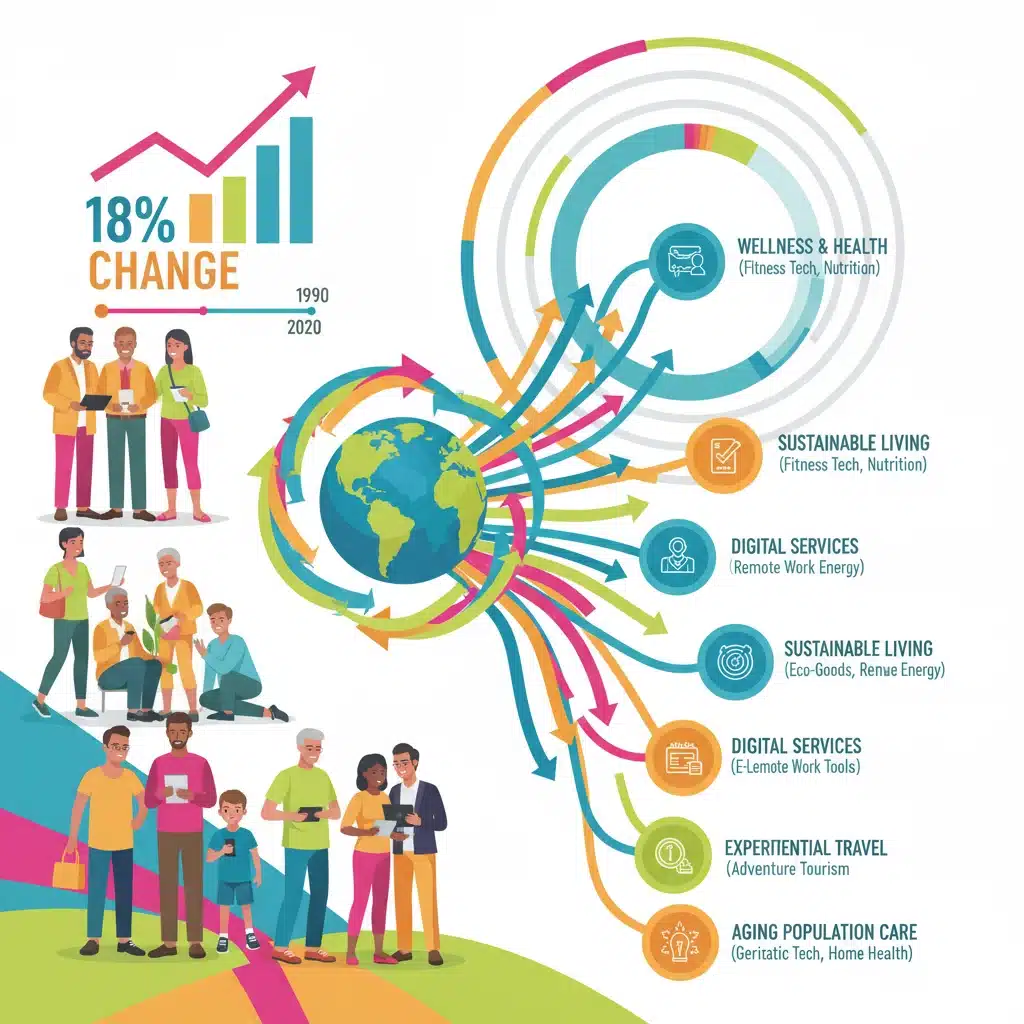
The global marketplace is a living, breathing entity, constantly evolving, shifting, and redefining itself. As we hurtle towards 2026, one of the most powerful forces at play is the dramatic shift in global demographics. This isn’t just a minor ripple; it’s a tidal wave poised to redefine product demand by an estimated 18% in the next six months alone. Businesses that fail to grasp the nuances of these changes risk being left behind, while those that proactively adapt stand to capture significant market share. Understanding these demographic shifts demand proactive strategic planning and an agile approach to product development and marketing.
From aging populations in developed nations to burgeoning youth markets in emerging economies, the composition of the global consumer base is undergoing an unprecedented transformation. These shifts are not merely statistical curiosities; they translate directly into changes in consumer behavior, purchasing power, values, and ultimately, what products and services people desire and are willing to pay for. This comprehensive article delves deep into the core demographic trends shaping 2026 and beyond, providing actionable insights for businesses looking to not just survive, but thrive in this new landscape.
The Global Population Mosaic: Key Demographic Shifts Defining 2026
The world’s population is not just growing; it’s changing in fundamental ways. The interplay of birth rates, mortality rates, migration, and urbanization is creating a complex mosaic of consumer segments, each with distinct needs and preferences. Analyzing these demographic shifts demand a granular approach to truly understand their impact.
Anúncios
Aging Populations in Developed Economies
One of the most significant trends is the continued aging of populations in many developed countries. Nations like Japan, Germany, Italy, and increasingly, the United States, are experiencing a ‘graying’ phenomenon. This means a larger proportion of their population is over the age of 65. What does this imply for product demand?
- Healthcare and Wellness: Increased demand for elder care services, medical devices, pharmaceuticals, preventative health products, and age-appropriate fitness solutions.
- Financial Services: A greater need for retirement planning, wealth management, estate planning, and specialized insurance products.
- Leisure and Travel: As seniors remain active longer, there’s a growing market for accessible travel, cultural experiences, and leisure activities tailored to their interests and physical capabilities.
- Home Modifications: Demand for smart home technologies that enhance safety and convenience, ergonomic furniture, and home modification services to facilitate aging in place.
- Technology Adoption: While often perceived as less tech-savvy, older generations are increasingly adopting technology, particularly user-friendly devices and platforms that connect them with family, healthcare, and entertainment. This presents opportunities for intuitive tech products.
Businesses must pivot their marketing messages from youth-centric to more inclusive narratives, focusing on value, comfort, and ease of use. Product innovation needs to consider accessibility and specific needs of an older demographic.
Youth Bulges in Emerging Markets
Conversely, many emerging economies, particularly in Africa, parts of Asia, and Latin America, are experiencing a ‘youth bulge.’ A significant portion of their population is under 30, entering their peak consumption years. This demographic presents a different set of market opportunities and challenges.
- Education and Skill Development: High demand for educational resources, vocational training, and digital learning platforms to equip the youth with future-ready skills.
- Affordable Technology: Smartphones, internet services, and entry-level computing devices are essential for connectivity and economic participation.
- Fashion and Lifestyle: Youth-driven trends in apparel, beauty products, entertainment, and social experiences. Brand loyalty can be strong if products resonate with their values.
- Urbanization and Infrastructure: As young people migrate to cities for opportunities, there’s increased demand for affordable housing, efficient public transport, and urban services.
- Digital-First Consumption: This generation is inherently digital. E-commerce, social media marketing, and mobile-first product experiences are paramount.
Companies targeting these markets must prioritize affordability, digital accessibility, and products that align with the aspirations and cultural contexts of young, upwardly mobile consumers. Ignoring these demographic shifts demand will lead to missed opportunities.
The Millennial and Gen Z Influence: Values and Purchasing Power
Globally, Millennials (born roughly 1981-1996) and Gen Z (born roughly 1997-2012) represent enormous purchasing power and a distinct set of values that are profoundly influencing product demand. These generations are not just consumers; they are active participants in shaping market trends.
- Sustainability and Ethics: A strong preference for eco-friendly products, ethical sourcing, transparent supply chains, and companies with strong social responsibility. Brands that genuinely embed these values into their core operations will win.
- Experience Over Ownership: While they do purchase goods, there’s a notable trend towards valuing experiences (travel, events, dining) over accumulating material possessions. Subscription services and access-based models thrive here.
- Health and Wellness: A holistic approach to health, encompassing mental, physical, and emotional well-being. Demand for organic food, plant-based diets, fitness tech, mindfulness apps, and natural personal care products.
- Personalization and Authenticity: They seek products and brands that feel authentic and offer personalized experiences. Generic, mass-market approaches often fall flat.
- Digital Native Expectations: Seamless online experiences, mobile commerce, influencer marketing, and user-generated content are crucial for engagement.
Businesses must adapt their product development, branding, and communication strategies to align with these values. Authenticity and purpose are no longer optional but essential for capturing these influential consumer segments.
Anúncios
Impact on Product Categories: Where Demand Will Shift by 18%
The 18% shift in product demand isn’t uniform; it will manifest differently across various sectors. Smart businesses are already forecasting these changes and adjusting their strategies. Understanding these specific category impacts due to demographic shifts demand careful analysis.
Food and Beverage: From Processed to Personalized and Plant-Based
The food industry is undergoing a revolution driven by health consciousness, ethical concerns, and convenience. Demand for highly processed foods is declining, while there’s a surge in:
- Plant-Based Alternatives: Vegan and vegetarian options across all categories – meat substitutes, dairy alternatives, and plant-based snacks.
- Functional Foods: Products fortified with probiotics, vitamins, and other health-boosting ingredients.
- Personalized Nutrition: Services and products tailored to individual dietary needs, genetic profiles, and health goals.
- Sustainable Sourcing: Consumers increasingly want to know where their food comes from and that it’s produced ethically and environmentally responsibly.
- Convenience and Ready-to-Eat: Healthy, convenient meal solutions for busy lifestyles.
Retail and E-commerce: Experiential, Sustainable, and Seamless
Brick-and-mortar retail is transforming into experiential hubs, while e-commerce continues its rapid expansion. Key shifts include:
- Sustainable Fashion: Demand for ethically produced, durable, and upcycled clothing. Fast fashion is losing its appeal among conscious consumers.
- Second-Hand and Rental Markets: Growth in resale platforms and rental services for everything from clothing to electronics, driven by sustainability and affordability.
- Hyper-Personalized Shopping: AI-driven recommendations, virtual try-ons, and customized product offerings.
- Seamless Omnichannel Experience: Consumers expect a consistent and integrated experience across online, mobile, and physical touchpoints.
- Local and Artisan Goods: A renewed appreciation for unique, locally sourced products over mass-produced items.

Technology and Connectivity: Beyond Gadgets to Solutions
Technology is no longer just about new gadgets; it’s about integrated solutions that enhance life, health, and productivity. The demographic shifts demand more intuitive and purposeful tech.
- Health Tech and Wearables: Devices for monitoring health, fitness, and sleep, increasingly integrated with preventative care.
- Smart Home Ecosystems: Integrated systems for energy efficiency, security, and convenience, particularly appealing to aging populations and busy families.
- EdTech and Lifelong Learning: Platforms for skill acquisition, professional development, and personal enrichment, catering to all age groups.
- AI-Powered Services: From personalized recommendations to automated customer service, AI is becoming integral to consumer experiences.
- Digital Accessibility: Ensuring technology is usable by people of all abilities and ages, a critical consideration for an aging global population.
Automotive and Mobility: Electric, Autonomous, and Shared
The automotive industry is undergoing perhaps its most radical transformation in a century.
- Electric Vehicles (EVs): Rapid adoption driven by environmental concerns, government incentives, and improving technology.
- Autonomous Driving: Continued development and gradual integration of self-driving features, promising enhanced safety and convenience.
- Shared Mobility: Car-sharing, ride-hailing, and micro-mobility solutions (e-scooters, bike-sharing) are gaining traction, especially in urban centers among younger demographics.
- Subscription Models: Alternative ownership models for vehicles, offering flexibility and access without the full commitment of purchase.
Financial Services: Digital, Ethical, and Personalized
The financial sector is being reshaped by digital innovation and evolving consumer expectations.
- Fintech Innovation: Mobile banking, digital wallets, peer-to-peer lending, and robo-advisors are becoming mainstream.
- Sustainable Investing: A significant increase in demand for ESG (Environmental, Social, and Governance) investment options, particularly among Millennials and Gen Z.
- Personalized Financial Advice: AI-driven tools providing tailored financial planning and wealth management solutions.
- Financial Literacy Tools: Resources and platforms to help younger generations manage debt, save, and invest.
Strategies for Businesses: Adapting to New Demographic Realities
To navigate these seismic shifts and capitalize on the estimated 18% change in product demand, businesses must adopt agile and forward-thinking strategies. Proactive responses to these demographic shifts demand a re-evaluation of current practices.
1. Hyper-Targeted Marketing and Personalization
Mass marketing is increasingly ineffective. Leverage data analytics and AI to understand specific demographic segments and their unique needs. Create highly personalized marketing campaigns that resonate with individual values and preferences. This means understanding not just age or location, but also psychographics – what motivates them, their lifestyle choices, and their media consumption habits.
2. Agile Product Development and Innovation
The pace of change requires continuous innovation. Businesses must develop flexible product pipelines that can quickly adapt to emerging trends and consumer demands. This includes:
- Modular Design: Products that can be easily customized or upgraded.
- Co-creation: Involving consumers in the product development process to ensure relevance.
- Sustainability by Design: Integrating eco-friendly materials and processes from the outset.
- Accessibility: Designing products and services that are usable by people of all ages and abilities.
3. Embracing Digital Transformation and Omnichannel Experiences
A robust digital presence is non-negotiable. This extends beyond just an e-commerce website to include:
- Mobile-First Strategy: Optimizing all digital interactions for mobile devices.
- Seamless Integration: Ensuring a consistent and positive customer journey across all touchpoints – online, in-store, social media, and customer service.
- Data Analytics: Utilizing big data to gain insights into consumer behavior, predict trends, and optimize operations.
- AI and Automation: Implementing AI for personalized recommendations, chatbots for customer support, and automated marketing.
4. Prioritizing Sustainability and Ethical Practices
For a growing segment of consumers, particularly Millennials and Gen Z, a company’s commitment to sustainability and ethical practices is a significant purchasing driver. Businesses must:
- Transparency: Be open about supply chains, labor practices, and environmental impact.
- Circular Economy Principles: Design products for longevity, repairability, and recyclability.
- Social Responsibility: Engage in meaningful corporate social responsibility initiatives that align with their brand values.
- Authenticity: Avoid ‘greenwashing’ and ensure genuine commitment to these values.

5. Investing in Talent and Future Skills
The changing market requires a workforce with new skills. Businesses need to invest in:
- Digital Literacy: Upskilling employees in data analytics, AI, and digital marketing.
- Cultural Competence: Developing a workforce that understands and can cater to diverse global demographics.
- Soft Skills: Empathy, critical thinking, adaptability, and creativity are crucial in a rapidly changing environment.
Challenges and Opportunities: Navigating the New Landscape
While the demographic shifts demand significant adaptation, they also present immense opportunities for innovation and growth. The challenges lie in overcoming inertia and traditional business models.
Challenges:
- Data Overload: Sifting through vast amounts of demographic and consumer data to extract actionable insights.
- Legacy Systems: Outdated technologies and business processes that hinder agility and innovation.
- Resistance to Change: Internal organizational resistance to adopting new strategies and technologies.
- Global Complexity: Managing diverse demographic trends across different geographic markets, each with its own cultural nuances.
- Resource Allocation: Deciding where to invest limited resources for maximum impact in a rapidly changing environment.
Opportunities:
- New Market Creation: Identifying unmet needs arising from demographic shifts and creating entirely new product categories.
- Enhanced Customer Loyalty: Building deeper relationships with specific demographic segments by genuinely understanding and serving their needs.
- Brand Differentiation: Distinguishing brands through authentic commitment to values like sustainability and social responsibility.
- Global Expansion: Tapping into burgeoning youth markets in emerging economies with tailored offerings.
- Innovation Leadership: Becoming pioneers in developing adaptive business models and customer-centric solutions.
The 18% shift in product demand isn’t a threat but a wake-up call for businesses to re-evaluate their fundamental assumptions about their customer base. Those that embrace this challenge with foresight and agility will be the leaders of tomorrow’s market.