Time-Sensitive Product Review Opportunities: Don’t Miss Out on January 2026 Deadlines

Anúncios
In the fast-paced world of product development and market competition, staying ahead often means being proactive, especially when it comes to gathering crucial consumer feedback. Product reviews are the lifeblood of product improvement, marketing, and ultimately, sales success. However, not all review opportunities are created equal; many are time-sensitive, with specific windows that, if missed, can lead to significant setbacks. This article delves into the critical importance of recognizing and acting upon these time-sensitive product review deadlines, with a particular focus on the impending January 2026 cut-offs. Understanding these deadlines and developing a robust strategy to meet them is paramount for any business aiming for sustained growth and market relevance.
The digital landscape has transformed how consumers interact with products and brands. A staggering percentage of consumers now rely on online reviews before making a purchase decision. This makes the timely acquisition of positive, constructive feedback not just a desirable outcome, but an absolute necessity. Businesses that master the art of soliciting and leveraging reviews within specified timeframes gain a distinct competitive advantage. Conversely, those who falter risk losing out on invaluable insights, market positioning, and customer trust. As we approach January 2026, a period often marked by new product launches and post-holiday consumer activity, the urgency to capitalize on these product review deadlines becomes even more pronounced.
The Critical Role of Timely Product Reviews
Product reviews serve multiple vital functions within the product lifecycle. First and foremost, they provide authentic, unfiltered consumer feedback. This feedback is gold for product managers and development teams, offering direct insights into what works, what doesn’t, and what improvements are needed. It allows for iterative development, ensuring that products evolve in response to actual user experiences rather than assumptions. Secondly, reviews build trust and credibility. In an era of skepticism, peer recommendations carry immense weight. A product with a healthy volume of recent, positive reviews is inherently more trustworthy than one with sparse or outdated feedback. Thirdly, reviews significantly impact SEO and online visibility. Search engines often factor in review quantity and quality when ranking products, making them a powerful tool for organic discovery. Finally, reviews are a potent marketing asset, providing social proof that can be leveraged across various promotional channels.
However, the value of a review often diminishes over time. An enthusiastic review from six months ago, while still positive, might not resonate as strongly with a potential buyer as a fresh one from last week. This is where the concept of time-sensitive product review deadlines becomes crucial. Many platforms, campaigns, and even internal product cycles operate on specific timelines, requiring reviews to be submitted or gathered by a certain date to be most effective. Ignoring these deadlines means potentially missing out on prime opportunities for product visibility, market validation, and critical feedback loops.
Anúncios
Understanding January 2026 Product Review Deadlines
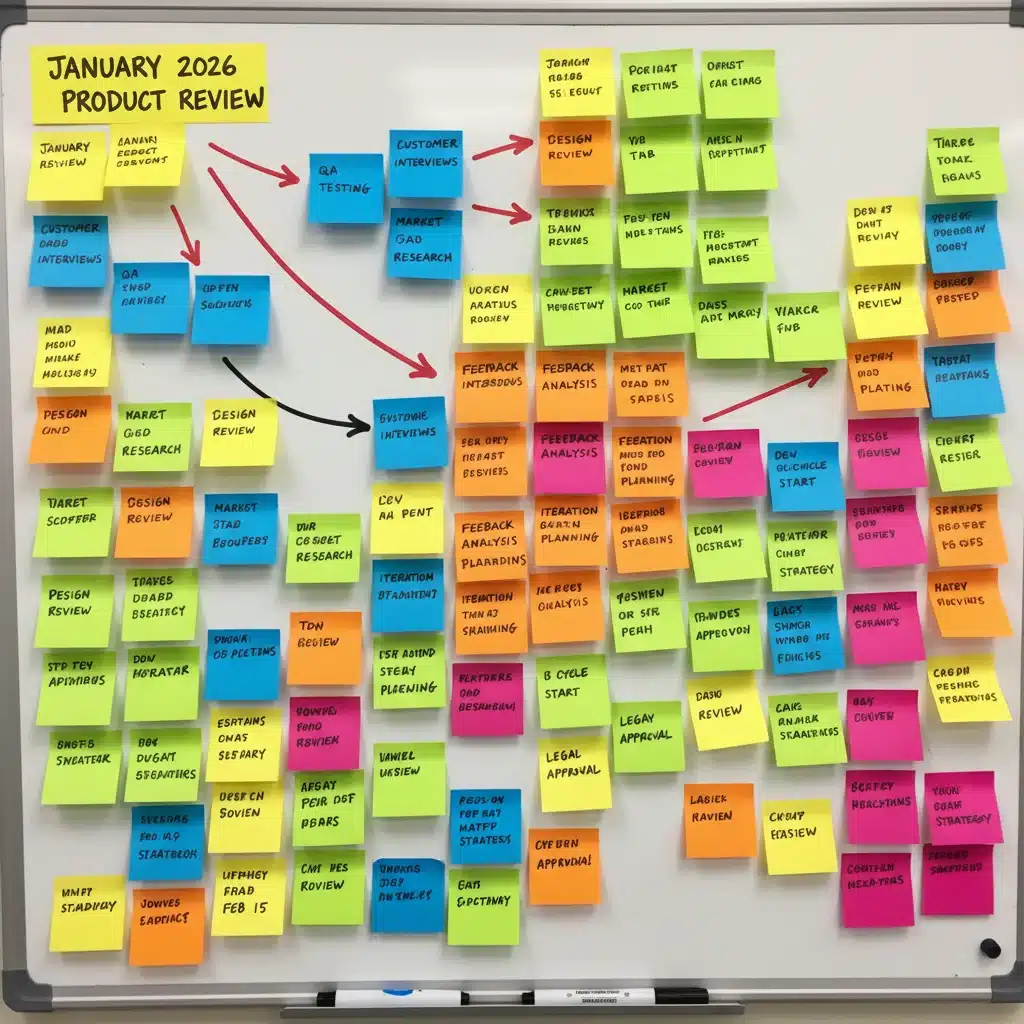
Why is January 2026 a particularly important period for product review deadlines? This month often marks the culmination of several key business cycles. For many companies, Q4 product launches, holiday sales, and end-of-year campaigns generate a surge in new customers. These new customers represent a fresh pool of potential reviewers whose experiences are current and relevant. Capitalizing on this post-purchase enthusiasm before it wanes is essential. Furthermore, many industry publications, review platforms, and award programs have submission deadlines in early January for consideration in their annual round-ups, ‘best of’ lists, or upcoming features. Missing these can mean losing out on valuable exposure and third-party validation.
Moreover, internal product development cycles often align with calendar quarters. January might be the target month for reviewing the performance of newly launched features or products from the previous quarter, requiring a consolidated body of feedback by a specific date. Companies planning Q1 2026 updates or new product announcements will need comprehensive review data to inform their strategies. Therefore, the January 2026 timeframe is not just an arbitrary date; it’s a strategic window that aligns with significant business activities and consumer behavior patterns. Businesses must treat these product review deadlines with the same gravity as financial reporting or product launch dates.
Key Types of Time-Sensitive Review Opportunities
- New Product Launch Campaigns: Often, there’s a critical window immediately following a product launch where early adopter reviews are most impactful. These reviews set the initial tone and influence subsequent sales. January 2026 might be the deadline for initial review targets for products launched in late 2025.
- Seasonal Promotions and Holiday Follow-ups: Post-holiday periods (like early January) are prime for collecting feedback from customers who purchased products as gifts or for personal use during peak shopping seasons.
- Platform-Specific Review Programs: Many e-commerce platforms (Amazon, Google Shopping, etc.) have algorithms that favor recent reviews. Maintaining a steady stream of new reviews is a continuous, time-sensitive process.
- Influencer Marketing Campaigns: Collaborations with influencers often come with strict deadlines for content creation and review submission, impacting product visibility within specific timeframes.
- Industry Awards and ‘Best Of’ Lists: Publications and organizations frequently set early year deadlines (e.g., January) for products to be considered for their annual accolades.
- Beta Testing and Early Access Feedback: If your product has undergone beta testing, there’s typically a hard deadline for testers to submit their detailed feedback before a public release or major update.
Strategies to Maximize Time-Sensitive Review Opportunities
To effectively navigate and capitalize on these time-sensitive product review deadlines, a well-thought-out strategy is indispensable. It’s not enough to simply ask for reviews; the process must be streamlined, incentivized (where appropriate and ethical), and integrated into the customer journey. Proactive planning is the cornerstone of success here.
1. Implement a Robust Feedback Collection System
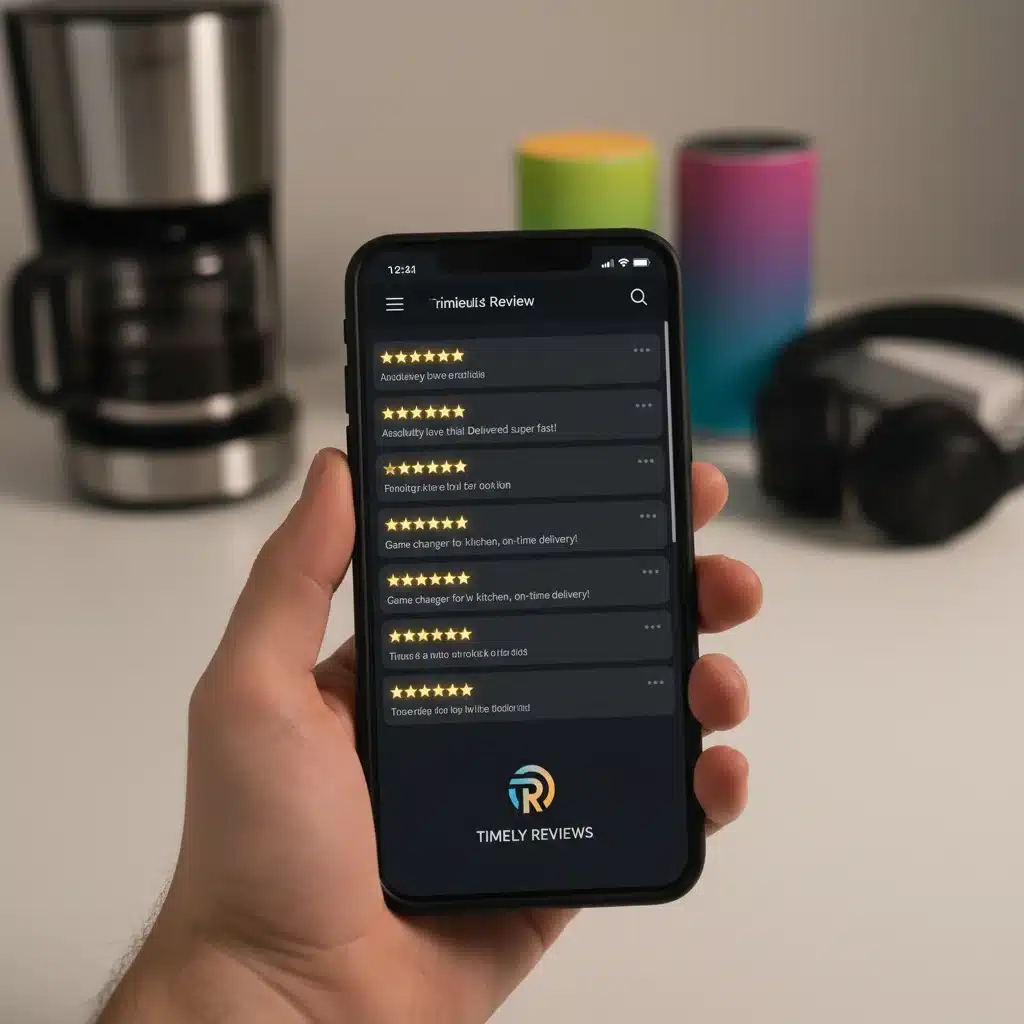
The first step is to have efficient mechanisms in place for collecting reviews. This could involve automated email sequences triggered after purchase, in-app prompts for digital products, or dedicated review sections on your website. Ensure these systems are user-friendly and make the review process as frictionless as possible. Consider using third-party review platforms that integrate easily with your existing systems and offer features like review moderation and syndication.
2. Timing is Everything
Understand the optimal moment to ask for a review. For physical products, this is typically after the customer has had sufficient time to use and experience the product, but before their initial enthusiasm wanes. For digital services, it might be after a significant milestone or a period of consistent use. Mapping out these touchpoints in your customer journey is critical for hitting those product review deadlines effectively.
Anúncios
3. Offer Incentives (Ethically and Legally)
While direct payment for positive reviews is unethical and often illegal, offering non-contingent incentives for submitting a review can boost participation. This could include entry into a prize draw, a small discount on a future purchase, or exclusive content. Clearly communicate that the incentive is for the act of reviewing, regardless of the sentiment, to maintain transparency and trustworthiness. Always check platform-specific guidelines regarding incentives.
4. Personalize Your Review Requests
Generic requests often get ignored. Personalize your outreach by addressing customers by name and referencing their specific purchase. Explain why their feedback is valuable to you and how it helps other potential buyers. A personalized approach fosters a stronger connection and increases the likelihood of a response, helping you meet those crucial product review deadlines.
5. Leverage Multiple Channels
Don’t rely on a single channel for review requests. Use a multi-channel approach that includes email, SMS, in-app notifications, social media, and even packaging inserts for physical products. Each channel caters to different customer preferences and can increase your overall response rate.
6. Monitor and Respond to Reviews Promptly
The job doesn’t end once a review is submitted. Actively monitor all review channels and respond to both positive and negative feedback in a timely manner. Acknowledging positive reviews reinforces customer loyalty, while addressing negative ones demonstrates excellent customer service and a commitment to improvement. This proactive engagement can also encourage others to leave reviews.
7. Plan for January 2026 Specifics
As January 2026 approaches, specifically tailor your campaigns. Send out targeted reminders for any looming product review deadlines related to industry awards, platform features, or internal reporting. Consider running a special ‘New Year, New Feedback’ campaign to capitalize on the fresh start mentality. Ensure your customer service teams are briefed on any specific review initiatives to provide consistent messaging.
Avoiding Common Pitfalls in Review Collection
While the benefits of timely reviews are clear, there are several common mistakes businesses make that can hinder their efforts to meet product review deadlines.
Ignoring Negative Feedback
Negative reviews, while sometimes difficult to read, are invaluable. They highlight areas for improvement and, when handled correctly, can turn a dissatisfied customer into a loyal advocate. Ignoring them or attempting to suppress them can severely damage your brand’s reputation and trust.
Over-Soliciting Reviews
There’s a fine line between encouraging reviews and annoying your customers. Bombarding them with too many requests can lead to frustration and a higher unsubscribe rate. Find a balance that respects their time and space.
Lack of Transparency
Always be transparent about your review collection process. Avoid any practices that could be perceived as manipulative or dishonest, such as filtering out negative reviews or offering incentives that are contingent on a positive rating. Such practices can lead to severe penalties from review platforms and a loss of consumer trust.
Not Analyzing Review Data
Collecting reviews is only half the battle. The real value lies in analyzing the data to extract actionable insights. Look for recurring themes, common pain points, and areas of delight. Use this information to inform product development, marketing messages, and customer service training. Without this analysis, meeting product review deadlines becomes a mere logistical exercise rather than a strategic one.
The Long-Term Impact of Meeting Product Review Deadlines
Consistently meeting product review deadlines and maintaining a healthy stream of current feedback has profound long-term benefits beyond immediate sales boosts. It fosters a culture of continuous improvement within your organization, where customer voices are central to decision-making. This customer-centric approach leads to better products, stronger brand loyalty, and a more resilient market position.
Over time, a robust review strategy builds a valuable asset: a rich repository of consumer insights. This data can be mined for market trends, competitive analysis, and even new product ideas. It allows companies to anticipate customer needs and adapt more quickly to changing market dynamics. Furthermore, a strong review profile acts as a powerful barrier to entry for competitors, as it takes significant time and effort to build the same level of social proof and trust.
Moreover, platforms like Google, Amazon, and various industry-specific sites increasingly prioritize businesses with consistent, high-quality reviews. By actively managing your review acquisition process, especially around critical product review deadlines like those in January 2026, you are essentially investing in your long-term SEO, brand reputation, and overall digital footprint. This proactive stance ensures that your products remain visible, credible, and attractive to new and returning customers alike.
Conclusion: Seize the January 2026 Opportunity
The window of opportunity for time-sensitive product reviews is constantly shifting, and January 2026 presents a significant period for businesses to consolidate feedback, enhance visibility, and inform future strategies. Missing these product review deadlines is not just a minor oversight; it can have tangible negative impacts on product development, marketing effectiveness, and ultimately, market share. By understanding the critical role of timely reviews, implementing robust collection strategies, and proactively planning for specific deadlines, businesses can transform these challenges into powerful growth opportunities.
As you plan for the coming months, make a concerted effort to identify all relevant product review deadlines for January 2026. Prioritize these opportunities, allocate resources accordingly, and empower your teams to engage with customers in meaningful ways. The businesses that master the art of timely review acquisition are those that will not only survive but thrive in an increasingly competitive marketplace. Don’t let these crucial opportunities slip away; seize the moment and ensure your products receive the valuable feedback they deserve, precisely when it matters most.