
Mastering Product Testing: Your 3-Week Blueprint to Success
Have you ever dreamt of getting paid to try out new products before they hit the market? Imagine influencing the next big thing, all from the comfort of your home. This isn’t a pipe dream; it’s the reality of product testing, and with the right approach, you can secure your first product testing opportunities in just three weeks. This comprehensive guide is designed specifically for new testers, providing a step-by-step blueprint to navigate the exciting world of consumer feedback.
The demand for honest, insightful product reviews is higher than ever. Companies rely on real-world feedback to refine their offerings, ensuring they meet consumer needs and expectations. By becoming a product tester, you’re not just getting free products or earning extra cash; you’re playing a crucial role in product development and innovation. This article will demystify the process, from finding legitimate platforms to crafting compelling feedback, and most importantly, show you how to accelerate your entry into this rewarding field.
Week 1: Laying the Foundation – Research and Registration
The first week is all about setting yourself up for success. This involves thorough research to identify reputable platforms and meticulously crafting your tester profile. Think of this as building your professional resume for the product testing world.
Anúncios
Day 1-2: Understanding the Landscape of Product Testing Opportunities
Before diving in, it’s essential to understand the different types of product testing opportunities available. These can range from physical product testing (where items are shipped to you) to digital product testing (apps, websites, software). Some platforms focus on specific niches, like tech gadgets or beauty products, while others offer a broader range. Researching these options will help you determine which platforms align best with your interests and expertise.
Key considerations include:
Anúncios
- Payment Structure: Do they offer monetary compensation, free products, gift cards, or a combination?
- Product Categories: What types of products do they typically feature?
- Reputation: Look for reviews and testimonials from other testers.
- Geographic Restrictions: Are their opportunities available in your region?
Some popular and reliable platforms to start your research include:
- UserTesting: Primarily focuses on website and app usability testing.
- Pinecone Research: Known for consumer product testing across various categories.
- BzzAgent: Offers free products in exchange for social media reviews.
- Influenster: Combines product sampling with social influence.
- Home Tester Club: Provides free products for honest reviews.
Day 3-5: Strategic Platform Selection and Initial Registration
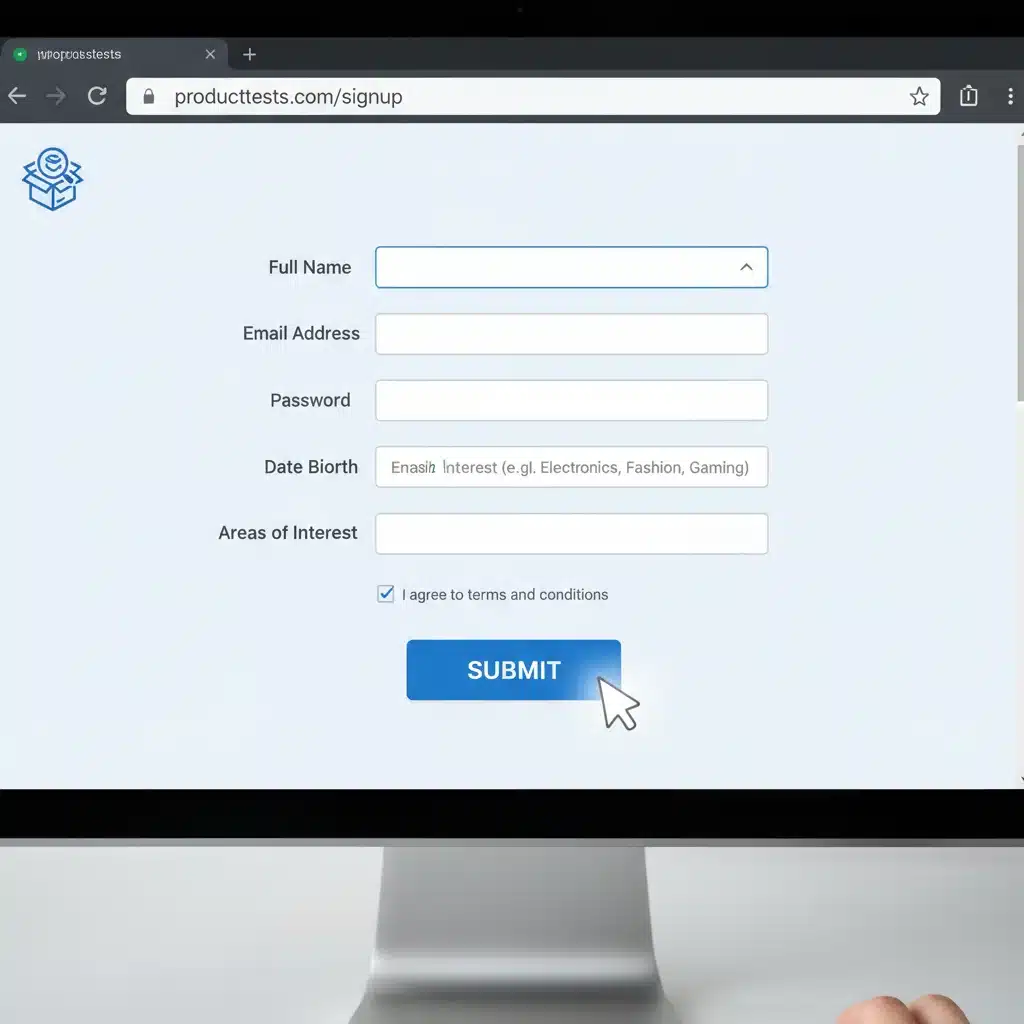
Once you’ve done your research, select 2-3 platforms that best fit your profile and interests. It’s better to focus on a few reputable platforms initially rather than spreading yourself too thin across many. Begin the registration process. This usually involves providing basic demographic information, contact details, and agreeing to their terms and conditions.
Pay close attention to detail during registration. Ensure all information is accurate and consistent across platforms. This is your first impression, and incomplete or inconsistent profiles can raise red flags with companies looking for reliable testers.
Day 6-7: Crafting a Compelling Tester Profile
Your tester profile is paramount. It’s how companies match you with relevant product testing opportunities. A well-optimized profile significantly increases your chances of being selected. Most platforms will ask for detailed information about your household, shopping habits, interests, hobbies, and even health conditions (if relevant to specific product categories).
Tips for optimizing your profile:
- Be Honest and Detailed: Provide accurate information. Don’t exaggerate or invent interests, as this could lead to being matched with unsuitable products.
- Highlight Your Demographics: Age, gender, income bracket, household size, and location are crucial for demographic targeting.
- List Your Interests Broadly: If you’re open to testing various products, list a wide range of interests, from technology to cooking to fitness.
- Specify Your Expertise: If you have a professional background relevant to certain products (e.g., a chef for kitchenware, an IT professional for software), mention it.
- Update Regularly: Keep your profile current. If your living situation changes, or you develop new interests, update your profile accordingly.
- Answer All Screening Questions: Many platforms use screening questions to pre-qualify testers for specific projects. Answer these thoroughly and honestly.
By the end of Week 1, you should have registered on a few platforms and meticulously completed your tester profiles. You’re now ready to move into the active pursuit of opportunities.
Week 2: Actively Seeking and Applying for Opportunities
With your profiles established, Week 2 is dedicated to actively searching for and applying to product testing opportunities. This requires vigilance and a proactive approach.
Day 8-10: Daily Checks and Application Strategies
Most product testing platforms will notify you of new opportunities via email, but it’s often beneficial to check the platform directly each day. New tests can appear and fill up quickly, especially for popular products. When you find an opportunity that interests you, read the requirements carefully.
Application strategies:
- Read the Fine Print: Understand the time commitment, the type of feedback required, and any specific criteria (e.g., owning a certain device, having a specific pet).
- Respond Promptly: Many opportunities are first-come, first-served, or have a limited number of slots. The quicker you apply, the better your chances.
- Tailor Your Responses: If there’s an open-ended question in the application, provide thoughtful, relevant answers that demonstrate your suitability for the test.
- Don’t Get Discouraged: You won’t be selected for every test. Many factors are at play, including demographics and specific product needs. Keep applying!
Day 11-13: Understanding Screening Questions and Qualification
A significant part of securing product testing opportunities involves navigating screening questions. These questions are designed to filter applicants and ensure they match the target demographic or user profile for a particular product. They might ask about your purchasing habits, brand preferences, lifestyle, or previous experience with similar products.
Tips for screening questions:
- Be Consistent: Ensure your answers align with the information in your profile. Inconsistencies can lead to disqualification.
- Think Like the Company: Consider what kind of consumer they are trying to reach. While honesty is key, understanding the company’s objective can help you articulate your suitability.
- Don’t Rush: Read each question carefully. Sometimes, a seemingly simple question has a specific nuance.
You might start receiving invitations or qualifying for tests this week. Even if you don’t secure a product to test immediately, the consistent application and profile optimization will significantly improve your odds.
Day 14: Reviewing and Refining Your Approach
By the end of Week 2, take some time to review your progress. Have you applied to enough opportunities? Are your profile details still accurate? Are there other platforms you should consider joining based on the types of opportunities you’re seeing? This reflection helps you adjust your strategy for the final push.
Consider joining online communities or forums dedicated to product testing. These can be valuable resources for finding new platforms, sharing tips, and understanding common pitfalls. Networking with other testers can provide insights and sometimes even direct leads to new product testing opportunities.
Week 3: Securing and Excelling in Your First Opportunity
This is the week where your efforts are most likely to pay off. With a solid foundation and active application, you’re now poised to secure your first product testing gig.
Day 15-17: Receiving Your First Invitation and Confirmation
Congratulations! You’ve received an invitation to test a product. This is an exciting milestone. Immediately confirm your participation as per the platform’s instructions. There might be a limited window to accept the offer.
Once confirmed, you’ll typically receive detailed instructions. These instructions are critical and should be read thoroughly. They will outline:
- Product Delivery: When and how you can expect to receive the product.
- Testing Period: The duration for which you need to test the product.
- Feedback Requirements: What specific aspects of the product you need to evaluate, the format of the feedback (surveys, written reviews, video reviews), and deadlines.
- Compensation Details: How and when you will be compensated.
If you have any questions, don’t hesitate to contact the platform’s support team. It’s better to clarify doubts upfront than to provide incomplete or incorrect feedback later.
Day 18-20: The Testing Process – Engaging with the Product
Once you receive the product, begin the testing process as soon as possible. Follow the instructions meticulously. This isn’t just about using the product; it’s about evaluating it critically and systematically.
Tips for effective product testing:
- Document Everything: Keep a journal or notes about your experience. Jot down initial impressions, ease of use, any difficulties encountered, likes, dislikes, and suggestions for improvement.
- Use the Product as Intended: Follow all instructions and guidelines provided by the manufacturer.
- Test in Various Scenarios: If applicable, use the product in different situations to get a comprehensive understanding of its performance.
- Take Photos/Videos: Some tests may require visual documentation. Even if not required, it can help you remember specific details or issues.
- Be Objective: While your personal opinion matters, try to provide objective observations as well.
Remember, companies are looking for honest and constructive feedback, not just praise. Point out flaws or areas for improvement, but always do so respectfully and with suggestions if possible.
Day 21: Submitting Your Feedback and Post-Test Etiquette
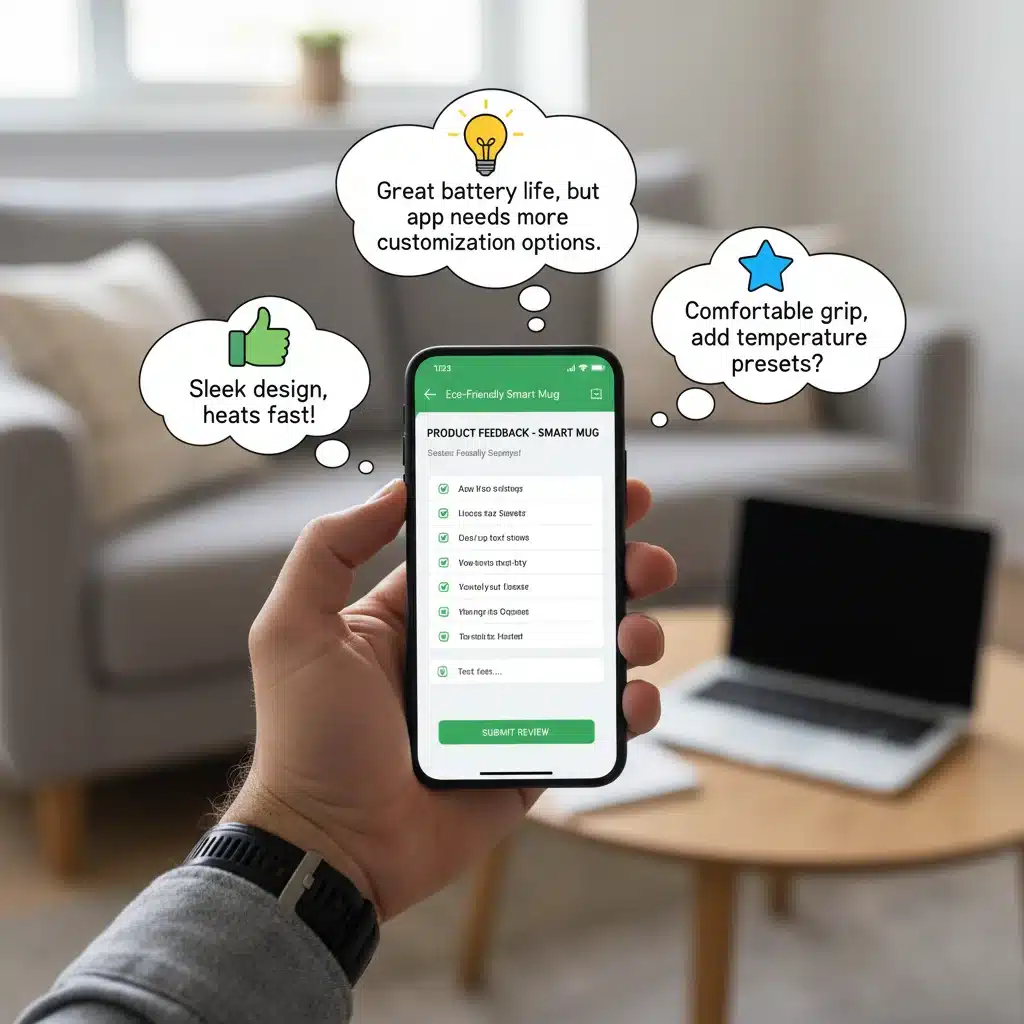
The final step in securing your first product testing opportunities is submitting your feedback. Adhere strictly to the deadline and format requirements. Your feedback is the core of your role as a tester, so ensure it’s comprehensive, clear, and well-articulated.
Key aspects of submitting feedback:
- Completeness: Answer all questions in surveys and address all requested points in written reviews.
- Clarity and Conciseness: Express your thoughts clearly. Use examples to illustrate your points.
- Actionable Insights: Provide suggestions for improvement. What could make the product better?
- Proofread: Before submitting, check for any grammatical errors or typos. Professionalism matters.
After submission, some platforms might have a follow-up process, such as additional surveys or requests for clarification. Respond promptly to these. Once the test is officially closed, you will receive your compensation. Ensure you understand the payment schedule and method.
Maintaining good post-test etiquette, such as not publicly reviewing the product before its official release (unless instructed), is crucial for building a good reputation as a tester and securing future product testing opportunities.
Maximizing Your Long-Term Success in Product Testing
Securing your first product testing opportunity in three weeks is a fantastic achievement, but it’s just the beginning. To thrive in the long term, consider these strategies:
Building a Strong Tester Reputation
Your reputation is your most valuable asset. Consistently providing high-quality, timely, and detailed feedback will make you a preferred tester. Platforms often have internal rating systems for testers, and a high rating increases your chances of being selected for more lucrative or exclusive projects.
- Be Reliable: Always complete tests on time and according to instructions.
- Provide Quality Feedback: Go beyond surface-level observations. Offer deep insights and constructive criticism.
- Be Responsive: Reply promptly to any communications from the testing platform.
Expanding Your Network and Platforms
Once you’ve gained experience on a few platforms, consider expanding your reach. Explore niche testing sites or direct opportunities with companies. Many smaller brands seek direct feedback from consumers and might advertise on their websites or social media. Look for groups on platforms like LinkedIn or Facebook dedicated to product testing.
Diversifying Your Testing Portfolio
Don’t limit yourself to one type of product. The more diverse your testing experience, the more product testing opportunities will become available to you. If you’ve primarily tested tech, try a beauty product or a household item. This broadens your appeal to companies looking for varied consumer perspectives.
Continuous Learning and Improvement
The world of products is constantly evolving, and so should your testing skills. Read reviews by professional critics, understand what makes a good product, and learn to articulate your thoughts more effectively. Pay attention to trends in consumer products and technology. This ongoing learning will enhance the value of your feedback.
Understanding the ‘Why’ Behind the Test
Every product test has an objective. Is the company trying to gauge user-friendliness, identify bugs, or assess market appeal? Understanding the underlying goal of the test can help you tailor your feedback to be more impactful and relevant. This shows a deeper level of engagement and analytical thinking, which is highly valued.
Common Challenges and How to Overcome Them
While product testing is rewarding, it comes with its own set of challenges. Being aware of these and knowing how to overcome them will help you navigate the journey more smoothly.
Challenge 1: Not Getting Selected for Tests
Solution: This is common, especially when starting. Review and update your profile frequently. Ensure it’s as detailed as possible. Apply to a wider range of tests. Remember, it’s often a numbers game. The more you apply, the higher your chances.
Challenge 2: Receiving Unsuitable Products
Solution: This usually stems from an incomplete or inaccurate profile. Double-check your interests and demographics. If you consistently receive products you can’t genuinely test or have no interest in, politely decline the test and update your profile to prevent similar matches in the future.
Challenge 3: Managing Time and Deadlines
Solution: Product testing requires commitment. Use a calendar or reminder system to keep track of testing periods and submission deadlines. Don’t take on more tests than you can realistically handle. Quality over quantity is key.
Challenge 4: Providing Constructive Criticism
Solution: It can be tricky to give negative feedback without sounding overly critical. Focus on objective observations and potential solutions. Instead of saying, ‘This product is terrible,’ try, ‘I found the interface difficult to navigate; perhaps a clearer labeling system for buttons would improve usability.’
Challenge 5: Technical Issues with Products or Platforms
Solution: Technology can be unpredictable. If you encounter a bug in a digital product or a malfunction with a physical product, document it thoroughly. Take screenshots or videos if possible. Immediately report the issue to the testing platform’s support team. They often have protocols for such situations and appreciate prompt reporting.
The Future of Product Testing
The landscape of product testing opportunities is continuously evolving. With advancements in AI and data analytics, companies are becoming even more sophisticated in how they gather and interpret consumer feedback. Virtual reality and augmented reality might open up new avenues for remote product interaction and testing. Staying adaptable and informed about these trends will ensure you remain a valuable asset in the product development cycle.
The gig economy also plays a significant role, making it easier for individuals to participate in flexible, remote work opportunities like product testing. As more companies recognize the value of authentic consumer voices, the demand for dedicated and insightful testers will only grow.
Conclusion: Your Journey to Becoming a Valued Product Tester
Securing your first product testing opportunities in just three weeks is an achievable goal with a structured approach and consistent effort. By meticulously building your profile, actively seeking out and applying for tests, and providing high-quality feedback, you can quickly establish yourself in this exciting field.
Remember, product testing is more than just getting freebies; it’s about being a critical part of innovation, influencing the products that shape our daily lives. With this blueprint, you’re now equipped with the knowledge and strategy to embark on a successful and rewarding journey as a product tester. Good luck, and happy testing!