Product Testing Ethics 2026: Maintaining Integrity and Objectivity in Your Reviews

Anúncios
Product Testing Ethics 2026: Maintaining Integrity and Objectivity in Your Reviews
In an increasingly digital and consumer-driven world, the role of product reviews has never been more critical. Consumers rely heavily on these evaluations to make informed purchasing decisions, and businesses depend on them for feedback, reputation management, and market positioning. However, with the proliferation of online content and the rise of influencer marketing, the integrity of these reviews is constantly under scrutiny. This brings us to a crucial topic for the year 2026 and beyond: product testing ethics. How do we ensure that reviews remain honest, objective, and truly beneficial for everyone involved?
Anúncios
The landscape of product testing is evolving rapidly. From AI-powered analysis to vast communities of beta testers, the methods for evaluating products are becoming more sophisticated. Yet, at the core of every reliable review lies a commitment to ethical principles. Without a strong ethical framework, even the most advanced testing methodologies can be undermined by bias, undisclosed affiliations, or a lack of transparency. This article will delve deep into the essential components of maintaining integrity and objectivity in product reviews in 2026, offering actionable insights for testers, brands, and consumers alike.
The Foundation of Trust: Why Product Testing Ethics Matter
Trust is the currency of the digital age. For consumers, a trustworthy review can mean the difference between a satisfying purchase and buyer’s remorse. For brands, ethical reviews build credibility, foster customer loyalty, and can significantly impact sales. Conversely, unethical practices, such as fake reviews, undisclosed sponsorships, or biased evaluations, erode trust, damage reputations, and can even lead to legal repercussions.
Anúncios
In 2026, with consumer skepticism at an all-time high due to past controversies surrounding influencer marketing and undisclosed paid content, the emphasis on genuine product testing ethics is paramount. Consumers are savvier; they can often spot inauthentic reviews and are quick to call out brands or reviewers who fail to uphold ethical standards. This heightened awareness means that superficial adherence to guidelines is no longer enough. A deep-seated commitment to honesty and transparency is required.
Moreover, the regulatory environment is catching up. Governments and consumer protection agencies worldwide are implementing stricter guidelines for online reviews and endorsements. Failure to comply can result in hefty fines and severe reputational damage. Therefore, understanding and implementing robust product testing ethics is not just good practice; it’s a legal and business imperative.
Key Pillars of Ethical Product Testing in 2026
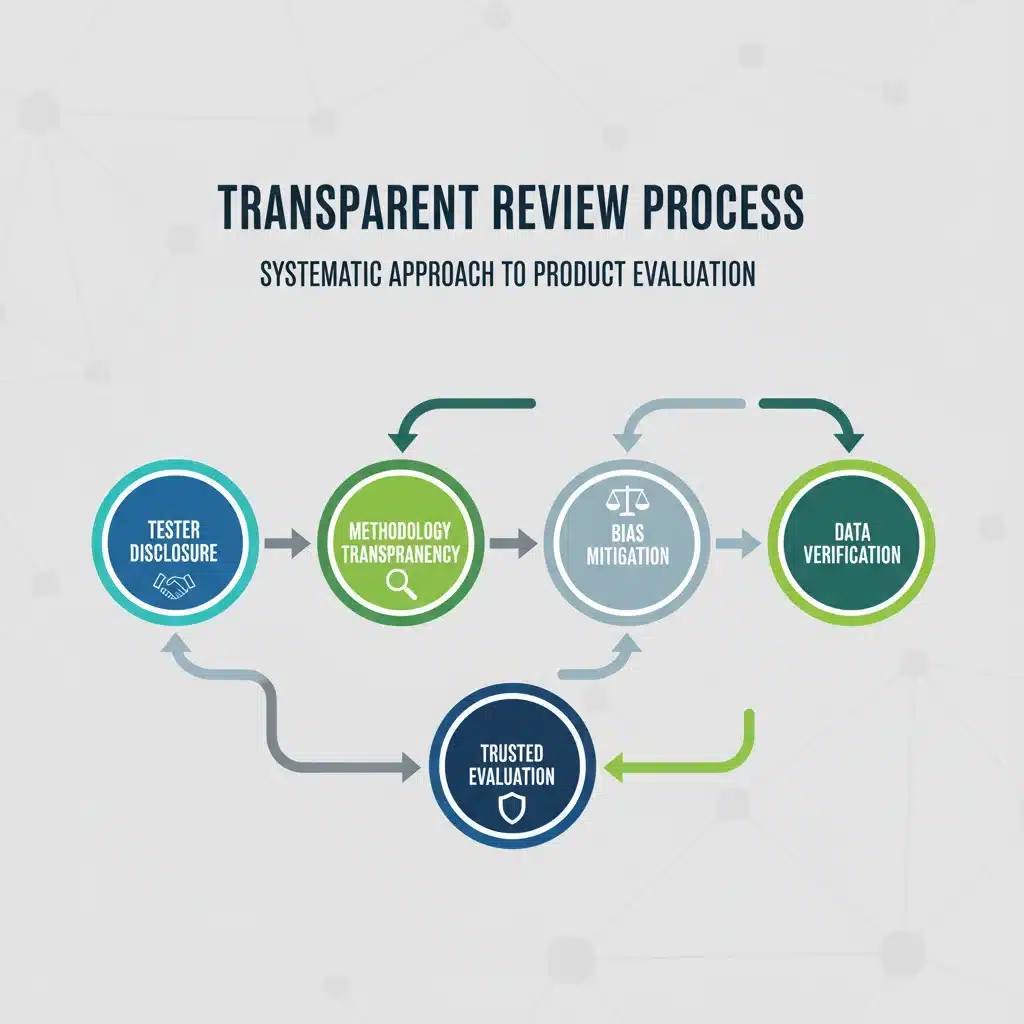
1. Transparency and Disclosure
Transparency is perhaps the most fundamental aspect of ethical product testing. Every tester, reviewer, or influencer must clearly disclose any material connection they have with the brand or product they are reviewing. This includes:
- Paid Sponsorships: If a brand has paid for the review or content, this must be explicitly stated.
- Free Products/Samples: Receiving a product for free, even without monetary compensation, constitutes a material connection and should be disclosed.
- Affiliate Relationships: If the reviewer earns a commission from sales generated through their review, this must be made clear.
- Employment/Partnership: Any direct or indirect employment or partnership with the brand.
In 2026, disclosure should be prominent, easy to understand, and appear at the beginning of the review or content piece. Burying disclaimers in small print or at the end of a long video is no longer acceptable. The goal is to ensure the consumer understands the nature of the relationship before they even begin to consume the review content.
2. Objectivity and Impartiality
Objectivity means evaluating a product based on its merits and flaws, without allowing personal biases, external pressures, or financial incentives to sway the judgment. Achieving true objectivity can be challenging, but it is crucial for credible product testing ethics.
- Independent Evaluation: Testers should strive to evaluate products independently, without direct interference from the brand.
- Balanced Perspective: A truly objective review presents both the positives and negatives of a product. No product is perfect, and acknowledging flaws adds credibility.
- Data-Driven Insights: Where possible, support subjective opinions with objective data, performance metrics, or comparisons with similar products.
- Avoid Conflicts of Interest: Testers should avoid reviewing products from competitors if they have strong affiliations with another brand in the same category, or if they have a personal stake in the success or failure of a particular product.
Training for reviewers on bias awareness and mitigation techniques is becoming standard practice in 2026, helping to foster a more impartial approach to testing.
3. Accuracy and Factual Reporting
The information provided in a review must be accurate and verifiable. Misinformation, exaggeration, or false claims can severely damage a reviewer’s and a brand’s reputation. This pillar of product testing ethics demands:
- Thorough Testing: Products should be tested adequately and under realistic conditions relevant to their intended use.
- Fact-Checking: All technical specifications, claims, and performance data mentioned in the review should be fact-checked against official product documentation or independent sources.
- No Exaggeration: Avoid hyperbole or sensationalism. Stick to describing the product’s performance as observed.
- Corrections: If an error is discovered post-publication, it should be promptly corrected with a clear note indicating the change.
4. Respect for Privacy and Data Security
In 2026, many products, especially smart devices and software, collect user data. Ethical product testing must consider the privacy implications of these products. Reviewers should:
- Assess Data Handling: Evaluate how the product collects, stores, and uses user data, and report on its privacy policy.
- Security Vulnerabilities: If security flaws are discovered during testing, these should be reported responsibly to the brand, allowing them time to fix the issue before public disclosure, unless public safety is immediately at risk.
- Personal Data Protection: Testers must ensure their own personal data, and any data they might temporarily handle during testing, is protected.
5. Fair and Respectful Language
Reviews, even critical ones, should be constructive and professional. Personal attacks, defamatory language, or unnecessary negativity undermine the credibility of the review. The focus should always be on the product and its performance, not on the people behind it. This aspect of product testing ethics encourages:
- Constructive Criticism: Frame negative feedback in a way that helps the brand improve and informs the consumer.
- Avoid Personal Attacks: Direct criticism towards the product, not individuals.
- Professional Tone: Maintain a respectful and professional tone throughout the review.
The Role of AI and Automation in Ethical Product Testing
As we move further into 2026, Artificial Intelligence and automation are playing an increasingly significant role in product testing. AI can analyze vast datasets of user feedback, identify patterns, and even perform automated functional testing. While these technologies offer immense potential for efficiency and scale, they also introduce new ethical considerations for product testing ethics:
- Algorithmic Bias: AI models can perpetuate or amplify existing biases if the training data is not diverse or representative. Ensuring fair and unbiased algorithms for sentiment analysis or predictive performance is crucial.
- Transparency of AI-Generated Reviews: If AI is used to generate or heavily assist in writing reviews, this should be disclosed. Consumers have a right to know if they are reading human-generated content or a machine’s interpretation.
- Data Privacy in AI Testing: AI systems often require large amounts of data. Ethical considerations around data collection, anonymization, and consent are paramount when using AI for testing, especially with user-generated content.
Integrating AI into product testing requires careful oversight to ensure it enhances, rather than compromises, ethical standards.

Best Practices for Brands and Reviewers in 2026
For Brands:
- Clear Guidelines for Testers: Provide explicit ethical guidelines to anyone testing your products, covering disclosure, objectivity, and reporting standards.
- No Editorial Control: Do not demand editorial control over reviews. Allow testers the freedom to express honest opinions, even if critical.
- Support Honest Feedback: Encourage and reward honest, constructive feedback, rather than just positive reviews. This builds long-term trust.
- Respond Ethically to Criticism: Address negative reviews professionally and constructively. Use criticism as an opportunity to improve.
- Combat Fake Reviews: Actively monitor for and report fake or manipulative reviews on third-party platforms.
For Reviewers/Influencers:
- Prioritize Integrity: Your reputation is your most valuable asset. Always prioritize honesty and ethical conduct over short-term gains.
- Be Explicit with Disclosures: Make disclosures clear, prominent, and easy to understand.
- Thoroughly Test Products: Don’t just unbox; truly use and test the product as intended before forming an opinion.
- Educate Your Audience: Help your audience understand what goes into an ethical review and why transparency is important.
- Stay Informed: Keep up-to-date with regulatory changes and industry best practices regarding product testing ethics.
The Future of Product Testing Ethics: Industry Standards and Certifications
Looking ahead to 2026 and beyond, we can anticipate a greater push for standardized ethical frameworks and certifications in product testing. Just as industries have ISO standards for quality management, there may emerge widely recognized certifications for ethical review practices. These could be developed by independent bodies, industry associations, or even consortia of major brands and consumer advocacy groups.
Such standards would provide a clear benchmark for what constitutes ethical product testing, making it easier for consumers to identify trustworthy sources and for brands to demonstrate their commitment to integrity. Imagine a “Certified Ethical Reviewer” badge or a “Transparent Testing Protocol” seal that instantly conveys credibility. This proactive approach would not only protect consumers but also elevate the entire product review ecosystem.
Furthermore, blockchain technology could play a role in verifying the authenticity of reviews and the provenance of products being tested, adding an immutable layer of trust to the review process. While still nascent in this application, the potential for blockchain to enhance product testing ethics by ensuring transparency and preventing tampering is significant.
Addressing Emerging Challenges in Product Testing Ethics
The rapid pace of technological innovation and market dynamics continually presents new ethical challenges. In 2026, some of these include:
- Deepfake Reviews: The emergence of sophisticated deepfake technology could potentially be used to create highly convincing but fake video reviews. Ethical frameworks must evolve to address methods for verifying the authenticity of reviewers.
- AI-Generated Products: As AI becomes more involved in product design and even creation, how do we ethically test products that are themselves AI-driven? This requires new evaluation metrics and considerations for AI bias within the product itself.
- Subscription Model Products: With more products shifting to subscription-based services (Software as a Service, Hardware as a Service), ethical testing must consider the long-term value, ongoing support, and potential for features to be added or removed over time, rather than just an initial purchase.
- Sustainability and Ethical Sourcing: Beyond performance, ethical product testing in 2026 increasingly includes evaluating a product’s environmental impact, supply chain ethics, and social responsibility. This expands the scope of what constitutes a ‘good’ or ‘ethical’ product.
These challenges underscore the need for continuous dialogue, adaptation, and a proactive approach to defining and upholding product testing ethics. It’s not a static set of rules but a living framework that must evolve with technology and societal expectations.
Conclusion: A Shared Responsibility for Ethical Reviews
Maintaining integrity and objectivity in product reviews is a shared responsibility. It falls upon brands to foster an environment that encourages honest feedback, on reviewers to uphold the highest ethical standards, and on consumers to demand transparency and support credible sources. In 2026, the stakes are higher than ever. The volume of products and information, combined with increasing consumer skepticism, means that only those committed to rigorous product testing ethics will truly thrive.
By embracing transparency, striving for objectivity, ensuring accuracy, respecting privacy, and communicating respectfully, we can collectively build a more trustworthy and valuable ecosystem for product evaluation. This commitment not only benefits individual consumers and brands but also strengthens the overall integrity of the digital marketplace. Let us all contribute to a future where every product review is a beacon of honesty and a testament to ethical practice.