Gen Z vs. Millennials: Product Testing Feedback in 2026

Anúncios
Understanding Generational Shifts: How Gen Z’s Feedback Differs from Millennials in 2026 Product Testing
The year is 2026, and the digital landscape continues its rapid evolution, bringing with it profound shifts in consumer behavior and expectations. For businesses striving to remain competitive, understanding their target audience is more critical than ever. Specifically, when it comes to product development and refinement, the feedback loop is paramount. But what happens when your primary user base is composed of two vastly different, yet equally influential, generations: Gen Z and Millennials? The way these groups interact with products, consume information, and, crucially, provide feedback, varies significantly. Mastering the art of extracting actionable insights from both is the key to successful product testing in 2026 and beyond.
This comprehensive guide delves into the nuances of how Gen Z’s product testing feedback differs from that of Millennials. We’ll explore their unique characteristics, preferred communication channels, motivations, and what this means for your product development strategies. By the end, you’ll have a clearer roadmap for designing effective product testing methodologies that resonate with both generations, ensuring your products are not just relevant, but indispensable.
The Millennial Perspective: A Foundation of Digital Adoption
Millennials, generally born between 1981 and 1996, were the pioneers of the digital age. They witnessed the rise of the internet, the advent of social media, and the proliferation of mobile technology. This upbringing has shaped their approach to product testing in several distinct ways:
Anúncios
Detailed and Thoughtful Feedback
Millennials are often characterized by their willingness to provide comprehensive and structured feedback. Having grown up with forums, email, and early online communities, they are accustomed to articulating their thoughts in written form. When asked to test a product, they are more likely to:
- Write detailed reviews: Expect well-structured paragraphs outlining their experience, pros, cons, and suggestions for improvement.
- Engage in surveys: They are generally comfortable with longer surveys that require thoughtful responses, especially if they understand the value of their input.
- Participate in focus groups: Millennials often appreciate the opportunity for in-depth discussion and collaboration in a structured setting.
- Value utility and practicality: Their feedback often centers on functionality, ease of use, and how a product integrates into their daily lives to solve a problem or enhance an experience.
Channel Preferences for Feedback
For Millennials, traditional digital channels remain strong. Email is a preferred method for formal communication, and they are comfortable navigating dedicated feedback portals or beta testing platforms. Social media, while used for consumption, might not be their primary channel for providing detailed, constructive criticism in a formal product testing context, though they are adept at public reviews.
Anúncios
Motivation for Participation
Millennials are often motivated by a desire to contribute, to see their ideas implemented, and to be part of a community. They appreciate transparency and feeling heard. Incentives like early access to new features, discounts, or even a sense of exclusive participation can be highly effective.
The Gen Z Paradigm: Instant, Visual, and Authentic Feedback
Gen Z, born roughly between 1997 and 2012, are true digital natives. They have never known a world without smartphones, social media, and instant gratification. This constant connectivity and immersion in a highly visual, fast-paced digital environment profoundly influences their approach to product testing. Their feedback style is often a stark contrast to their Millennial predecessors.
Concise and Visual Feedback
For Gen Z, time is a precious commodity, and communication is often condensed. They prefer:
- Short-form content: Think TikTok-style video reviews, Instagram stories, or quick snaps with annotations.
- Visual cues: Screenshots, emojis, GIFs, and short video clips are their native language for expressing satisfaction or frustration.
- Direct and informal language: They are less likely to use formal language and more inclined to be direct, sometimes even blunt, in their assessments.
- Experiential focus: Their feedback often highlights the overall ‘vibe,’ the immediate emotional response, and how a product makes them ‘feel’ in the moment, rather than just its functional aspects.
Channel Preferences for Feedback
Gen Z lives and breathes on social media platforms like TikTok, Instagram, Snapchat, and YouTube. They are also highly active in gaming communities and instant messaging apps. Therefore, effective product testing for Gen Z needs to meet them where they are:
- In-app feedback mechanisms: Seamless, quick ways to provide feedback directly within the product interface.
- Social media integration: Encouraging feedback through polls, stories, or direct messages on their preferred platforms.
- Micro-surveys: Very short, engaging surveys that can be completed in seconds, often gamified.
- Video submissions: Providing platforms for users to upload short video reviews or demonstrations of their experience.
Motivation for Participation
Gen Z is driven by authenticity, social impact, and personal expression. They are more likely to participate if they feel their voice genuinely matters, if the process is fun and engaging, and if there’s a clear link to a positive outcome, whether for themselves or a cause they care about. Monetary incentives are often less impactful than the opportunity for recognition, influence, or contributing to a brand they admire.
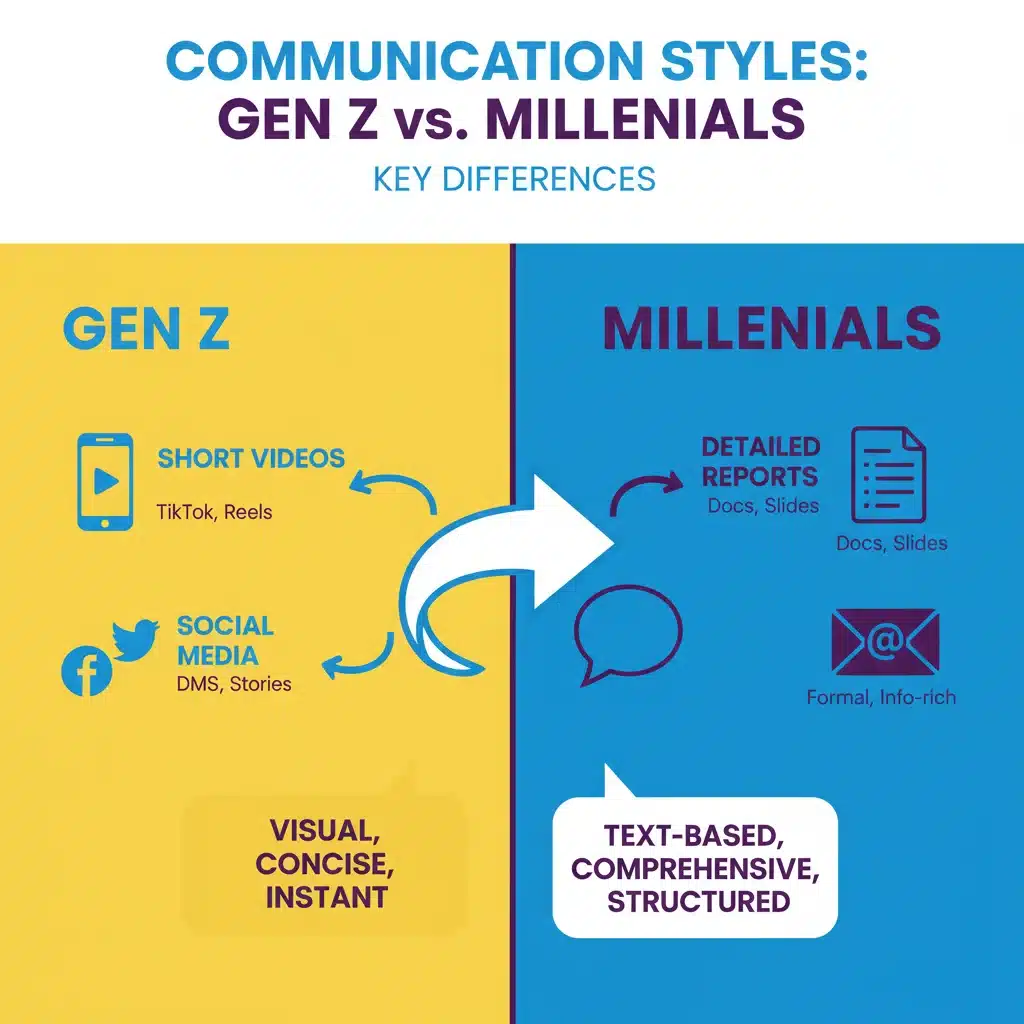
Key Differences Summarized for Gen Z Product Testing vs. Millennials
To effectively harness the power of both generations in product testing, it’s crucial to understand these core distinctions:
| Aspect | Millennials (1981-1996) | Gen Z (1997-2012) |
|---|---|---|
| Feedback Style | Detailed, written, structured, analytical | Concise, visual, emotional, experiential |
| Preferred Channels | Email, dedicated feedback platforms, longer surveys, focus groups | In-app, social media (TikTok, Instagram), micro-surveys, video submissions, instant messaging |
| Communication Tone | Formal to semi-formal, articulate, comprehensive | Informal, direct, use of emojis/visuals, authentic |
| Motivation | Contribution, community, seeing ideas implemented, transparency, early access | Authenticity, personal expression, influence, fun/engagement, social impact, recognition |
| Focus of Feedback | Functionality, utility, problem-solving, integration into daily life | Overall experience, ‘vibe’, immediate emotional response, trend relevance, ease of use |
| Patience Level | Higher tolerance for longer tasks and processes | Lower tolerance for long processes, prefers instant gratification |
Adapting Product Testing Strategies for 2026 and Beyond
Given these differences, a one-size-fits-all approach to product testing is no longer viable. Businesses must adopt a multi-faceted strategy that caters to the unique preferences of both Gen Z and Millennials. Here’s how:
1. Diversify Feedback Channels and Formats
- For Millennials: Continue to offer traditional channels like detailed surveys, email correspondence, and structured beta testing programs. Ensure these platforms are user-friendly and clearly communicate how their feedback will be used.
- For Gen Z: Integrate feedback mechanisms directly into your product. Think about pop-up polls within the app, quick rating systems, or even prompts to record a short video review. Leverage social media for quick, engaging feedback campaigns. Consider partnering with micro-influencers from Gen Z to test and review products organically.
2. Tailor Communication Style
- For Millennials: Use clear, professional language. Explain the ‘why’ behind the testing and the potential impact of their feedback. Provide regular updates on how their input is being utilized.
- For Gen Z: Adopt a more casual, authentic, and direct tone. Use visual aids. Frame feedback requests as opportunities for them to express themselves and influence the future of a product they care about. Speak their language – literally, with relevant memes and trends if appropriate, but always authentically.
3. Optimize Incentives
- For Millennials: Offer early access to exclusive features, discounts, or recognition within a community. Highlight how their feedback directly leads to product improvements.
- For Gen Z: Focus on experiential rewards, opportunities for social recognition (e.g., featuring their video review on your social channels), or chances to co-create. Gamification elements can also be highly effective, turning feedback into a fun challenge.
4. Embrace Visual and Experiential Feedback
This is particularly crucial for Gen Z product testing. Design your feedback collection tools to easily accommodate:
- Screenshots and annotations: Allow users to quickly capture and mark up issues directly on their screen.
- Short video clips: Enable them to record quick videos demonstrating problems or showcasing features they love.
- Voice notes: An increasingly popular option for quick, informal feedback.
- Emoji-based ratings: Simple, intuitive ways to convey sentiment without typing.
5. Leverage AI and Analytics for Deeper Insights
With the sheer volume and varied formats of feedback, especially from Gen Z, AI-powered sentiment analysis and natural language processing (NLP) tools will be indispensable in 2026. These technologies can help you:
- Analyze unstructured data: Extract themes and sentiment from video transcripts, social media comments, and voice notes.
- Identify trends: Quickly spot emerging patterns in user behavior and preferences across different generational cohorts.
- Quantify qualitative feedback: Assign scores or categories to experiential feedback, making it easier to compare and prioritize.

6. Foster a Sense of Community and Co-creation
Both generations, albeit for different reasons, appreciate being part of something larger. For Millennials, it’s about contributing to a better product. For Gen Z, it’s about being seen, heard, and influencing. Create platforms or initiatives where users feel like co-creators. This could involve:
- User advisory boards: Formal or informal groups that regularly provide input.
- Public roadmaps: Showing users what’s coming and how their feedback is shaping it.
- Beta programs with direct communication: Allowing testers to interact directly with product teams.
Case Study: A Hypothetical Scenario in 2026
Imagine a tech company, ‘InnovateTech,’ is launching a new AI-powered personal assistant app. They need to conduct product testing across both Gen Z and Millennial demographics.
InnovateTech’s Approach:
- Millennial Testing: They invite a select group of Millennials to a private beta program via email. The program includes access to a detailed feedback portal with structured surveys, bug reporting features, and a forum for in-depth discussions. Incentives include a year’s free premium subscription and early access to all future InnovateTech products. Their feedback focuses on the AI’s accuracy, integration with existing smart home devices, and data privacy concerns.
- Gen Z Product Testing: For Gen Z, InnovateTech launches a ‘Design Your AI’ challenge on TikTok. Users are encouraged to create short videos showcasing how they would use the AI, what features they’d add, or even ‘duet’ with InnovateTech’s promotional content, reacting to the app’s capabilities. They also integrate a simple “Thumbs Up/Down” and a quick voice note feature directly into the app’s testing build. The most creative and insightful videos are featured on InnovateTech’s official social channels, and a few top contributors are invited to a virtual ‘co-creation’ session with the development team. Their feedback centers on the AI’s personality, its ability to understand slang and current trends, and its seamless integration into their social media habits.
By employing these distinct yet complementary strategies, InnovateTech gathers a rich tapestry of feedback, addressing both the functional robustness (Millennials) and the experiential appeal (Gen Z) of their new product.
The Future of Product Testing: A Hybrid Approach
As we move further into the 2020s, the lines between these generational preferences may blur, and new generations will emerge with their own unique traits. However, the fundamental lesson remains: successful product testing is about empathy and adaptability. It’s about understanding that different users have different needs, expectations, and ways of communicating.
The rise of Gen Z product testing highlights the growing importance of:
- Contextual feedback: Capturing feedback when and where the user is experiencing the product.
- Micro-interactions: Designing for quick, intuitive feedback loops.
- Authenticity: Building genuine connections with users and valuing their raw, unfiltered opinions.
- Visual communication: Moving beyond text to embrace images, videos, and interactive elements.
For businesses, this means investing in versatile feedback tools, training product teams to interpret diverse data types, and fostering a culture that values all forms of user input. The goal isn’t to choose between Gen Z and Millennials, but to build products that resonate with both, creating a broader, more loyal user base.
Conclusion
The differences in how Gen Z and Millennials approach product testing are not obstacles, but rather opportunities. By recognizing and adapting to their distinct feedback styles, preferred channels, and motivations, companies in 2026 can unlock a deeper, more holistic understanding of their products’ strengths and weaknesses. Millennial users will continue to provide the detailed, analytical insights that ensure functionality and robustness, while Gen Z will offer the immediate, experiential, and trend-aware feedback that drives engagement and cultural relevance. Integrating these perspectives effectively is not just about refining products; it’s about building a future where products are truly designed for everyone, reflecting the diverse and dynamic needs of a multi-generational digital society. Embrace the generational shifts, and transform your product testing into a powerful engine for innovation and user satisfaction.