2026 Consumer Privacy Shifts: Navigating New Data Regulations & Online Shopping

Anúncios
The Latest 2026 Consumer Privacy Shifts: How New Data Regulations Impact Your Online Shopping Habits
The digital world is in a constant state of flux, and nowhere is this more evident than in the realm of consumer privacy. As we inch closer to 2026, a new wave of data regulations is poised to redefine how our personal information is collected, used, and protected online. These upcoming consumer privacy shifts aren’t just minor adjustments; they represent a fundamental rebalancing of power between individuals and the corporations that collect their data. For anyone who shops online – which is virtually everyone – understanding these changes is not just important, it’s essential for maintaining control over your digital footprint and making informed purchasing decisions.
Gone are the days when companies could operate with relative impunity when it came to data collection. Public awareness about data breaches, the value of personal information, and the potential for misuse has reached an all-time high. This heightened awareness, coupled with a growing global movement towards stronger data protection, has accelerated the push for more robust legislative frameworks. The 2026 landscape promises to be one where transparency, consent, and individual rights are not just buzzwords, but legally enforceable mandates. This article will delve into the specifics of these anticipated consumer privacy shifts, explore their implications for your online shopping experience, and provide actionable advice on how to adapt and thrive in this evolving digital environment.
Anúncios
Understanding the Driving Forces Behind the 2026 Consumer Privacy Shifts
To fully grasp the magnitude of the upcoming consumer privacy shifts, it’s crucial to understand the forces propelling them. Several key factors are converging to create this new regulatory landscape, each playing a significant role in shaping the future of data privacy.
The Evolution of Data Protection Legislation
The General Data Protection Regulation (GDPR) in Europe was a watershed moment, setting a global benchmark for data privacy. Since its implementation, many other jurisdictions have followed suit, introducing their own versions of comprehensive data protection laws. The California Consumer Privacy Act (CCPA) and its successor, the California Privacy Rights Act (CPRA), are prime examples in the United States. What we are seeing now is not just a proliferation of these laws, but a maturation and convergence of principles. By 2026, we anticipate more harmonized, yet potentially more stringent, requirements that build upon the foundations laid by GDPR and CCPA. These new regulations aim to close loopholes, address emerging technologies, and grant consumers even greater control over their data. The focus is shifting from simply informing users to actively empowering them with granular control and enforceable rights.
Anúncios
Technological Advancements and Data Collection
The rapid pace of technological innovation has outstripped existing privacy frameworks. Artificial intelligence, machine learning, the Internet of Things (IoT), and advanced analytics allow companies to collect, process, and infer insights from data at an unprecedented scale and speed. While these technologies offer immense benefits, they also present new privacy challenges. The 2026 consumer privacy shifts are designed to address these challenges head-on, ensuring that privacy protections keep pace with technological capabilities. For instance, regulations might focus on algorithmic transparency, the ethical use of AI in profiling, and stricter rules around data collected from connected devices in our homes and cars. This means that even the seemingly innocuous smart refrigerator or fitness tracker could fall under the purview of these new privacy mandates.
Increased Consumer Awareness and Demand for Privacy
Perhaps the most significant driver of these changes is the evolving mindset of consumers themselves. High-profile data breaches, revelations about data sharing practices, and a general unease about constant tracking have made privacy a top concern for many. Consumers are no longer passively accepting the status quo; they are actively demanding greater transparency, control, and accountability from companies. This shift in consumer sentiment is putting pressure on lawmakers and businesses alike to prioritize privacy. Brands that fail to adapt risk not only legal penalties but also significant reputational damage and loss of customer trust. The market is increasingly rewarding companies that demonstrate a strong commitment to protecting user data, making privacy a competitive differentiator rather than just a compliance burden.
Key Pillars of the 2026 Consumer Privacy Shifts
While the exact details of all upcoming regulations are still being finalized, several core principles are expected to underpin the 2026 consumer privacy shifts. These pillars will form the bedrock of new data protection standards and directly influence your online shopping experience.
Enhanced Consent Mechanisms
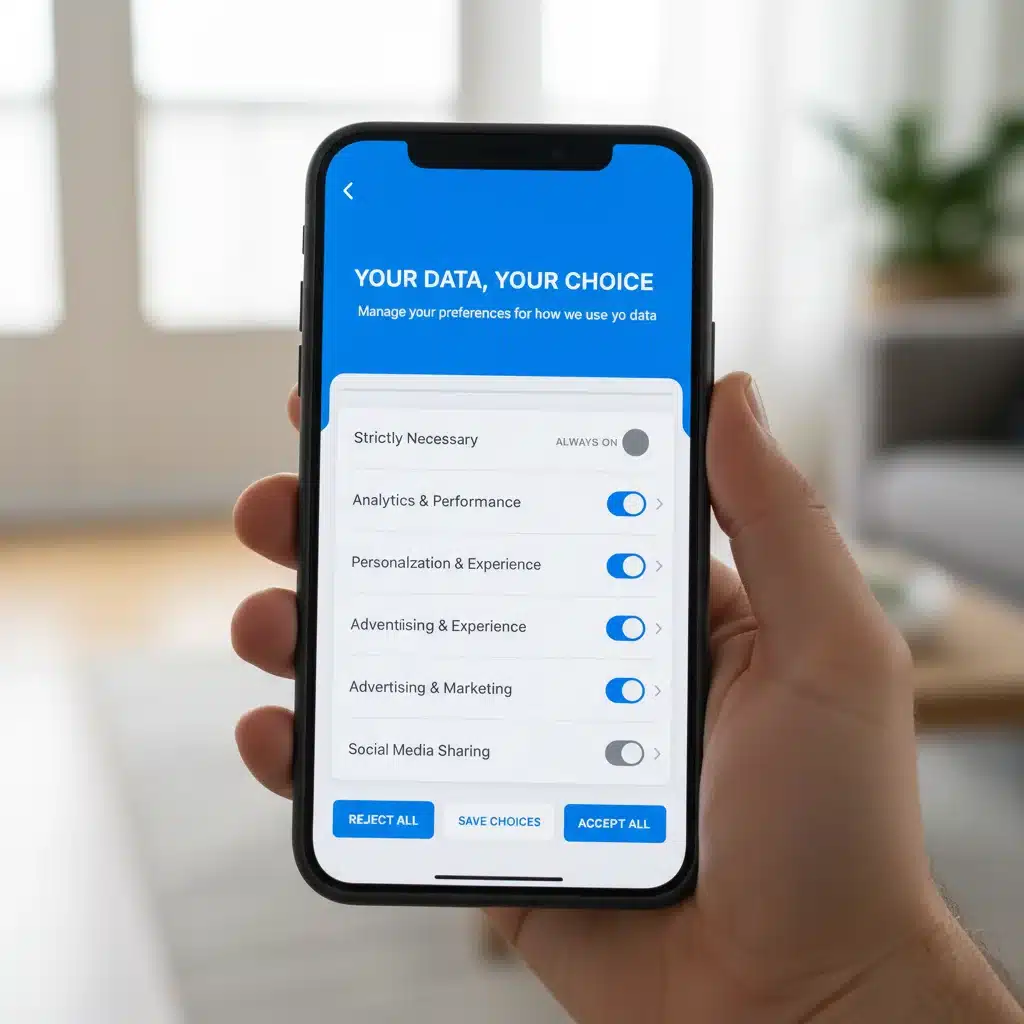
Expect a move towards more explicit, informed, and granular consent. The days of pre-ticked boxes and vague privacy policies are rapidly coming to an end. New regulations will likely require companies to obtain clear, affirmative consent for each specific purpose for which data is collected. This means you’ll have more control over what data is shared for marketing, analytics, personalization, and third-party services. Websites and apps will need to make it easier for you to understand what you’re agreeing to and to withdraw consent at any time without penalty. This shift empowers consumers to make more deliberate choices about their data, moving away from the ‘take it or leave it’ approach that has often characterized online interactions.
Strengthened Data Rights for Individuals
The ‘right to know,’ ‘right to delete,’ and ‘right to opt-out’ will become more universally recognized and enforceable. Consumers will likely gain expanded rights, such as the right to data portability (easily transferring your data from one service to another) and potentially even a ‘right to explanation’ regarding automated decision-making that affects them. This means you’ll have greater power to access the data companies hold about you, request its correction or deletion, and prevent its sale or sharing with third parties. For online shoppers, this translates to more transparency about your purchasing history, browsing behavior, and profile information held by retailers, giving you the ability to manage your digital identity more effectively.
Increased Focus on Data Minimization and Purpose Limitation
The principle of data minimization – collecting only the data absolutely necessary for a specified purpose – will be heavily emphasized. Companies will be challenged to justify every piece of data they collect. Similarly, purpose limitation dictates that data collected for one purpose cannot be used for another unrelated purpose without explicit consent. This means that online retailers will need to be more precise about why they need your information and how they intend to use it. This move aims to reduce the vast amounts of superfluous data often collected, thereby reducing the risk of misuse and breaches. For consumers, this could mean fewer irrelevant marketing emails and more targeted, value-driven interactions.
Accountability and Data Governance
Businesses will face increased accountability for how they handle personal data. This includes implementing robust data governance frameworks, conducting regular data protection impact assessments, and demonstrating compliance through comprehensive record-keeping. Penalties for non-compliance are expected to remain significant, if not increase, encouraging companies to embed privacy by design into their systems and processes from the outset. This shift places a greater burden on organizations to proactively protect data, rather than reacting to breaches. For consumers, this offers a greater assurance that the companies they interact with are taking their data protection responsibilities seriously, fostering a more trustworthy online ecosystem.
How These Consumer Privacy Shifts Will Impact Your Online Shopping
The upcoming consumer privacy shifts are not abstract legal concepts; they will have tangible effects on your everyday online shopping experience. Understanding these impacts can help you navigate the new landscape more effectively.
More Control Over Personalization and Targeted Ads
One of the most immediate impacts will be on personalization and targeted advertising. While many consumers appreciate relevant product recommendations, the line between helpful and intrusive has often been blurred. With enhanced consent mechanisms, you’ll have more power to decide how much of your browsing history, purchase data, and demographic information is used to tailor your shopping experience. You might see more explicit options to opt-in or opt-out of personalized ads, or to choose specific categories of data you’re comfortable sharing. This could lead to a less ‘creepy’ online experience, where advertisements feel more like suggestions and less like surveillance.
Changes in Cookie Consent Banners and Tracking
Expect cookie consent banners to become more detailed and user-friendly. Instead of just an ‘Accept All’ or ‘Decline All’ option, you’ll likely encounter more granular controls, allowing you to select which types of cookies (e.g., essential, analytics, marketing) you consent to. Furthermore, the use of third-party tracking cookies may become significantly more restricted, potentially leading to a decline in cross-site tracking. This means your browsing activity on one website might be less likely to influence the ads you see on an entirely different site. This shift could lead to a less fragmented and more private browsing experience, reducing the feeling of being constantly followed across the internet.
Increased Transparency from Online Retailers
Online retailers will be compelled to be more transparent about their data practices. This includes clearer, more readable privacy policies that explain in plain language what data they collect, why they collect it, who they share it with, and how long they retain it. You should also find it easier to access your data, request corrections, or initiate deletion requests directly through retailer websites or dedicated privacy portals. This increased transparency will allow you to make more informed decisions about which retailers you trust with your personal information, fostering a more ethical marketplace.
Potential for Fewer (But More Relevant) Promotions
While some consumers might initially notice a reduction in the sheer volume of personalized promotions, the ones you do receive are likely to be more relevant and genuinely useful. As companies focus on obtaining explicit consent and adhering to data minimization, their marketing efforts will become more targeted and respectful of your preferences. This could lead to a higher quality of promotional content, reducing inbox clutter and making your shopping experience more efficient. It encourages a shift from mass marketing to a more personalized, permission-based approach.
Impact on Cross-Border Shopping and Data Transfers
For those who engage in international online shopping, the consumer privacy shifts will also have implications for cross-border data transfers. Regulations will likely strengthen requirements for data flowing between different jurisdictions, ensuring that personal data receives adequate protection regardless of where it is processed. This might mean that some international retailers need to adapt their services or data handling practices to comply with specific regional laws, potentially affecting how you interact with them or even the availability of certain services. This ensures that your data is protected even when it leaves your home country, providing a more consistent level of privacy globally.

Preparing for the 2026 Consumer Privacy Shifts: What You Can Do
While businesses bear the primary responsibility for compliance, consumers also have a role to play in navigating these changes. Being proactive can help you maintain control over your data and enhance your online shopping experience.
Review and Update Your Privacy Settings Regularly
Make it a habit to regularly review the privacy settings on your most frequently used online shopping platforms, social media sites, and other digital services. As new regulations come into effect, these platforms will likely introduce new privacy controls and options. Take the time to understand them and adjust your preferences to align with your comfort level. Don’t just click ‘accept’ without reading; actively manage your digital footprint.
Read Privacy Policies (Yes, Really!)
While often lengthy, privacy policies are becoming more transparent and user-friendly due to regulatory pressure. Make an effort to skim or read the key sections of privacy policies, especially for new services or when significant updates are announced. Pay attention to what data is collected, how it’s used, and whether it’s shared with third parties. This knowledge empowers you to make informed decisions about who you trust with your information.
Utilize Privacy-Enhancing Tools and Browsers
Consider using privacy-focused web browsers (e.g., Brave, Firefox Focus), browser extensions (e.g., uBlock Origin, Privacy Badger), and virtual private networks (VPNs). These tools can help block trackers, encrypt your internet traffic, and provide an additional layer of protection against unwanted data collection. While not a substitute for regulatory compliance, they offer personal control over your immediate browsing environment.
Be Mindful of the Data You Share
Practice data minimalism in your own interactions. Only provide the information that is absolutely necessary when signing up for services or making purchases. Think twice before sharing optional personal details, especially those that are not directly relevant to the transaction or service. The less data you put out there, the less there is to potentially be misused or compromised. This simple habit can significantly reduce your digital exposure.
Exercise Your Data Rights
Familiarize yourself with your data rights (e.g., right to access, delete, correct). If you have concerns about how a company is handling your data, don’t hesitate to exercise these rights. Most companies will provide mechanisms (often through their privacy policy or a dedicated privacy portal) to submit data requests. By actively engaging with these rights, you reinforce the importance of privacy and encourage businesses to maintain high standards.
The Future of Online Shopping in a Privacy-Centric World
The 2026 consumer privacy shifts mark a significant turning point in the digital economy. While they may present initial challenges for businesses and require some adaptation from consumers, the long-term benefits are substantial. A world where personal data is treated with greater respect and transparency is a world where consumers can engage in online shopping with more confidence and trust. This new era promises a more equitable digital landscape where individuals have genuine control over their digital identities.
For businesses, adapting to these changes isn’t just about avoiding penalties; it’s about building stronger, more trustworthy relationships with their customers. Companies that embrace privacy as a core value will likely be the ones that thrive in this evolving environment, attracting and retaining customers who value their data protection. For consumers, these shifts offer an unprecedented opportunity to reclaim agency over their personal information, fostering a safer, more transparent, and ultimately more enjoyable online shopping experience. Staying informed and proactive will be your best allies as we navigate these exciting and necessary changes together.