Consumer Behavior 2026: Digital Adoption Surges 25% – Key Metrics Revealed

Anúncios
Consumer Behavior in 2026: 4 Key Digital Adoption Metrics Showing a 25% Increase This Year
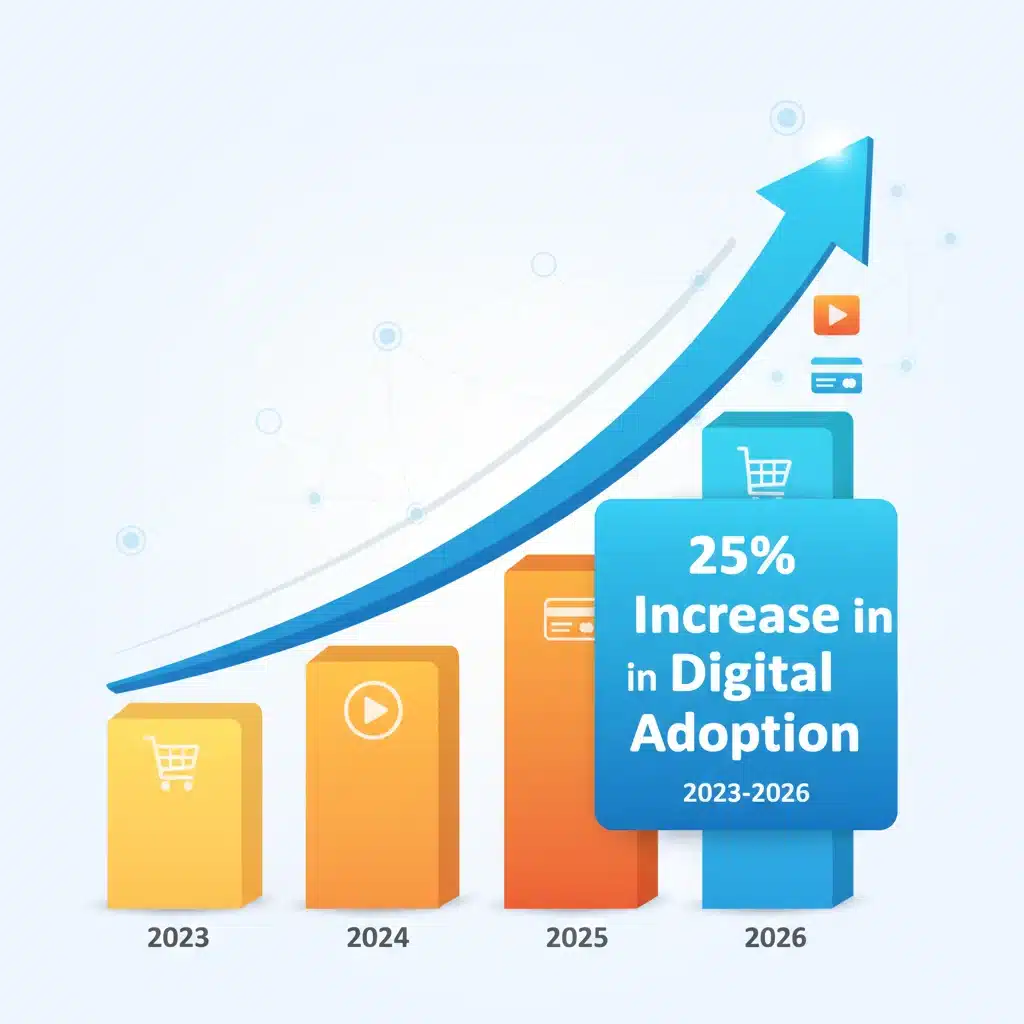
The landscape of consumer behavior is in a constant state of flux, driven by rapid technological advancements and evolving societal norms. As we peer into 2026, one trend stands out with undeniable clarity: a significant surge in digital adoption. This isn’t just a minor uptick; we’re witnessing a robust 25% increase in key digital adoption metrics this year alone, fundamentally reshaping how businesses interact with their customers and how consumers engage with products and services. Understanding these shifts is not merely beneficial; it’s imperative for any organization aiming to thrive in the coming years. This article will delve into the four pivotal digital adoption metrics that are defining this transformative period, providing actionable insights for businesses to adapt and excel.
The Unstoppable Rise of Digital Adoption
Before we dissect the specific metrics, it’s crucial to grasp the overarching phenomenon of digital adoption. It refers to the process by which individuals and organizations embrace and integrate digital technologies into their daily lives and operations. This isn’t just about having access to technology; it’s about actively using it, becoming proficient, and relying on it for various tasks – from communication and commerce to entertainment and education. The 25% increase we’re observing isn’t uniform across all demographics or technologies, but it points to a broader societal shift towards digital-first interactions. This acceleration is fueled by several factors, including the lingering effects of global events that pushed many towards digital solutions, continuous innovation in user-friendly interfaces, and the increasing ubiquity of high-speed internet and smart devices.
For businesses, this means that the traditional customer journey is becoming increasingly digitized. From initial awareness and research to purchase and post-purchase support, consumers are expecting seamless, intuitive, and efficient digital experiences. Those who fail to meet these expectations risk being left behind. The focus for companies must now be on understanding and optimizing these digital adoption metrics to ensure their strategies resonate with the modern consumer.
Metric 1: Increased Usage of Digital Payment Solutions
One of the most striking indicators of escalating digital adoption is the dramatic rise in the use of digital payment solutions. This encompasses everything from mobile wallets (Apple Pay, Google Pay), peer-to-peer payment apps (Venmo, PayPal), and contactless card payments to cryptocurrency transactions. The convenience, speed, and security offered by these methods have made them increasingly attractive to consumers worldwide. We’re seeing a significant portion of the 25% increase in digital adoption metrics directly attributable to this shift.
Anúncios
Why Digital Payments are Surging
- Convenience: The ability to pay with a tap of a phone or watch, or a few clicks online, eliminates the need for physical cash or cards, streamlining the transaction process.
- Security: Advanced encryption and tokenization technologies make digital payments often more secure than traditional methods, reducing the risk of fraud.
- Speed: Transactions are processed almost instantly, improving efficiency for both consumers and merchants.
- Integration: Digital payment solutions are increasingly integrated into various platforms, from e-commerce sites to in-store POS systems, making them ubiquitous.
Businesses must ensure their payment gateways are robust, diverse, and user-friendly. Offering multiple digital payment options is no longer a luxury but a necessity. Companies that have embraced this trend are reporting higher conversion rates and improved customer satisfaction. The data clearly indicates that consumers are actively seeking out retailers and service providers that support their preferred digital payment methods. Ignoring this crucial aspect of digital adoption metrics would be a critical oversight.
Metric 2: Higher Engagement with E-commerce and Online Services
The sustained growth of e-commerce and online services represents another cornerstone of the 25% surge in digital adoption. While online shopping has been a prevalent trend for years, 2026 is seeing an intensification, with consumers not only purchasing more goods online but also increasingly relying on digital platforms for services such as telehealth, online education, virtual fitness classes, and subscription-based entertainment. This isn’t just about buying products; it’s about living a digitally-enabled lifestyle.
Key Aspects of E-commerce and Online Service Engagement
- Subscription Economy Boom: The proliferation of subscription boxes, streaming services, and software-as-a-service (SaaS) models indicates a consumer preference for convenience and curated experiences delivered digitally.
- Omnichannel Expectations: Consumers expect a seamless experience across all touchpoints, whether they’re browsing on a mobile app, interacting with a chatbot, or picking up an online order in-store.
- Personalization at Scale: Advanced AI and data analytics allow businesses to offer highly personalized recommendations and experiences, driving deeper engagement and loyalty.
- Mobile-First Approach: A significant portion of online engagement happens via mobile devices, necessitating responsive design and optimized mobile user experiences.
For businesses, this metric underscores the importance of a strong online presence, intuitive user interfaces, and robust digital infrastructure. Investing in e-commerce platforms, optimizing mobile experiences, and leveraging data for personalization are no longer competitive advantages but baseline requirements. The companies that excel in these areas are the ones capturing a larger share of the digitally adopted consumer market. Monitoring these digital adoption metrics related to e-commerce is vital for strategic planning.
Metric 3: Increased Adoption of Smart Home Devices and IoT Ecosystems
The expansion of smart home devices and the Internet of Things (IoT) ecosystems is a powerful testament to the growing comfort and reliance consumers have on interconnected digital technologies. From smart thermostats and lighting systems to voice-activated assistants and security cameras, these devices are weaving digital control into the fabric of daily life. The integration of these devices creates a seamless, automated environment that enhances convenience and efficiency, contributing significantly to the overall increase in digital adoption metrics.

The Impact of Smart Home and IoT
- Convenience and Automation: Consumers are embracing devices that automate routine tasks, from adjusting home temperatures to ordering groceries with voice commands.
- Energy Efficiency: Smart home devices often offer features that help consumers monitor and reduce energy consumption, appealing to environmentally conscious individuals.
- Enhanced Security: Smart security systems and cameras provide peace of mind and remote monitoring capabilities.
- Voice Assistant Integration: Voice assistants like Alexa and Google Assistant are becoming central hubs for controlling various smart devices, simplifying interactions.
Businesses in sectors ranging from home goods and electronics to energy providers and security services need to consider how their offerings integrate into this evolving IoT landscape. Developing compatible products, offering seamless connectivity, and understanding the user journey within a smart home ecosystem are crucial. This trend highlights a deeper level of digital integration, where technology moves beyond screens and into the physical environment of the consumer. The 25% rise in digital adoption is significantly influenced by this growing comfort with ambient intelligence and connected devices.
Anúncios
Metric 4: Greater Reliance on Digital Communication and Collaboration Tools
The final key metric contributing to the 25% increase in digital adoption is the sustained and intensified reliance on digital communication and collaboration tools. This extends beyond professional settings to personal interactions, with platforms like messaging apps (WhatsApp, Telegram), video conferencing tools (Zoom, Google Meet), and social media networks serving as primary channels for connecting with family, friends, and communities. While some might argue these tools were already widely adopted, the current trend indicates a deeper integration and a more fundamental shift away from traditional communication methods.
Evolution of Digital Communication
- Hybrid Work Models: The permanence of hybrid work has solidified the role of video conferencing and project management tools as essential for productivity and team cohesion.
- Community Building: Digital platforms are increasingly used for building and maintaining communities of interest, from online forums to social media groups.
- Customer Support: Consumers are opting for digital channels (chatbots, social media DMs, in-app messaging) for customer service, expecting quick and efficient responses.
- Asynchronous Communication: The rise of tools that facilitate communication without requiring real-time interaction (e.g., Slack, Trello) indicates a preference for flexible and efficient information exchange.
For businesses, this means rethinking customer service strategies, internal communication protocols, and marketing outreach. Engaging with customers on their preferred digital communication channels, providing prompt and personalized support through chatbots and messaging apps, and fostering online communities are essential. The companies that master these aspects of digital communication will build stronger relationships and enhance customer loyalty. Understanding the nuances of these digital adoption metrics related to communication is critical for maintaining relevance.
Implications for Businesses: Adapting to the Digital-First Consumer
The 25% surge in these digital adoption metrics isn’t just a statistical anomaly; it’s a clear signal that consumer expectations have fundamentally shifted. Businesses that fail to recognize and adapt to this digital-first mindset risk obsolescence. Here are several strategic implications:
1. Invest in Robust Digital Infrastructure
A seamless digital experience starts with a strong foundation. This means investing in scalable cloud solutions, secure data management systems, and high-performance websites and mobile applications. Latency, bugs, or security breaches can quickly erode consumer trust and drive them to competitors.
2. Prioritize User Experience (UX) and User Interface (UI)
With increased digital adoption comes higher expectations for intuitive, easy-to-use interfaces. Whether it’s an e-commerce checkout process, a mobile banking app, or a smart home device interface, the user experience must be frictionless and enjoyable. Poor UX/UI is a major deterrent for digitally savvy consumers.
3. Embrace Data Analytics for Personalization
The sheer volume of digital interactions generates vast amounts of data. Businesses must leverage advanced analytics and AI to understand consumer behavior, predict preferences, and deliver highly personalized experiences. From tailored product recommendations to customized marketing messages, personalization is key to driving engagement and conversions.
4. Develop an Omnichannel Strategy
Consumers no longer distinguish sharply between online and offline channels. They expect a cohesive and consistent experience regardless of the touchpoint. An effective omnichannel strategy integrates all customer interaction points – physical stores, websites, mobile apps, social media, customer service – to provide a unified journey.
5. Focus on Digital Trust and Security
As consumers increasingly rely on digital platforms for sensitive transactions and personal data, trust and security become paramount. Businesses must implement robust cybersecurity measures, clearly communicate data privacy policies, and demonstrate a commitment to protecting customer information. A breach of trust can have devastating consequences.
6. Foster Digital Literacy and Support
While digital adoption is soaring, not all consumers are equally tech-savvy. Businesses should provide clear, accessible support and resources to help users navigate their digital offerings. This could include intuitive onboarding processes, comprehensive FAQs, responsive customer service, and even educational content.
The Future is Now: Sustaining Digital Growth
The 25% increase in digital adoption metrics is not a fleeting trend but a solidification of a new norm. The convenience, efficiency, and interconnectedness offered by digital technologies are now deeply embedded in consumer expectations. Businesses that proactively embrace these changes, rather than react to them, will be the ones that achieve sustainable growth and build lasting customer relationships.
Looking ahead, we can expect further innovations that will continue to shape these metrics. The proliferation of augmented reality (AR) and virtual reality (VR) in commerce and entertainment, the continued evolution of AI-powered personal assistants, and the integration of blockchain technology for enhanced security and transparency are just a few examples. Staying agile, continuously monitoring these key metrics, and being prepared to innovate will be crucial for navigating the dynamic digital landscape of 2026 and beyond.
The shift is profound, and the message is clear: the digital-first consumer is here to stay. Businesses must align their strategies, invest in the right technologies, and cultivate a deep understanding of these evolving digital behaviors to remain competitive and relevant. The opportunity to connect with customers in more meaningful and efficient ways has never been greater, provided businesses are willing to adapt and lead the charge into this exciting digital future.
Conclusion
The year 2026 marks a pivotal moment in consumer behavior, characterized by a significant 25% increase in key digital adoption metrics. These four critical areas – digital payment solutions, e-commerce and online services engagement, smart home device and IoT ecosystem adoption, and reliance on digital communication tools – collectively paint a picture of a consumer base that is increasingly digital-first, expecting seamless, intuitive, and secure online interactions.
For businesses, this means a fundamental re-evaluation of strategies across all departments. From marketing and sales to customer service and product development, every aspect must be optimized for the digital realm. Investing in robust digital infrastructure, prioritizing user experience, leveraging data for personalization, developing comprehensive omnichannel strategies, and ensuring digital trust and security are no longer options but mandates for success.
As the digital tide continues to rise, those who learn to navigate its currents will not only survive but thrive. By understanding and actively responding to these evolving digital adoption metrics, businesses can forge stronger connections with their customers, unlock new avenues for growth, and secure their place in the digitally transformed economy of tomorrow.