Avoid Product Testing Scams: 4 Verification Steps for 2026

Anúncios
Problem Solved: Avoiding Common Scams in Product Testing with 4 Key Verification Steps for 2026
In an increasingly digital world, the allure of earning extra income or getting free products through product testing is stronger than ever. Companies are constantly seeking consumer feedback to refine their offerings, and individuals are eager to participate. However, this burgeoning industry has also become a fertile ground for scammers. As we look towards 2026, the tactics employed by these fraudsters are becoming more sophisticated, making it crucial for aspiring product testers to be vigilant. This comprehensive guide will illuminate the common pitfalls and provide you with four key verification steps to effectively avoid product testing scams, ensuring your experience is both rewarding and secure.
The promise of easy money and free goods can be incredibly enticing, especially when economic pressures are high. Scammers prey on this enthusiasm, crafting elaborate schemes that often mirror legitimate opportunities at first glance. From fake sign-up fees to requests for personal banking information under false pretenses, the methods are varied and ever-evolving. Understanding these deceptive practices is the first line of defense. Our aim is to equip you with the knowledge and tools necessary to distinguish genuine product testing opportunities from fraudulent ones, safeguarding your personal information and financial well-being.
Anúncios
The Rising Threat of Product Testing Scams in 2026
The landscape of online opportunities is constantly shifting, and with it, the nature of online threats. In 2026, product testing scams are expected to become even more prevalent and cunning. Advances in AI and deepfake technology could allow scammers to create more convincing fake websites, email communications, and even ‘virtual’ representatives. This makes it harder for the average person to discern authenticity. The global reach of the internet means that these scams can originate from anywhere, targeting individuals worldwide with tailored messages designed to exploit trust and eagerness.
One of the primary reasons these scams thrive is the lack of widespread awareness about their existence and operational methods. Many people are simply not educated on what red flags to look for. Furthermore, the sheer volume of legitimate market research companies makes it difficult to verify each opportunity without a systematic approach. This article addresses this gap by providing a structured framework for verification, helping you navigate the complex world of product testing with confidence. We’ll delve into the common characteristics of these scams and then present actionable steps to protect yourself.
Anúncios
Understanding the Modus Operandi of Scammers
To effectively avoid product testing scams, it’s essential to understand how they operate. Scammers often employ a variety of psychological tactics and technical tricks. They might create professional-looking websites that mimic legitimate market research firms, complete with fake testimonials and impressive-sounding company profiles. They often use high-pressure tactics, urging you to sign up quickly before an ‘opportunity’ disappears. This sense of urgency is a classic scammer tool, designed to bypass rational thought and encourage impulsive decisions.
Another common tactic involves requesting personal information that is not typically necessary for legitimate product testing. This could include your Social Security number, bank account details for ‘direct deposit’ (before any testing has even occurred), or even copies of identification documents. They might also ask for an upfront ‘administrative fee’ or ‘shipping cost’ for the product you are supposed to test, promising reimbursement later – a reimbursement that never materializes. Recognizing these patterns is crucial for your protection.
Key Verification Step 1: Research the Company Thoroughly
The first and arguably most critical step in avoiding product testing scams is to conduct comprehensive research on any company offering such opportunities. Do not rely solely on the information provided in an email or on a website. Scammers are adept at creating convincing facades. Your research should go beyond a quick Google search; it needs to be deep and analytical.
Checking Official Registrations and Online Presence
Start by looking for official company registration details. Legitimate market research firms are usually registered businesses and will have this information readily available on their ‘About Us’ page or in their terms and conditions. Verify this information with relevant government or business registration databases in their claimed country of operation. If they claim to be a US company, check with the Better Business Bureau (BBB) or state corporate registries. A lack of verifiable registration is a major red flag.
Next, scrutinize their online presence. Does the company have a professional website with a secure (HTTPS) connection? Is the design high-quality and free of grammatical errors or typos? Scammers often rush the creation of their sites, leading to sloppy mistakes. Check the domain registration date – newly registered domains (especially those less than a year old) for a company claiming to be established should raise suspicion. Use tools like WHOIS lookup to find this information.
Furthermore, look for a consistent and active presence on professional social media platforms like LinkedIn. Do they have a substantial number of employees listed? Are these employees’ profiles consistent with industry norms? A company with a strong, verifiable online footprint across multiple reputable platforms is generally more trustworthy than one with a sparse or questionable digital presence.
Reviewing Testimonials and Third-Party Reviews
While testimonials on a company’s own website can be faked, independent third-party reviews are invaluable. Search for the company name on review sites like Trustpilot, Glassdoor, and even general consumer forums. Look for a pattern of consistent positive reviews, but also be wary of an overwhelming number of generic, overly enthusiastic reviews posted within a short period – this can indicate manipulation. A healthy mix of positive and constructive feedback is often a sign of authenticity.
Pay close attention to any complaints. How does the company respond to negative feedback? Do they address concerns professionally, or do they ignore them? A company that engages with its community and strives to resolve issues demonstrates a commitment to its participants. Conversely, numerous unresolved complaints, especially concerning payments or fraudulent activities, are strong indicators of a scam. Be particularly cautious if you find multiple reports of individuals being asked for money upfront or not receiving promised products/payments.
Key Verification Step 2: Scrutinize Communication and Offers
The way a company communicates with you and the nature of the offers they present can reveal a lot about their legitimacy. Scammers often use specific language, pressure tactics, and unrealistic promises to lure victims. Learning to identify these communication red flags is crucial for avoiding product testing scams.
Analyzing Email Domains and Professionalism
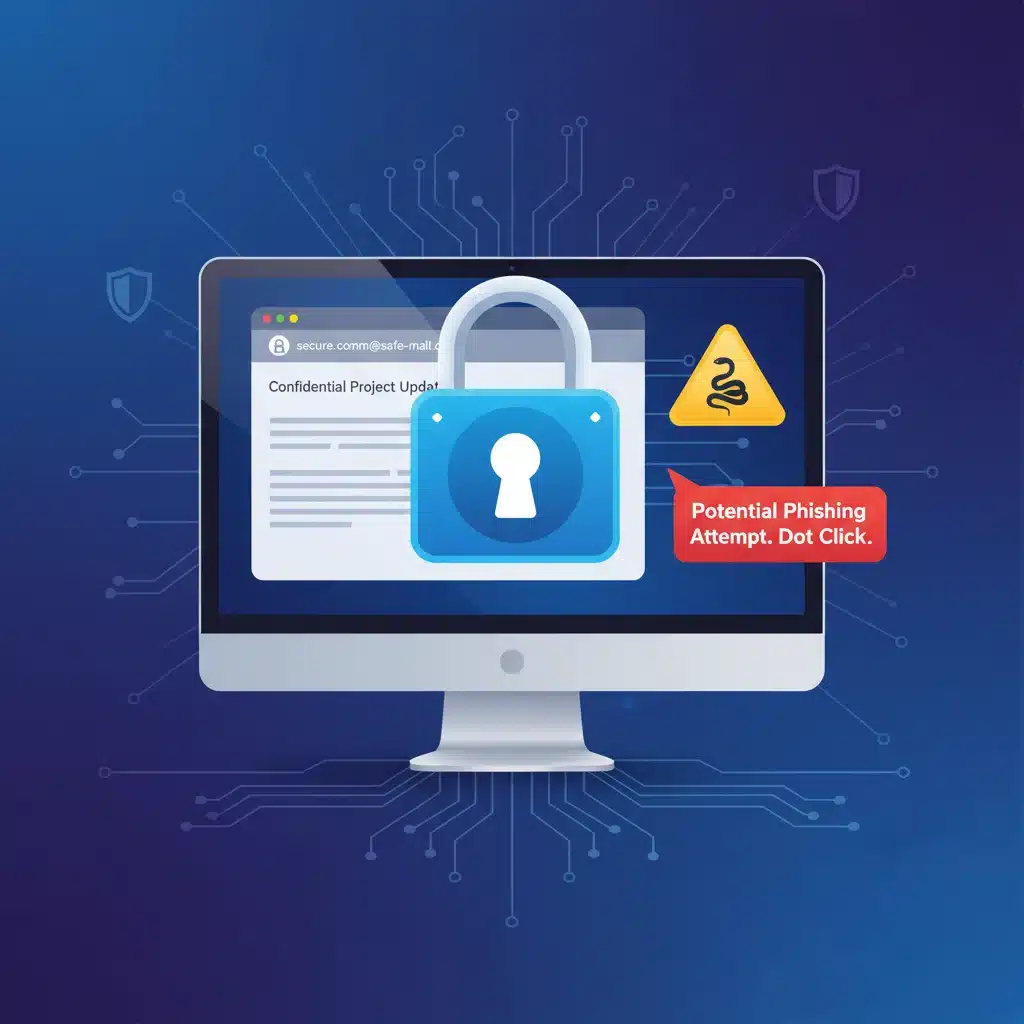
Always examine the email address from which you received the offer. Legitimate companies will almost always use an email address associated with their official domain (e.g., [email protected]). If the email comes from a generic domain like Gmail, Yahoo, or Outlook, or a slightly misspelled version of a known company’s domain (e.g., companyname.net instead of companyname.com), it’s a significant red flag. This is a classic phishing tactic designed to trick you into believing the communication is authentic.
Beyond the domain, assess the overall professionalism of the email. Is it well-written, with correct grammar and spelling? Scammers, particularly those operating from non-English-speaking countries, often make noticeable grammatical errors or use awkward phrasing. Legitimate companies invest in clear, concise, and professional communication. Be wary of emails that are overly enthusiastic, use excessive exclamation marks, or create a sense of extreme urgency without clear justification.
Unrealistic Promises and Upfront Payments
If an offer sounds too good to be true, it almost certainly is. Be extremely skeptical of promises of exorbitant payments for minimal effort. While product testing can be a legitimate way to earn extra income or receive free products, it’s rarely a path to instant wealth. Scammers often promise hundreds or even thousands of dollars for testing a single product, or guarantee you can keep high-value items without any expectation of a detailed review. These are clear indicators of a scam.
Another major red flag is any request for upfront payment. Legitimate product testing companies do not ask you to pay to participate. This includes ‘registration fees,’ ‘administrative costs,’ ‘shipping and handling fees,’ or ‘security deposits.’ Their business model involves paying you for your feedback, not the other way around. If you are asked to send money, gift cards, or cryptocurrency to participate, immediately disengage. This is a near-certain sign of a product testing scam.
Key Verification Step 3: Protect Your Personal and Financial Information
Safeguarding your personal and financial data is paramount when engaging in any online activity, especially product testing. Scammers are primarily interested in acquiring this sensitive information for identity theft or financial fraud. Knowing what information is typically required and what should never be shared is crucial.
Understanding Data Collection Practices
Legitimate product testing companies will typically ask for demographic information (age, gender, location, income bracket) to match you with relevant products. They might also ask for your shipping address to send you products. For payment, they usually use established, secure payment platforms like PayPal, direct bank transfers (requiring your bank name, account number, and routing number), or gift cards. They should have a clear privacy policy outlining how your data is collected, stored, and used, in compliance with regulations like GDPR or CCPA.
However, be extremely cautious if they request information that is not directly relevant to product delivery or payment. This includes your Social Security number (unless for tax purposes after significant earnings, which should be handled by a reputable company with clear tax forms), your mother’s maiden name, your full date of birth (beyond just the year for age verification), or passwords to any of your accounts. Any request for such highly sensitive data without a compelling and transparent reason should be treated as a warning sign of product testing scams.
Secure Payment and Identity Verification Protocols
When it comes to payments, legitimate companies will use secure methods. If they offer direct bank transfer, they should use encrypted portals or established payment processors. Never provide your banking details over an unsecured email or an unencrypted website. Look for ‘https://’ in the website address, indicating a secure connection.
Regarding identity verification, some legitimate companies might ask for a form of ID for certain high-value product tests or for compliance reasons. However, this should always be done through a secure, encrypted platform, and the company should clearly explain why it’s needed and how the data will be protected. If a company asks you to send a photo of your ID via email or an insecure chat app, or demands multiple forms of ID without clear justification, it’s highly suspicious. Be wary of any process that feels overly intrusive or lacks transparency in its security measures.
Key Verification Step 4: Trust Your Instincts and Seek External Validation
Even with all the technical checks, your intuition plays a significant role in identifying potential scams. If something feels off, it probably is. Additionally, leveraging external resources can provide crucial validation or expose fraudulent activities.
Recognizing Red Flags and Gut Feelings
Beyond the concrete red flags discussed, pay attention to your gut feelings. Does the communication feel pushy or overly aggressive? Are they rushing you to make decisions? Do their claims seem too good to be true? A legitimate company will respect your time and allow you to make informed decisions without undue pressure. They will also be transparent and willing to answer any questions you have without evasiveness.
Other subtle red flags include: poor website navigation, broken links, generic stock photos that don’t seem to fit the company’s alleged brand, or a complete lack of contact information (phone number, physical address). If you find yourself constantly questioning the legitimacy of an offer, it’s best to err on the side of caution and disengage. Your personal security is far more valuable than a potential product testing opportunity.

Consulting Consumer Protection Agencies and Forums
If you encounter an offer you suspect is a scam, or if you’re simply unsure, don’t hesitate to seek external validation. Consumer protection agencies are excellent resources. In the US, you can check with the Federal Trade Commission (FTC) or your state’s Attorney General’s office. Many countries have similar bodies dedicated to protecting consumers from fraud.
Online forums and communities dedicated to product testing or online earning opportunities can also be incredibly helpful. Search for the company’s name within these communities. If others have reported it as a scam, you’ll likely find discussions about it. Conversely, if it’s a legitimate opportunity, you might find positive reviews and advice from experienced testers. However, always cross-reference information from forums with official sources, as even forums can sometimes contain misinformation.
Reporting suspected product testing scams is also a vital step. By reporting, you not only protect yourself but also help prevent others from falling victim. Provide as much detail as possible to the relevant authorities, including email headers, website URLs, and any communication logs.
Beyond the 4 Steps: Best Practices for Product Testers in 2026
While the four key verification steps form the core of your defense against product testing scams, adopting some best practices can further enhance your security and improve your overall experience. As the digital landscape evolves, so too should your approach to online opportunities.
Utilize Dedicated Accounts and Devices
Consider setting up a dedicated email address solely for product testing applications and communications. This helps to compartmentalize your online activities and protects your primary email from potential spam or phishing attempts if you inadvertently engage with a less reputable entity. Similarly, if possible, use a separate web browser or even a dedicated device (like an old tablet or laptop) for product testing activities. This creates an additional layer of separation from your main digital life, limiting the potential impact of any security breach.
Maintain Detailed Records
Keep meticulous records of all your product testing activities. This includes dates of application, company names, contact persons, details of the products you’re testing, expected compensation, and all communication logs. In case of a dispute or a suspected scam, these records will be invaluable evidence. A simple spreadsheet can suffice for this purpose, allowing you to track progress and identify any inconsistencies quickly.
Be Skeptical of Unsolicited Offers
While some legitimate opportunities might come through unsolicited emails or social media messages, it’s always wise to approach them with a higher degree of skepticism. Prioritize opportunities that you actively seek out from known, reputable market research companies or platforms. If an offer lands in your inbox out of the blue, apply all four verification steps rigorously before engaging further. Remember, scammers often cast a wide net, hoping to catch unsuspecting individuals.
Stay Informed About Latest Scam Tactics
The world of online scams is dynamic. What works today might be outdated tomorrow, and new tactics are constantly emerging. Make it a habit to stay informed about the latest scam trends. Follow cybersecurity blogs, consumer protection agency alerts, and reputable news sources. Understanding new phishing techniques, social engineering tactics, and emerging forms of digital fraud will keep your defenses strong against evolving product testing scams.
Read the Fine Print
Before agreeing to any terms and conditions, always read them thoroughly. Pay attention to clauses regarding payment schedules, product return policies (if applicable), data privacy, and dispute resolution. Legitimate companies will have clear and comprehensive terms. If the terms are vague, overly complex, or seem to favor the company excessively, it could be a warning sign. Don’t be afraid to ask for clarification on anything you don’t understand.
Conclusion: Empowering Your Product Testing Journey in 2026
The world of product testing offers exciting opportunities for consumers to influence product development and earn rewards. However, the presence of increasingly sophisticated product testing scams necessitates a cautious and informed approach. By diligently applying the four key verification steps outlined in this guide – thorough company research, meticulous scrutiny of communication and offers, stringent protection of personal information, and reliance on instincts coupled with external validation – you can significantly mitigate your risk.
As we advance into 2026, staying proactive and educated about online security is not just advisable; it’s essential. Remember, legitimate product testing opportunities exist in abundance, but they require a discerning eye to find. Empower yourself with knowledge, practice skepticism, and prioritize your digital safety above all else. By doing so, you can enjoy the benefits of product testing without falling victim to the deceptive practices of fraudsters. Your journey as a product tester should be a rewarding one, free from the worry of scams.