Mastering Product Testing: Overcoming Feedback Fatigue

Anúncios
In the fast-paced world of product development, user feedback is the lifeblood of innovation. It’s the compass that guides improvements, refines features, and ultimately shapes a product that truly resonates with its target audience. However, there’s a silent killer lurking in many product testing programs: feedback fatigue. This phenomenon occurs when testers become overwhelmed, disengaged, or simply exhausted by the continuous demand for their input, leading to a decline in the quantity and quality of their contributions. The consequences can be severe, ranging from missed critical bugs to products launching with suboptimal user experiences. Understanding and actively combating feedback fatigue is not just a best practice; it’s a necessity for any successful product development cycle.
Imagine a scenario where your most dedicated beta testers, once eager to share every nuanced thought, start submitting one-word responses or, worse, stop responding altogether. This isn’t a reflection of their lack of interest in your product; it’s often a symptom of feedback fatigue. It’s a natural human response to prolonged, intense cognitive effort, especially when the perceived value of that effort diminishes over time. For product managers and development teams, recognizing the early signs and implementing proactive strategies is crucial. This article will delve into four practical solutions designed to maintain consistent engagement and ensure your product testing programs continue to yield invaluable insights.
Anúncios
Understanding Feedback Fatigue: A Deeper Dive
Before we can effectively combat feedback fatigue, we must first understand its multifaceted nature. It’s more than just being tired; it’s a complex interplay of psychological and logistical factors that erode a tester’s motivation. One primary cause is the sheer volume of feedback requests. Testers, particularly those involved in extensive beta programs, can be bombarded with surveys, questionnaires, and direct requests for input across multiple features or iterations. This constant demand can feel like a second job, especially if they are volunteering their time.
Another significant contributor is the lack of perceived impact. If testers invest their time and effort into providing detailed feedback but rarely see their suggestions implemented or acknowledged, their motivation will inevitably wane. They might begin to question the value of their contributions, leading to feelings of frustration and futility. This disconnect between effort and outcome is a powerful demotivator. Furthermore, the format and complexity of feedback mechanisms can play a role. Overly long surveys, confusing interfaces, or repetitive questions can make the feedback process tedious and time-consuming, adding to the burden.
Anúncios
The emotional toll of providing critical feedback can also lead to fatigue. Testers might feel like they are constantly pointing out flaws, which can be an emotionally draining task, especially if they are passionate about the product. Without proper recognition or a sense of contributing positively to the product’s evolution, this critical lens can become heavy. Finally, poor communication from the product team – whether it’s infrequent updates, unclear instructions, or a general lack of transparency – can exacerbate these issues, making testers feel isolated and undervalued. Addressing these root causes is the first step towards building a resilient and engaging testing program that actively prevents feedback fatigue solutions.
Solution 1: Streamline and Simplify the Feedback Process
One of the most effective ways to combat feedback fatigue is to make the act of providing feedback as effortless and intuitive as possible. The less cognitive load and time commitment required from your testers, the more likely they are to engage consistently. This involves a multi-pronged approach to process optimization.
Firstly, design user-friendly feedback channels. Move beyond generic survey tools that require testers to context-switch. Integrate feedback mechanisms directly into the product experience where possible. For instance, in-app feedback widgets, contextual pop-ups for specific features, or simple rating scales can capture immediate reactions without disrupting the user flow. If surveys are necessary, keep them concise and targeted. Avoid asking open-ended questions when a multiple-choice or Likert scale would suffice. Break down longer surveys into smaller, more manageable modules that can be completed over time rather than in one exhaustive session.
Secondly, clarify expectations and instructions. Ambiguity is a major source of frustration and wasted effort. When asking for feedback, be explicit about what kind of input you need and why. Provide clear, concise instructions for each task or feature being tested. Use visual aids or short video tutorials if the testing process is complex. This not only reduces the cognitive burden on testers but also ensures you receive the specific, actionable insights you’re looking for, rather than generic comments that are difficult to process.
Thirdly, prioritize and focus feedback requests. Instead of asking for feedback on every single aspect of a product simultaneously, strategically focus on key areas or new features. Introduce feedback requests incrementally. For example, in a beta testing phase, you might dedicate the first week to usability of the core workflow, the second to a new feature set, and so on. This prevents testers from feeling overwhelmed by a deluge of requests and allows them to concentrate their efforts on specific aspects, leading to higher quality and more detailed responses. Implementing these feedback fatigue solutions can significantly improve tester engagement and data quality.
Solution 2: Close the Loop and Show Impact
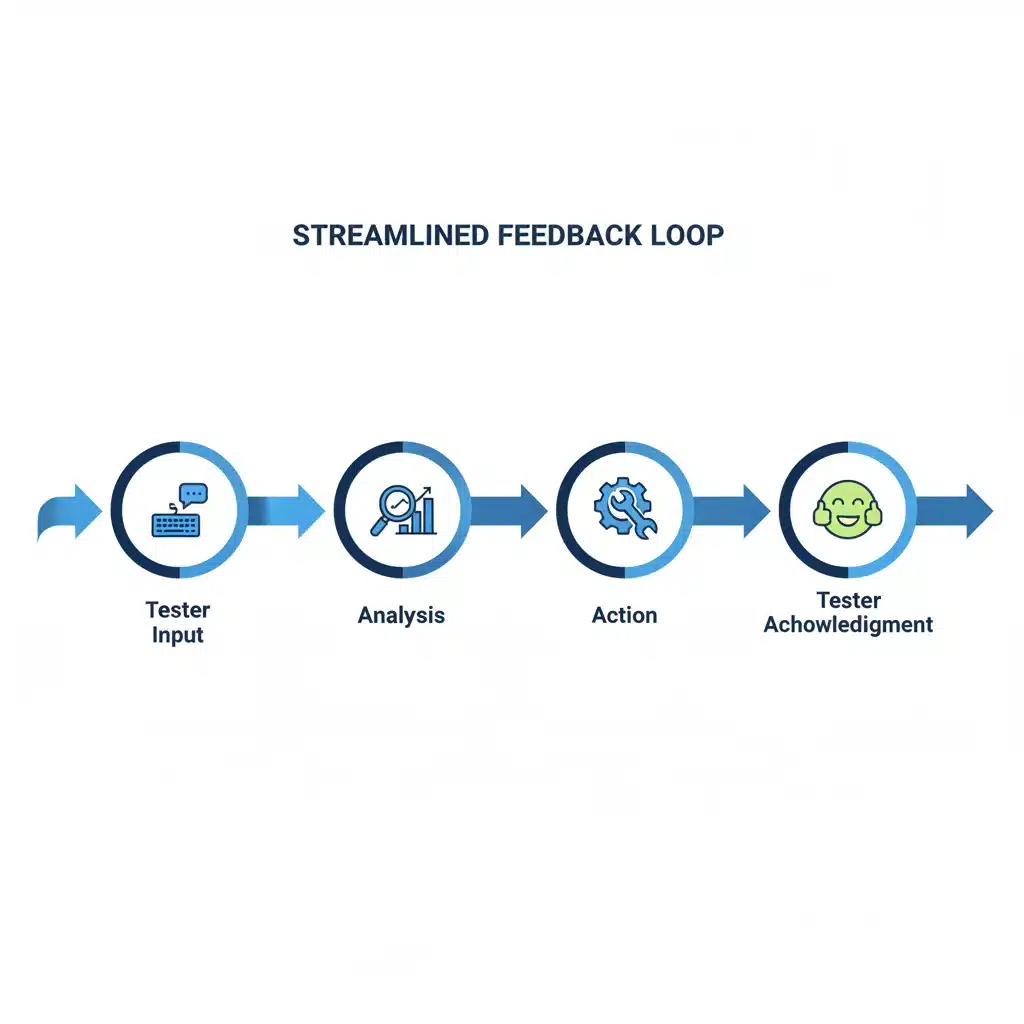
Nothing saps motivation faster than feeling unheard. Testers invest their time and effort, often without direct compensation, because they believe their input can make a difference. When they don’t see the results of their contributions, or even an acknowledgment that their feedback was received, it leads to a profound sense of disillusionment and is a primary driver of feedback fatigue. Therefore, actively closing the feedback loop and demonstrating the tangible impact of their input is paramount.
The first step in this solution is to acknowledge all feedback received. This doesn’t necessarily mean a personal email for every single comment, but rather a system that confirms receipt. An automated email thanking them for their submission, or a status update within a feedback portal, can go a long way. This simple act validates their effort and assures them that their contribution hasn’t disappeared into a black hole. It’s a fundamental component of effective feedback fatigue solutions.
Beyond acknowledgment, it’s crucial to communicate the status and resolution of reported issues or suggested features. This is where many product teams fall short. Testers want to know if their bug report was reproduced, if their feature idea is being considered, or if their usability complaint led to a design change. Regular, transparent updates are key. This could take the form of a monthly newsletter for testers, a dedicated section in your feedback platform showing ‘Feedback Under Review,’ ‘In Development,’ and ‘Implemented’ statuses, or even direct replies to specific, high-impact feedback. Highlighting specific examples – "Thanks to Jane Doe’s feedback, we improved the navigation flow in X feature" – can be incredibly powerful.
Finally, and perhaps most importantly, showcase the actual impact of their feedback on the product. When a new version or update is released, make it a point to highlight which changes were a direct result of tester input. This could be in release notes, a dedicated ‘Thank You’ section, or even a short video from the product team explaining how tester feedback influenced key decisions. Seeing their suggestions come to life in the product is the ultimate motivator. It reinforces the value of their contributions, fosters a sense of ownership, and transforms them from mere testers into invested co-creators. This positive reinforcement is vital in preventing and mitigating feedback fatigue, turning a potentially draining process into a rewarding collaboration.
Solution 3: Gamify and Incentivize Participation
While intrinsic motivation is powerful, sometimes a little external encouragement can go a long way in sustaining engagement and combating feedback fatigue solutions. Gamification and strategic incentives can transform the feedback process from a chore into an engaging activity, encouraging continuous participation.
Gamification elements can be integrated in various forms. Consider implementing a points system where testers earn points for submitting feedback, reporting bugs, or providing detailed suggestions. These points could contribute to a leaderboard, fostering a healthy sense of competition among testers. Badges or virtual rewards for reaching certain milestones (e.g., ‘Top Bug Reporter,’ ‘Usability Expert,’ ‘First to Find’) can also be highly effective. The key is to make progress visible and rewarding, tapping into the human desire for achievement and recognition. Simple progress bars for completing surveys or testing tasks can also provide a sense of accomplishment.
Beyond virtual rewards, tangible incentives can significantly boost engagement. These don’t always have to be monetary. Early access to new features or future products is a highly valued incentive for many passionate users. Exclusive merchandise, gift cards, or discounts on your product can also be effective. For professional testers or those contributing exceptionally valuable insights, consider offering a small honorarium or even a mention in the product’s credits. The type and value of incentives should align with your budget and the perceived value of the feedback you’re seeking, but even small gestures of appreciation can make a big difference.
When designing an incentive program, ensure it’s fair, transparent, and achievable. Clearly communicate how testers can earn rewards and what those rewards entail. Avoid creating a system that feels exploitative or overly complex. The goal is to motivate and appreciate, not to create a system that feels like a transactional burden. By making the feedback process more engaging and rewarding, you can significantly reduce the likelihood of testers experiencing feedback fatigue, ensuring a steady stream of valuable insights for your product development.
Solution 4: Foster a Community and Provide Support
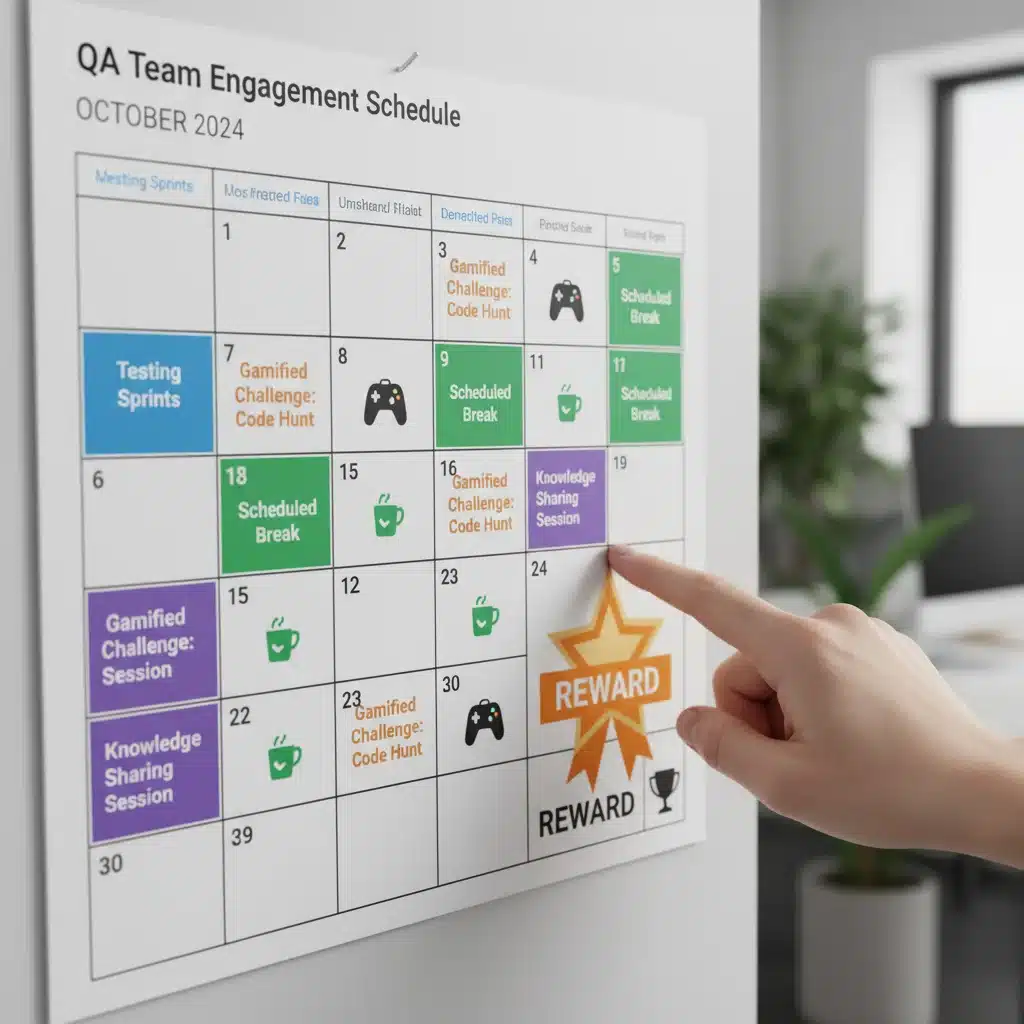
Humans are social creatures, and a sense of belonging and mutual support can be a powerful antidote to isolation and disengagement, both of which contribute to feedback fatigue. Building a vibrant community around your product testing program can significantly enhance tester morale and sustained participation. This strategy focuses on creating an environment where testers feel connected, valued, and supported.
Firstly, create dedicated communication channels for your testers. This could be a private forum, a Slack channel, or a Discord server. These platforms allow testers to interact with each other, share tips, discuss findings, and even help each other troubleshoot. This peer-to-peer interaction can reduce feelings of isolation and create a shared sense of purpose. Product team members should also be present in these channels, not just to answer questions, but to actively participate, listen, and show appreciation. This direct line of communication makes testers feel closer to the development process and more invested in its success.
Secondly, organize regular check-ins and Q&A sessions. These could be virtual town halls, live AMA (Ask Me Anything) sessions with product managers or engineers, or even informal video calls. These interactions provide opportunities for testers to ask questions directly, get clarity on testing objectives, and understand the broader vision for the product. It also allows the product team to directly address concerns, gather qualitative feedback in real-time, and reinforce the value of the testers’ contributions. Hearing directly from the people who are building the product can be incredibly motivating and helps bridge any perceived gaps between testers and the development team.
Finally, provide robust support and resources. Ensure testers have easy access to documentation, FAQs, and a clear point of contact for technical issues or questions about the testing process. Frustration with technical glitches or unclear instructions can quickly lead to feedback fatigue. A well-supported testing environment demonstrates that you value your testers’ time and are committed to making their experience as smooth as possible. By nurturing a supportive and interactive community, you not only make the testing process more enjoyable but also cultivate a loyal base of engaged contributors who are less susceptible to the draining effects of feedback fatigue. These community-building efforts are essential feedback fatigue solutions.
Implementing These Solutions for Long-Term Success
Successfully combating feedback fatigue isn’t a one-time fix; it requires a continuous commitment to understanding and adapting to your testers’ needs. The four solutions outlined – streamlining the process, closing the loop, gamifying participation, and fostering community – are not mutually exclusive. In fact, they are most effective when implemented in concert, creating a holistic strategy that addresses the various facets of tester disengagement.
When you streamline the feedback process, you reduce the effort required. When you close the loop, you increase the perceived value and impact of that effort. When you gamify and incentivize, you add an element of fun and reward. And when you foster a community, you build a supportive network that encourages sustained engagement. Each solution reinforces the others, creating a positive feedback loop that keeps testers motivated and their contributions consistent and high-quality.
It’s also important to regularly solicit feedback on your feedback process itself. Are your surveys too long? Do testers feel heard? Are the incentives appealing? Continuous improvement of your testing program, based on feedback from your testers, is the ultimate strategy for long-term success. By making your testers feel valued, supported, and impactful, you transform them from passive data providers into active partners in your product’s journey. This shift in perspective is key to unlocking consistent, high-quality insights and ensuring your product development remains user-centric and innovative.
Conclusion
Feedback fatigue is a real and significant challenge in product testing, capable of derailing even the most promising development efforts. However, by proactively implementing strategic feedback fatigue solutions, product teams can transform a potentially draining experience into an engaging and rewarding collaboration. Streamlining the feedback process, diligently closing the loop, strategically gamifying participation, and fostering a strong sense of community are not just best practices; they are essential pillars for sustained tester engagement.
Remember, your testers are invaluable partners in the journey of product development. Their insights are critical for identifying issues, validating features, and ensuring your product truly meets user needs. By investing in their experience and actively working to prevent fatigue, you’re not just improving your testing program; you’re investing in the overall quality, success, and user satisfaction of your product. Embrace these strategies, listen to your testers, and watch as your product testing programs become a source of consistent, high-quality feedback, driving continuous innovation and growth.