2026 Guide to Legitimate Product Testing Programs: Avoiding Scams

Anúncios
The 2026 Guide to Legitimate Product Testing Programs: Avoiding Scams and Identifying Real Opportunities
Are you looking for a way to influence the products of tomorrow while earning some extra cash or free items? The world of legitimate product testing offers an exciting avenue for consumers to provide valuable feedback to companies before products hit the mainstream market. However, with the rise of online opportunities, it’s crucial to distinguish between genuine programs and pervasive scams. In 2026, the landscape of product testing continues to evolve, making it more important than ever to be informed and vigilant. This comprehensive guide will equip you with the knowledge to navigate this dynamic field, helping you identify real opportunities and steer clear of fraudulent schemes.
The allure of free products, early access to innovations, and even monetary compensation makes product testing an attractive prospect for many. Companies, in turn, rely heavily on consumer insights to refine their offerings, ensuring they meet market demands and consumer expectations. This symbiotic relationship forms the backbone of successful product development. But how do you, as an eager consumer, tap into this world without falling victim to scams? Let’s dive deep into the strategies and resources that will help you become a successful and safe product tester in 2026.
Anúncios
Understanding What Legitimate Product Testing Entails
At its core, legitimate product testing involves evaluating pre-release products or services and providing detailed feedback to the manufacturer or market research firm. This feedback helps companies identify flaws, improve user experience, and make informed decisions before a full-scale launch. The types of products can range from electronics and software to household goods, beauty products, food, and even services.
The Role of Product Testers
As a product tester, your role is critical. You’re not just using a product; you’re scrutinizing it from a user’s perspective. This often involves:
Anúncios
- Thorough Usage: Using the product as intended, sometimes for a specified period.
- Detailed Observation: Paying attention to ease of use, functionality, design, durability, and overall satisfaction.
- Constructive Feedback: Providing honest, well-articulated opinions through surveys, written reviews, or sometimes even video testimonials.
- Adherence to Guidelines: Following specific instructions provided by the testing program, which might include keeping the product confidential.
The goal is to provide actionable insights that can lead to product improvements. Companies value testers who are observant, articulate, and committed to providing honest feedback, even if it’s critical. This integrity is what drives the value of legitimate product testing.
Why Companies Use Product Testers
Companies engage product testers for several compelling reasons:
- Quality Assurance: Identifying bugs, defects, or usability issues before a product goes to market.
- Market Validation: Gauging consumer interest and acceptance of a new product concept.
- Competitive Advantage: Ensuring their product stands out against competitors by addressing consumer needs more effectively.
- Cost Savings: Catching problems early can prevent costly recalls or re-designs post-launch.
- Marketing Insights: Gathering testimonials and understanding consumer language to better market the product.
The investment in product testing pays off significantly for companies, which is why they are willing to compensate testers for their time and effort. Understanding this dynamic helps you appreciate the value of your role as a tester and why legitimate product testing programs exist.
Identifying Legitimate Product Testing Programs in 2026
The digital age has opened up numerous avenues for product testing, but it has also created fertile ground for scams. Knowing what to look for is your best defense. Here are key indicators of genuine legitimate product testing opportunities:
Reputable Companies and Market Research Firms
Many large, well-known brands run their own product testing programs or outsource them to established market research firms. These are often the safest bets. Look for companies with a strong online presence, clear contact information, and a history of legitimate operations. Examples include:
- Consumer Product Manufacturers: Brands like Nike, Microsoft, Philips, and various beauty or food companies often recruit testers directly or through specialized panels.
- Market Research Agencies: Firms like Nielsen, Ipsos, and Opinion Outpost frequently conduct product tests as part of broader consumer studies.
- User Experience (UX) Testing Platforms: Websites like UserTesting.com, PlaytestCloud, and BetaFamily focus on digital products (websites, apps, games) and are well-regarded.
Always cross-reference any company or firm you encounter with online reviews and independent verification sites like the Better Business Bureau (BBB) or Trustpilot. A quick search for "[Company Name] product testing reviews" can reveal a lot.
Be wary of programs that promise immediate acceptance without any screening or ask for excessive personal information upfront that isn’t relevant to product usage.
Transparent Terms and Conditions
Before you even begin testing, a legitimate program will clearly outline the terms and conditions. This includes:
- Product Ownership: Whether you get to keep the product after testing.
- Compensation Details: How and when you will be compensated (e.g., free product, gift cards, cash via PayPal).
- Testing Duration: The expected timeframe for using and evaluating the product.
- Confidentiality Agreements: Often, you’ll be required to sign a Non-Disclosure Agreement (NDA) to keep details about the product secret until its public release.
If these details are vague, non-existent, or seem too good to be true, it’s a major red flag.
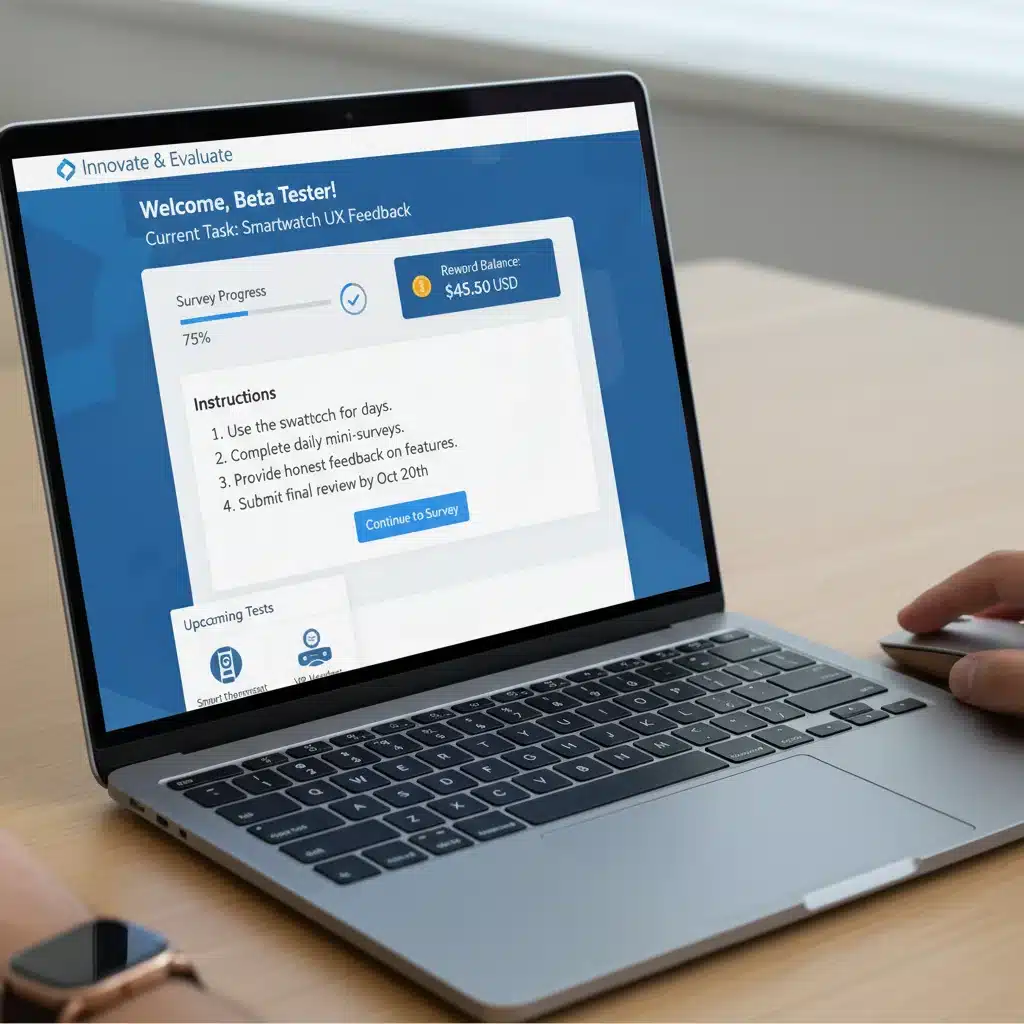
Avoiding Product Testing Scams: Red Flags to Watch Out For
Unfortunately, the popularity of product testing has attracted scammers. Recognizing the signs of a fraudulent scheme is paramount to protecting your personal and financial information. Here are the most common red flags associated with product testing scams:
The "Upfront Payment" Trap
This is the biggest and most common red flag. A legitimate product testing program will NEVER ask you to pay money to participate. This includes:
- Application Fees: "Pay to join our exclusive tester club."
- Shipping Costs: "Pay for shipping to receive your free product."
- Training Materials: "Purchase our mandatory training guide to become a certified tester."
If a program demands money from you at any point, it’s almost certainly a scam. Reputable companies absorb these costs as part of their research budget.
Unrealistic Promises of High Income or Free Luxury Items
While some product testing can be lucrative, especially for specialized or long-term projects, be skeptical of claims promising thousands of dollars for minimal effort or guaranteeing you the latest high-value electronics like iPhones or gaming consoles for every test. While you might occasionally test such items, it’s not a regular occurrence for most testers. Scammers use these exaggerated promises to lure unsuspecting individuals.
Requests for Sensitive Personal Information (Beyond What’s Necessary)
A legitimate program will ask for demographic information (age, gender, location, income bracket) to match you with products. However, be extremely cautious if they ask for:
- Bank Account Numbers or PINs: Beyond what’s needed for direct deposit (and even then, only after you’ve established trust).
- Social Security Numbers (SSN) or National Identification Numbers: Unless it’s for tax purposes from a verified company after you’ve earned a significant amount, this is highly suspicious.
- Credit Card Details: Absolutely never necessary for product testing.
Always question why certain information is needed and ensure it aligns with the purpose of product testing.
Poorly Designed Websites and Communications
Scam websites often have:
- Grammatical Errors and Typos: Professional companies maintain high standards for their communications.
- Generic Email Addresses: Look for company-specific email domains (e.g., @companyname.com) rather than generic ones like @gmail.com or @yahoo.com.
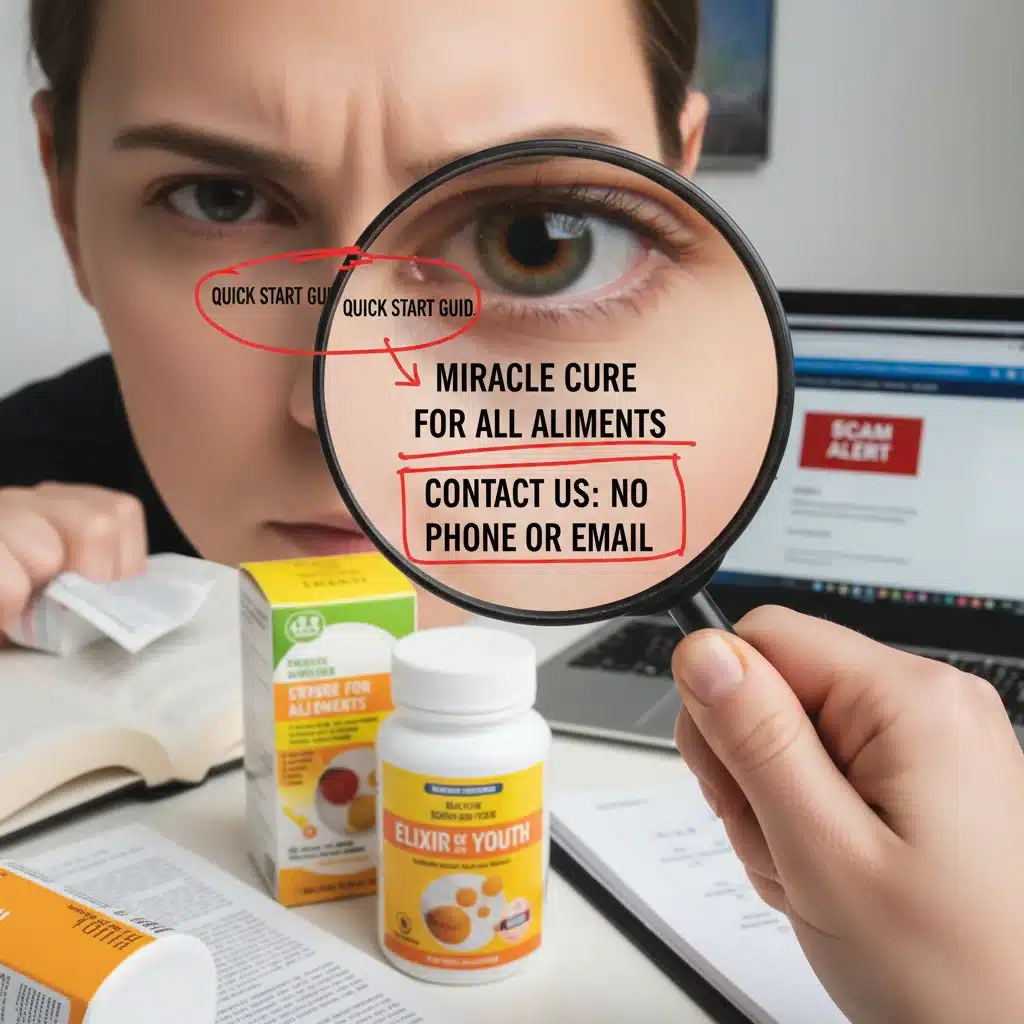
- Lack of Contact Information: No physical address, phone number, or clear customer support channels.
- Flashy, Unprofessional Design: Websites that look hastily put together or use aggressive, salesy language.
Pressure Tactics and Urgency
Scammers often try to rush you into making decisions or providing information by creating a false sense of urgency. Phrases like "Act now, limited spots!" or "This offer expires in 24 hours!" without a clear reason should raise your suspicions. Legitimate product testing opportunities are usually more patient and structured.
How to Find Legitimate Product Testing Opportunities in 2026
Now that you know what to look for and what to avoid, let’s explore where to find genuine legitimate product testing programs in 2026.
Directly from Manufacturers
Many major brands have dedicated sections on their websites for consumer panels, beta programs, or product testing. A simple search for "[Brand Name] product testing" or "[Brand Name] consumer panel" can often lead you directly to their programs. This is an excellent way to test products you already love or are interested in.
- Technology: Microsoft, Samsung, Google (for specific product betas).
- Apparel & Footwear: Nike, Adidas, Under Armour.
- Beauty & Skincare: L’Oréal, Procter & Gamble (P&G), Unilever.
- Food & Beverage: Many food companies run taste test panels.
Market Research Companies and Panels
These firms specialize in gathering consumer insights for various clients. By signing up with them, you open yourself up to a wider range of testing opportunities. Some prominent ones include:
- Pinecone Research: Known for sending full-sized products for testing and offering good compensation. They are highly selective.
- Nielsen Consumer Panel: Focuses on tracking purchasing habits, sometimes involving scanning barcodes of products you buy, and occasionally offers product tests.
- Ipsos iSay: A global market research company that offers surveys and product testing opportunities.
- Valued Opinions: Another reputable survey site that occasionally offers product tests.
- Opinion Outpost: Offers surveys and sometimes includes product testing as part of their research.
It’s advisable to sign up for several reputable panels to increase your chances of being selected for tests. Remember, consistency in completing your profile and surveys is key.
User Experience (UX) Testing Platforms
If you’re tech-savvy and enjoy testing websites, apps, or software, UX testing platforms are a great fit. You’ll typically record your screen and voice as you navigate a digital product, providing real-time feedback. Popular platforms include:
- UserTesting.com: One of the largest and most well-known platforms, offering decent compensation per test.
- PlaytestCloud: Specializes in mobile game testing.
- BetaFamily: Connects beta testers with app developers.
- TryMyUI: Similar to UserTesting, focusing on website and app usability.
Product Review Sites with Testing Programs
Some product review websites or communities have special programs where members can apply to receive products for free in exchange for an honest review. While not strictly "testing" in the traditional sense, it’s a similar concept of providing feedback for products you get to keep. Always check their specific guidelines and disclosures.
- BzzAgent: Connects consumers with brands for word-of-mouth marketing campaigns, often involving free products.
- Influenster: A community that sends out "VoxBoxes" of free products for review.
Maximizing Your Chances for Legitimate Product Testing Opportunities
Getting selected for product tests can be competitive. Here are some tips to increase your odds:
Complete Your Profiles Thoroughly and Honestly
When you sign up for any legitimate product testing panel, fill out your demographic profile completely and accurately. Companies use this information to target specific consumer groups. The more detailed and honest your profile, the better the chances you’ll be matched with relevant tests.
Be Active and Responsive
Many panels prioritize active members. Respond to screening surveys promptly, and if selected for a test, complete it within the given timeframe. Consistently providing high-quality feedback can lead to more invitations.
Provide Detailed and Constructive Feedback
Don’t just say "I liked it" or "It was okay." Explain WHY you liked or disliked something. Be specific about features, usability, design, and any issues you encountered. Companies are looking for actionable insights. The quality of your feedback is a major factor in being invited to future, potentially higher-paying tests.
Maintain Confidentiality
If a test requires an NDA, take it seriously. Breaching confidentiality can lead to being removed from the program and potentially legal repercussions. Respecting the privacy of unreleased products is a hallmark of a professional product tester.
Diversify Your Registrations
Sign up for multiple reputable panels and platforms. This broadens your exposure to different types of products and increases your overall chances of being selected for tests. Remember, selection is often based on specific demographic needs for each product.
What to Expect from Legitimate Product Testing Programs
Understanding the typical process will help you set realistic expectations and ensure you’re engaging with a legitimate product testing opportunity.
The Selection Process
After registering and completing your profile, you’ll typically be invited to short screening surveys. These surveys determine if you fit the target demographic for a particular product. For example, a baby product company might be looking for parents of infants, or a tech company might need individuals who own specific devices.
Receiving the Product
If selected, the product will usually be shipped directly to your home at no cost to you. Sometimes, for digital products, you’ll receive access codes or links to download software or apps. Instructions on how to use and evaluate the product will always be included.
The Testing Phase
This is where you actively use the product as instructed. The testing period can vary from a few days to several weeks or even months, depending on the product’s nature. During this time, you might be asked to keep a diary of your usage, take photos, or track specific metrics.
Providing Feedback
The most crucial part. This usually involves completing detailed online surveys. Some programs might also require written reviews, video testimonials, or participation in focus groups or one-on-one interviews. Be prepared to articulate your experience clearly and concisely.
Compensation and Rewards
Compensation for legitimate product testing varies widely:
- Keeping the Product: This is a common form of reward, especially for consumer goods.
- Gift Cards: To major retailers or online stores.
- Cash: Often paid via PayPal, direct deposit, or check.
- Points: Redeemable for various rewards, common with survey panels.
The value of compensation often depends on the complexity of the test, the time commitment required, and the value of the product itself. Don’t expect to get rich, but it can be a nice supplemental income or a great way to acquire new products.
The Future of Product Testing in 2026 and Beyond
The landscape of product testing is continuously evolving, driven by technological advancements and changing consumer behaviors. In 2026, we can expect several trends to shape the future of legitimate product testing:
Increased Use of AI and Machine Learning
AI will likely play a larger role in matching testers with products, analyzing feedback, and even predicting consumer preferences. This could lead to more personalized testing experiences and more efficient data collection for companies.
Virtual and Augmented Reality Testing
For certain products, especially in design and digital realms, VR and AR could offer immersive testing environments. Imagine trying out virtual furniture in your home before it’s even manufactured or testing a new app in a simulated environment.
Emphasis on Micro-Influencers and Niche Communities
Companies are increasingly recognizing the value of feedback from highly specialized niche communities and micro-influencers. If you have expertise in a particular area or a small but engaged online following, you might find more opportunities tailored to your specific interests.
Ethical Considerations and Data Privacy
As data collection becomes more sophisticated, there will be an even greater emphasis on ethical guidelines and data privacy. Legitimate product testing programs will need to be transparent about how they collect, use, and protect tester data, adhering to regulations like GDPR and CCPA.
Globalized Testing Pools
With remote work becoming more prevalent, companies will continue to expand their testing pools globally, seeking diverse perspectives from different cultures and demographics to ensure products have universal appeal.
Final Thoughts: Your Journey as a Legitimate Product Tester
Embarking on the journey of product testing in 2026 can be a rewarding experience, offering you a unique glimpse into the innovation pipeline and a chance to shape the products you use every day. By understanding the hallmarks of legitimate product testing programs and staying vigilant against scams, you can confidently explore this exciting field.
Remember to always prioritize your safety and privacy. Never pay to participate, be wary of promises that seem too good to be true, and always verify the legitimacy of any program before sharing personal information. With careful research and a discerning eye, you can find numerous genuine opportunities to test products, provide valuable feedback, and enjoy the perks that come with being an influential consumer.
So, take the plunge, sign up with reputable companies and market research firms, and start making your voice heard. Your opinions are valuable, and in the world of legitimate product testing, they can truly make a difference.