Are you a U.S. consumer eager to get your hands on the latest products before they hit the market, offering your valuable feedback, and perhaps even earning some extra cash or free items? The world of product testing presents an exciting opportunity for individuals to influence product development and enjoy exclusive perks. However, as with any appealing opportunity, it’s crucial to distinguish between legitimate product testing programs and potential scams. In 2026, the landscape of consumer engagement continues to evolve, making it more important than ever to approach these opportunities with a discerning eye. This comprehensive guide is designed specifically for U.S. consumers, providing a robust 4-point checklist to help you confidently identify and engage with legitimate product testing opportunities, ensuring your time and personal information are protected.
The allure of free products, early access to innovations, and the chance to shape future offerings is undeniable. Imagine testing a new smartphone, a revolutionary kitchen gadget, or a cutting-edge beauty product, all while knowing your opinion directly contributes to its refinement. This isn’t just a fantasy; it’s a reality for millions of consumers who participate in legitimate product testing. But how do you navigate the vast digital ocean to find these genuine programs amidst a sea of deceptive offers? Our 4-point checklist serves as your compass, guiding you toward authentic experiences and away from pitfalls.
Understanding the ecosystem of legitimate product testing begins with recognizing who conducts these tests and why. Major brands, market research firms, and specialized product testing companies are constantly seeking consumer insights to perfect their products before a wider launch. They invest significant resources in these programs because consumer feedback is invaluable. Your role as a product tester is not merely to receive a product; it’s to provide honest, detailed, and constructive feedback that helps companies make informed decisions. This symbiotic relationship is at the heart of legitimate product testing.
Anúncios
The Rise of Consumer Feedback in 2026
In today’s hyper-connected world, consumer voice has never been more powerful. Social media, online reviews, and direct feedback channels have transformed how companies interact with their audience. By 2026, this trend has only intensified, placing a premium on authentic consumer insights. Companies understand that a well-tested product, refined by real user experiences, stands a much better chance of success in a competitive market. This increased demand for genuine feedback fuels the growth of legitimate product testing programs, creating more opportunities for engaged consumers like you.
However, this heightened demand also attracts unscrupulous individuals and organizations looking to exploit the enthusiasm of eager consumers. Scammers often mimic legitimate product testing offers, using enticing promises to trick individuals into divulging personal information, paying upfront fees, or engaging in other fraudulent activities. This is why a robust verification process is absolutely essential. Our checklist is designed to empower you with the tools to differentiate between genuine opportunities and deceptive schemes, ensuring your participation in product testing is both rewarding and safe.
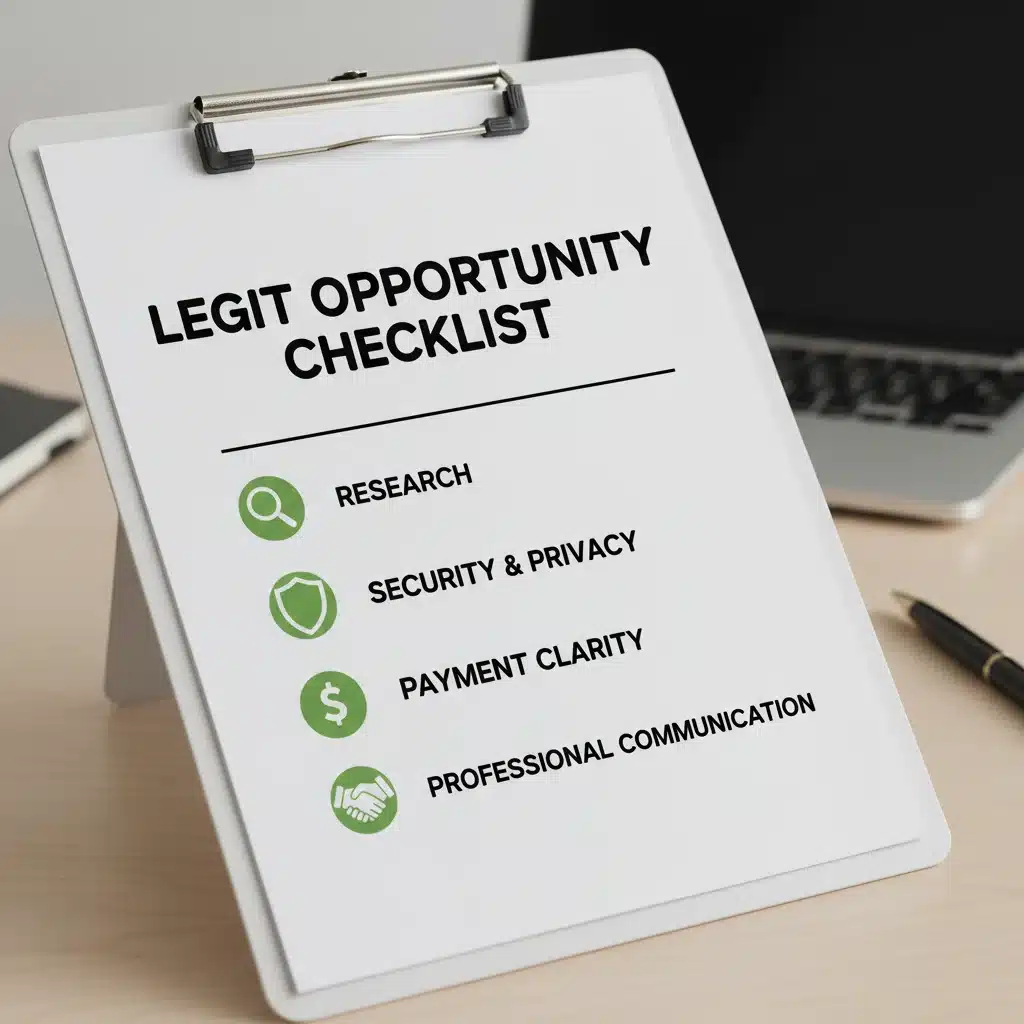
Your 4-Point Checklist for Identifying Legitimate Product Testing Opportunities
Before you commit to any product testing program, run it through this essential checklist. Each point is designed to help you scrutinize the offer and determine its authenticity, safeguarding your personal information and ensuring a positive experience.
1. Verify the Source: Is the Company Reputable?
The first and most critical step is to investigate the entity offering the product testing opportunity. Legitimate product testing is almost always conducted by established market research firms, well-known brands, or reputable specialized testing companies. Scammers, on the other hand, often operate under obscure or recently created names, making it difficult to trace them.
What to Look For:
- Official Websites: Does the company have a professional, well-designed website with clear contact information, a privacy policy, and terms of service? Legitimate companies invest in their online presence. Be wary of generic-looking sites, those riddled with grammatical errors, or sites that lack essential legal disclaimers.
- Online Presence and Reviews: Search for the company online. Do they have a presence on professional platforms like LinkedIn? Are there reviews on independent consumer review sites (e.g., Better Business Bureau, Trustpilot)? A lack of online footprint or overwhelmingly negative reviews should raise a red flag.
- Brand Affiliation: If the offer claims to be from a specific well-known brand (e.g., Apple, Samsung, Nike), check that brand’s official website for any mention of the testing program or the associated research firm. Often, legitimate brand testing is conducted through established third-party partners, which the brand itself will acknowledge.
- Domain Name Scrutiny: Pay close attention to email addresses and website URLs. Scammers often use domain names that are slight variations of legitimate ones (e.g., “amazon-test.com” instead of “amazon.com”). Always double-check for misspellings or unusual extensions.
Remember, a legitimate company will have a verifiable history and a transparent operational structure. If you can’t easily find credible information about them, proceed with extreme caution.
2. No Upfront Fees or Purchases: Legitimate Testing is Free
This is perhaps the most crucial red flag to watch out for. Legitimate product testing programs will NEVER ask you for money to participate. Their goal is to gather your feedback, not to sell you something or charge you for the privilege of testing. Any request for an upfront fee, a “shipping and handling” charge, or a purchase of any kind to “qualify” for a product test is a sure sign of a scam.
Anúncios
What to Avoid:
- Application Fees: “Pay $20 to apply for our exclusive testing panel!” – This is a scam.
- Product Purchase Requirements: “Buy this product first, and we’ll reimburse you later.” – While some legitimate programs might send you a gift card to purchase a specific item, they will typically send the gift card directly or clearly state their reimbursement process upfront on their official channels. Be extremely cautious if you are asked to use your own funds first.
- Shipping Costs: “Just pay for shipping, and the product is yours!” – Legitimate companies cover all costs associated with sending you products for testing.
- “Certification” or “Training” Fees: Any program demanding payment for a course or certification to become a product tester is fraudulent.
The entire premise of product testing is to provide a product to you, often free of charge, in exchange for your feedback. If money is involved in any way that requires you to pay, it’s a scam. Period.
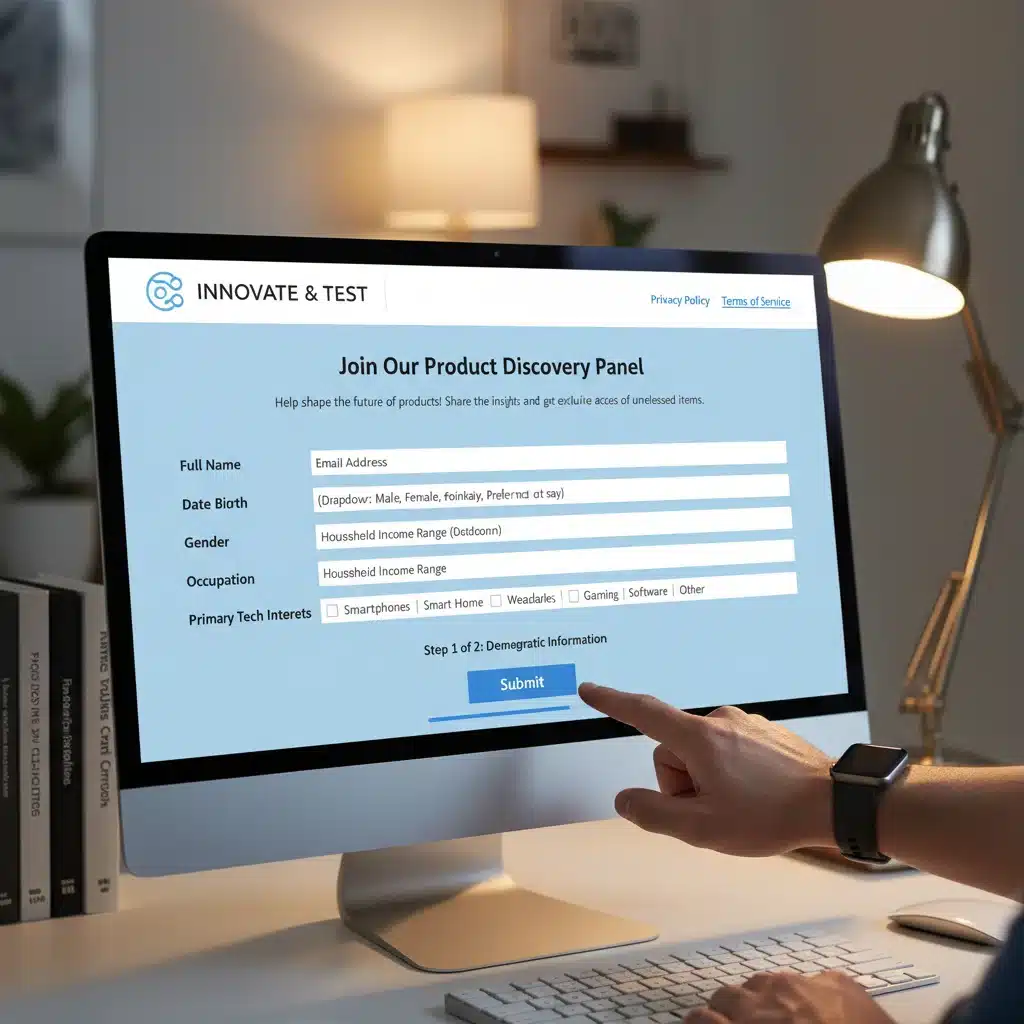
3. Clear Communication and Realistic Expectations
Legitimate product testing programs operate with transparency and professionalism. Their communication will be clear, concise, and detailed, outlining exactly what is expected of you, the timeline, and any compensation or rewards. Be wary of vague promises or overly enthusiastic language that seems too good to be true.
Key Indicators of Legitimacy:
- Detailed Instructions: You should receive clear instructions on how to test the product, what kind of feedback is required, and how to submit it. This might involve surveys, written reviews, video testimonials, or even in-person focus groups.
- Realistic Compensation: While some programs offer free products, others may provide monetary compensation, gift cards, or points redeemable for rewards. The compensation should be reasonable for the time and effort involved. Be skeptical of offers promising exorbitant amounts of money for minimal effort – these are often fronts for scams.
- Professional Language: All communications (emails, website content, forms) should be professionally written, free of significant grammatical errors or awkward phrasing. Scammers often rush their content, leading to tell-tale mistakes.
- Privacy Policy: A legitimate program will have a clear privacy policy explaining how your personal data will be collected, stored, and used. They will also typically be transparent about how your feedback will be utilized.
- No Guaranteed Acceptance: Legitimate programs have specific demographic requirements for their testers. They will never guarantee acceptance into a program. Instead, they will have an application and screening process to ensure you fit the target demographic for the product being tested.
Be cautious of any program that pressure-cooks you into signing up immediately or makes grand, unsubstantiated claims about earnings or product availability. Transparency and clarity are hallmarks of legitimate operations.
4. Data Security and Privacy Practices
In an age where data breaches are unfortunately common, understanding how your personal information is handled is paramount. Legitimate product testing companies prioritize the security and privacy of their participants’ data. Scammers, conversely, are often primarily interested in harvesting your personal details for malicious purposes, such as identity theft or selling your information to third parties.
What to Verify Regarding Data:
- Secure Websites (HTTPS): Always ensure that any website where you submit personal information uses HTTPS encryption. Look for the padlock icon in your browser’s address bar. This indicates a secure connection.
- Clear Privacy Policy and Terms of Service: As mentioned before, a legitimate company will have these readily available and easy to understand. Read them carefully to understand how your data is used and protected. If these documents are absent or difficult to find, it’s a major red flag.
- Information Requested: Legitimate programs will ask for demographic information relevant to product targeting (e.g., age, gender, household income, interests). They will NOT ask for sensitive financial details like your bank account number (unless it’s for direct deposit of legitimate payment, which should be after you’ve been accepted and verified, and through a secure portal), social security number, or credit card details (unless you are making a legitimate, verifiable purchase from a known retailer as part of a reimbursement scheme, which is rare for upfront testing).
- Opt-Out Options: Legitimate companies will provide clear ways to opt out of communications or have your data removed from their systems if you choose to.
Never provide more personal information than what seems absolutely necessary for the purpose of product testing. If an offer feels intrusive or asks for data that seems irrelevant to testing a product, step back and re-evaluate.
Common Scams to Watch Out For
Beyond the checklist, it’s helpful to be aware of the common tactics employed by scammers:
- The “Mystery Shopper” or “Product Tester” Check Cashing Scam: This is a classic. You receive a realistic-looking check, often for an amount greater than what you’re “owed,” with instructions to deposit it, keep a portion, and wire the rest to a third party (often for “taxes” or “shipping”). The check is fake, and once it bounces, you’re responsible for the wired money.
- Phishing for Personal Information: Offers that are solely designed to gather your name, address, phone number, email, and other sensitive data without any real product testing involved. This information can then be used for identity theft or sold on the dark web.
- Subscription Traps: You’re told you need to sign up for a “free trial” to get the product, but it automatically enrolls you in an expensive, hard-to-cancel subscription.
- Fake Product Giveaways: These often appear on social media, promising free products if you share a post and provide personal information. They rarely lead to actual products.
Always remember the golden rule: if it seems too good to be true, it probably is.
Where to Find Legitimate Product Testing Opportunities
Once armed with your checklist, you can confidently seek out opportunities. Here are some reliable avenues for U.S. consumers:
- Directly from Brands: Many large companies have their own consumer panels or beta testing programs. Check the “Careers,” “About Us,” or “Community” sections of your favorite brands’ websites.
- Market Research Firms: Companies like Nielsen, Ipsos, and Opinion Outpost conduct extensive market research, including product testing. They often have dedicated panels you can join.
- Specialized Product Testing Platforms: Websites like Pinecone Research, BzzAgent, and Influenster specifically connect consumers with product testing opportunities. Always apply your checklist to these platforms as well, ensuring they are reputable.
- UserTesting.com or Similar UX Testing Sites: While not traditional “physical product” testing, these sites pay you to test websites and apps, providing valuable user experience feedback.
- Amazon Vine Voice: An invitation-only program for Amazon’s most trusted reviewers. While you can’t apply, consistently writing high-quality reviews can lead to an invitation.
When exploring these options, remember to start small, verify everything, and never feel pressured to participate in something that makes you uncomfortable.
Maximizing Your Product Testing Experience
Once you’ve successfully identified and joined a legitimate product testing program, here are some tips to make the most of your experience and increase your chances of being selected for future tests:
- Be Thorough and Honest: Provide detailed, thoughtful, and unbiased feedback. Companies value genuine insights, whether positive or negative.
- Meet Deadlines: Submit your feedback on time. Punctuality demonstrates reliability and professionalism.
- Follow Instructions Carefully: Adhere to all guidelines provided by the testing program. This ensures your feedback is relevant and usable.
- Maintain Good Communication: If you encounter issues or have questions, communicate promptly and professionally with the program administrators.
- Update Your Profile Regularly: Keep your demographic profile on testing platforms current. This helps programs match you with relevant products.
- Engage Respectfully: If there’s a community forum or direct communication with the company, engage constructively and politely.
By being a diligent and engaged product tester, you not only contribute to better products but also establish yourself as a valuable consumer, opening doors to more exciting opportunities in the future.
The Future of Legitimate Product Testing for U.S. Consumers
As we move further into 2026 and beyond, the role of consumer feedback in product development will only intensify. Technological advancements, particularly in AI and data analytics, will likely streamline the matching of testers to products, making the process even more efficient. We can expect more personalized testing experiences and a greater emphasis on diverse consumer segments to ensure products meet the needs of a broad audience.
For U.S. consumers, this means more opportunities to engage with brands, influence product design, and be at the forefront of innovation. However, it also means that vigilance against scams will remain crucial. The fundamental principles of verifying sources, understanding payment structures, ensuring clear communication, and protecting personal data will continue to be your best defense.
Conclusion: Empowering Your Product Testing Journey
Participating in legitimate product testing is a rewarding experience that offers U.S. consumers a unique chance to impact the products they use daily, often with the added benefit of free items or monetary compensation. By diligently applying our 4-point checklist – verifying the source, ensuring no upfront fees, demanding clear communication, and scrutinizing data security practices – you can confidently navigate the world of product testing in 2026.
Don’t let the fear of scams deter you from these exciting opportunities. Instead, empower yourself with knowledge and a critical eye. By following the guidelines outlined in this article, you can enjoy the benefits of being an informed and influential consumer, contributing to the development of better products while safeguarding your personal and financial well-being. Happy testing!