2026 Guide: Identifying Legitimate Product Testing Programs & Avoiding Scams

Anúncios
The 2026 Guide to Identifying Legitimate Product Testing Programs: Avoiding Scams with 99% Accuracy
In an increasingly consumer-driven world, the opportunity to influence product development and earn rewards by sharing your opinions has never been more appealing. Legitimate product testing programs offer a unique way to try new products before they hit the market, provide valuable feedback, and often receive compensation or keep the tested items. However, with the rise of online opportunities, there’s also been a significant increase in scams masquerading as genuine testing programs. As we navigate 2026, it’s more crucial than ever to distinguish between real opportunities and deceptive schemes.
This comprehensive guide is designed to equip you with the knowledge and tools to confidently identify legitimate product testing programs and avoid potential pitfalls. We’ll delve into the characteristics of genuine programs, highlight red flags, and provide actionable steps to ensure your product testing journey is both rewarding and secure. By the end of this article, you’ll be able to approach product testing with 99% accuracy in identifying authentic opportunities.
Anúncios
What Exactly is Product Testing?
Product testing, often referred to as consumer testing or beta testing, involves consumers evaluating pre-release products or services and providing feedback to manufacturers. This feedback is invaluable for companies to refine their offerings, identify potential issues, and ensure market readiness. The range of products is vast, from new smartphones and software to food items, beauty products, household appliances, and even financial services. Participants in legitimate product testing are typically selected based on specific demographic criteria, usage habits, or interests relevant to the product being tested.
The Evolution of Product Testing in 2026
The landscape of product testing has evolved significantly. What once involved focus groups and in-person trials now heavily leverages digital platforms for recruitment, feedback collection, and even remote product interaction. Virtual reality (VR) and augmented reality (AR) are also beginning to play a role in testing virtual prototypes, expanding the possibilities for consumer feedback without physical product distribution. This digital shift has opened doors for more people to participate, but it has also created more avenues for scammers to operate. Understanding these modern dynamics is key to finding legitimate product testing gigs.
Anúncios
Characteristics of Legitimate Product Testing Programs
Knowing what to look for is your first line of defense. Legitimate product testing programs share several common characteristics:
1. No Upfront Fees, Ever
This is perhaps the most critical rule: a genuine product testing program will NEVER ask you for money to participate. Whether it’s an ‘application fee,’ a ‘shipping and handling charge,’ or a ‘membership fee’ to access exclusive tests, any request for payment is a definitive red flag. The purpose of product testing is for companies to gain insights, not to generate revenue from testers. If they want your opinion, they should be paying you, not the other way around. This fundamental principle is non-negotiable when seeking legitimate product testing opportunities.
2. Clear and Professional Communication
Reputable companies communicate professionally. This means:
- Official Email Addresses: Emails will come from company domains (e.g., @companyname.com), not generic addresses like Gmail or Yahoo.
- Well-Written Content: Communication will be free of glaring grammatical errors, typos, and awkward phrasing.
- Transparent Processes: They will clearly explain the testing process, timelines, expectations, and compensation structure.
3. Reputable Company Affiliation
Most legitimate product testing is conducted by established market research firms, directly by well-known brands, or through reputable platforms that partner with these brands. A quick search for the company’s name should yield a professional website, legitimate contact information, and perhaps reviews or mentions in credible publications.
4. Detailed Screening Process
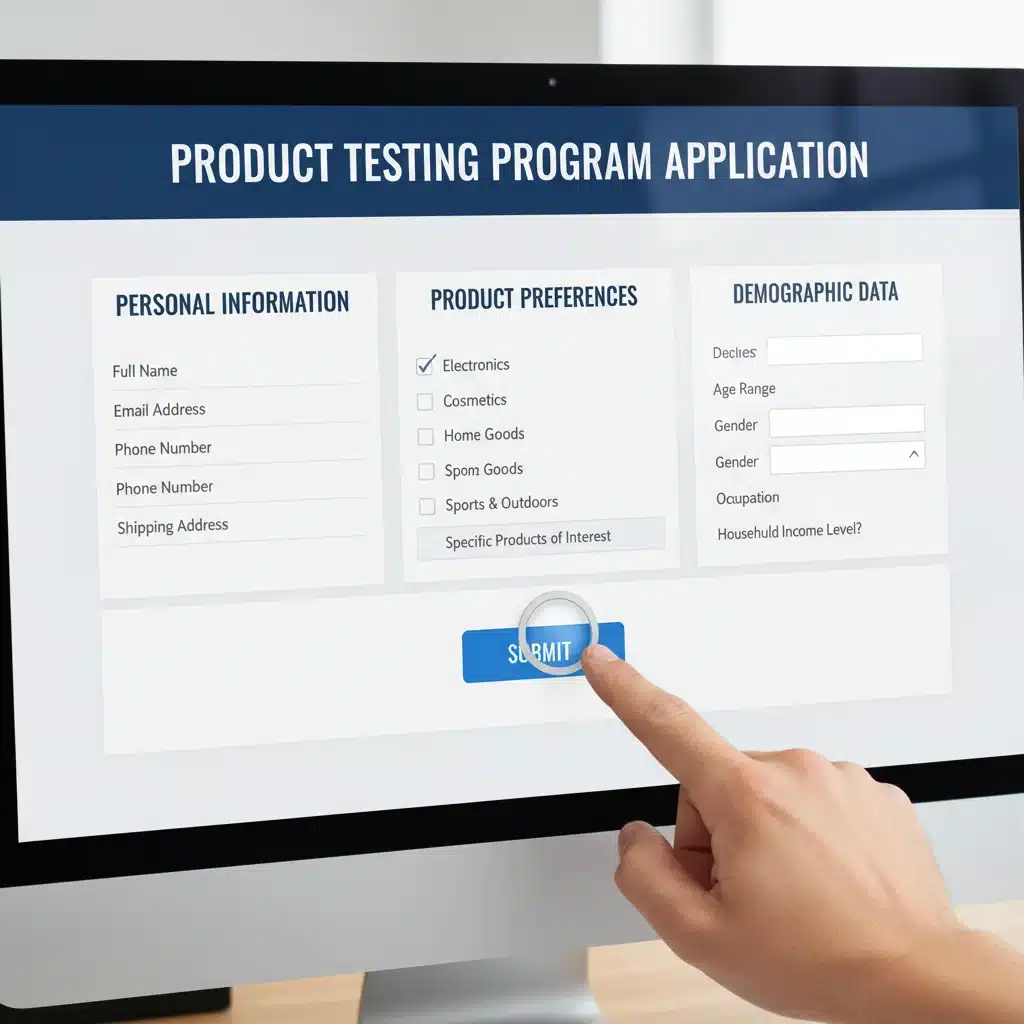
Companies need specific demographics or user types for their products. Therefore, legitimate product testing programs will almost always involve a detailed screening questionnaire. This might ask about your age, location, income, hobbies, household composition, and specific product usage habits. This ensures they match the right product with the right tester. If you’re accepted into a program without any screening, be very wary.
5. Realistic Compensation
While product testing can be a rewarding side hustle, it’s rarely a path to instant riches. Compensation varies: you might keep the product, receive gift cards, cash payments, or points redeemable for rewards. The compensation should be reasonable for the time and effort involved. Promises of exorbitant pay for minimal effort are a classic scam tactic. A legitimate product testing program offers fair value for your time and feedback.
6. Privacy and Data Security
Legitimate product testing companies will have clear privacy policies explaining how your data is collected, used, and protected. They will not ask for sensitive information like your Social Security number or banking details upfront. Any requests for such information should be handled with extreme caution and only after verifying the legitimacy of the program through multiple channels.
Red Flags: How to Spot a Product Testing Scam
Just as important as knowing what to look for in legitimate programs is recognizing the warning signs of a scam. Be vigilant for these red flags:
1. Upfront Payment Requests
As mentioned, this is the biggest red flag. Any request for money, no matter how small or for what reason, indicates a scam. This includes ‘shipping fees’ for products you’re supposed to test or ‘registration fees’ to access opportunities. Legitimate product testing programs do not operate this way.
2. Guaranteed Acceptance or No Screening
If a program promises you’ll be accepted into every test, or if there’s no screening process whatsoever, it’s highly suspicious. Real product testing requires targeting specific demographics. Scammers just want to cast a wide net to find victims.
3. Unsolicited Offers and Generic Invitations
While some legitimate companies might reach out, be wary of unsolicited emails or social media messages, especially if they are generic and not personalized. Scammers often use mass communication to lure unsuspecting individuals. Always cross-reference any offer with the company’s official website.
4. Vague or Poorly Written Communication
Emails riddled with grammatical errors, typos, unusual phrasing, or a lack of specific details about the company or product are strong indicators of a scam. Professional organizations maintain high standards in their communications. This is a clear differentiator for legitimate product testing.
5. Requests for Excessive Personal Information Too Soon
Be cautious if a program asks for highly sensitive personal information (e.g., bank account details, credit card numbers, Social Security number) early in the process, especially before you’ve even been selected for a specific test. Legitimate product testing programs will only ask for necessary information at appropriate stages, and secure payment details are usually collected via secure portals or trusted third-party payment processors, not directly via email.
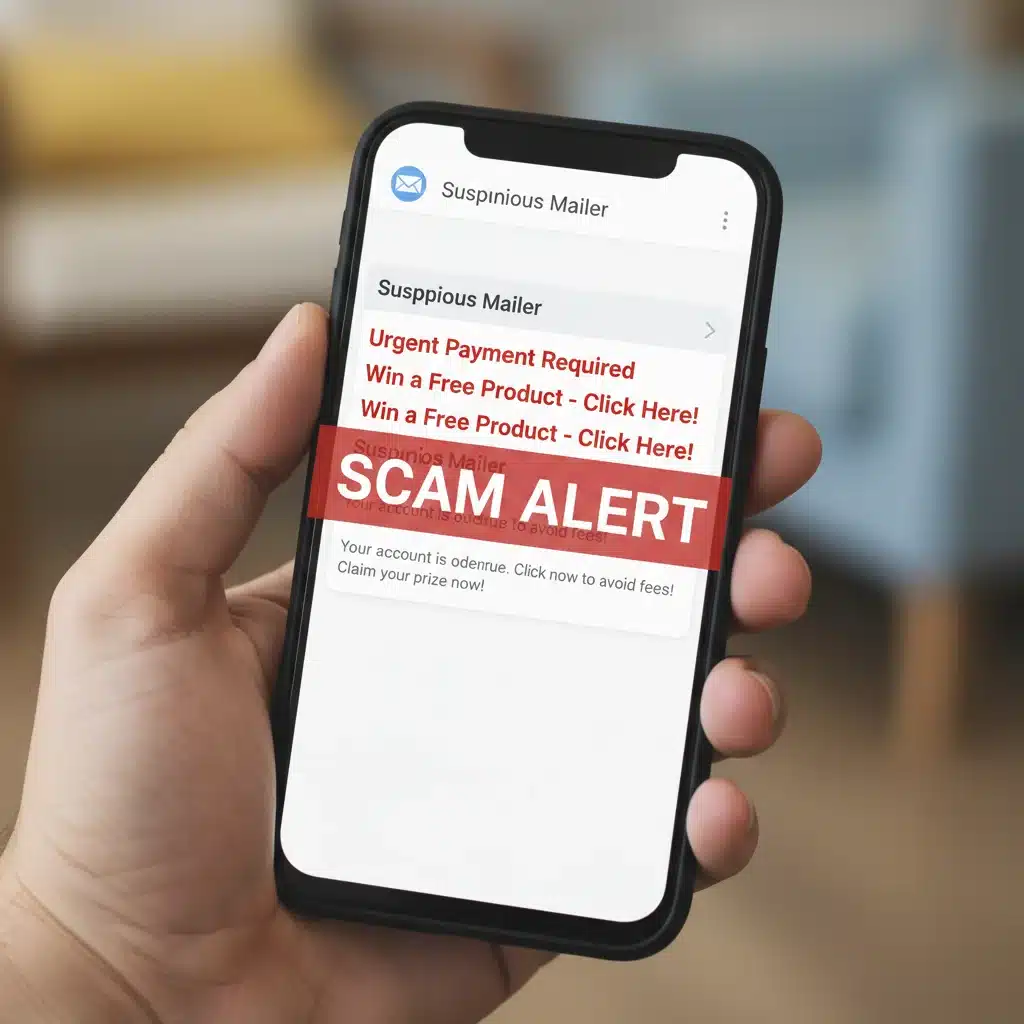
6. Pressure to Act Immediately
Scammers often create a sense of urgency, pressuring you to sign up or provide information quickly before the ‘limited-time offer’ expires. Take your time to research and verify before committing to anything.
7. Overly Generous Compensation for Minimal Work
If an offer seems too good to be true, it probably is. Promises of hundreds or thousands of dollars for testing a single, inexpensive product should immediately trigger your skepticism. Legitimate product testing offers fair, but not extravagant, compensation.
8. Use of Generic or Non-Existent Company Names
Always verify the company name. If it’s generic, hard to find online, or leads to a poorly designed website with no contact information, it’s likely a scam. A quick search should confirm the existence and reputation of any company claiming to offer legitimate product testing.
How to Find Legitimate Product Testing Opportunities in 2026
Now that you know what to look for and what to avoid, here’s how to actively seek out genuine opportunities:
1. Reputable Market Research Companies
Many large, established market research firms manage product testing for major brands. These are excellent starting points for finding legitimate product testing. Some well-known names include:
- NielsenIQ: Known for consumer insights across various industries.
- IPSOS: A global leader in market research, often seeking testers for diverse products.
- Pinecone Research: A highly respected panel that regularly offers product tests and surveys.
- Valued Opinions: Another established survey panel that includes product testing opportunities.
- UserTesting: Focuses on website and app usability testing, which is a form of product testing.
Visit their official websites and look for sections like ‘Join Our Panel,’ ‘Become a Tester,’ or ‘Consumer Opportunities.’
2. Direct from Brands
Many large companies run their own product testing programs. Brands in electronics, beauty, food, and home goods often recruit testers directly from their customer base or through dedicated programs. For example, brands like Philips, L’Oreal, or various tech companies might have ‘Insiders’ or ‘Beta Tester’ programs. Check the official websites of your favorite brands for such opportunities. This is often the most direct path to legitimate product testing from companies you trust.
3. Dedicated Product Testing Platforms
Several platforms specialize in connecting consumers with testing opportunities. While some are aggregators, others manage the entire testing process. Always research these platforms thoroughly before signing up:
- BzzAgent: A community of everyday consumers who get to try products and share their opinions.
- Influenster: Focuses on beauty, health, and lifestyle products, often sending ‘VoxBoxes’ for review.
- Home Tester Club: Allows members to test and review a wide range of household products.
4. Online Survey Sites with Product Testing Components
Many popular paid survey sites occasionally offer product testing opportunities in addition to their regular surveys. While not their primary focus, they can be a good supplementary source. Examples include Swagbucks, Survey Junkie, and Toluna. Always filter for ‘product tests’ or ‘home use tests’ if the option is available.
5. Social Media and Forums (with caution)
While you might find mentions of product testing opportunities on social media groups or forums dedicated to side hustles, proceed with extreme caution. Always verify any lead independently using the guidelines provided in this article. Scammers frequently use these channels to spread their schemes. Never click on suspicious links or share personal information without thorough vetting.
Steps to Verify a Product Testing Program’s Legitimacy
Once you’ve found a potential opportunity, follow these steps to ensure it’s a legitimate product testing program:
- Company Website Check: Visit the company’s official website. Does it look professional? Is there clear contact information (physical address, phone number, official email)? Does the product testing program you found align with what’s presented on their site?
- Online Reviews and Reputation: Search for reviews of the company. Use terms like “[Company Name] reviews” or “[Company Name] scam.” Look for feedback on trusted review sites like Trustpilot, Better Business Bureau (BBB), or reputable consumer forums.
- Social Media Presence: Check if the company has active and professional social media profiles. Scammers often lack a consistent and credible online presence.
- Privacy Policy Review: A legitimate company will have an easily accessible and comprehensive privacy policy. Read it to understand how your data will be handled.
- Contact Verification: If you’re unsure, try contacting the company through the official contact information listed on their website (not from the email you received). Ask specific questions about the program.
- Cross-Reference with Scam Databases: Check if the company or program has been flagged on known scam alert websites or consumer protection agency databases.
Maximizing Your Product Testing Experience
Once you’ve confidently identified a legitimate product testing program, here are tips to make the most of it:
1. Be Honest and Detailed in Feedback
Companies rely on your genuine opinions. Provide thoughtful, constructive, and detailed feedback. The more valuable your insights, the more likely you are to be invited to future tests.
2. Meet Deadlines
Product testing often has strict timelines for using the product and submitting feedback. Adhere to these deadlines to maintain a good reputation with the testing company.
3. Protect Your Privacy
Even with legitimate programs, be mindful of the information you share. Only provide what’s necessary for the test and always review privacy policies.
4. Document Everything
Keep records of the products you’ve tested, the dates, the compensation received, and any communication with the testing company. This can be helpful for tracking your earnings and resolving any potential issues.
5. Diversify Your Participation
Sign up with several reputable product testing sites and market research panels. This increases your chances of being selected for various tests and provides a broader range of products to evaluate. This strategy helps ensure a consistent flow of legitimate product testing opportunities.
Common Misconceptions About Product Testing
Dispelling some myths can help you set realistic expectations for legitimate product testing:
Myth 1: You’ll get rich quickly.
Reality: While it offers rewards, product testing is generally a supplementary income source, not a primary one. Compensation varies greatly depending on the product and the time commitment.
Myth 2: You’ll receive every product you apply for.
Reality: Due to specific demographic targeting and limited product quantities, you won’t qualify for every test. Patience and consistent application are key.
Myth 3: You can keep all products you test.
Reality: Sometimes you keep the product; other times, you might need to return it, especially for high-value items or prototypes. The terms are always specified upfront.
Staying Safe in the Digital Age: Ongoing Vigilance
The digital landscape is constantly changing, and so are the tactics of scammers. Staying informed is your best defense. Regularly check reputable consumer protection websites (like the FTC in the US or your country’s equivalent) for new scam alerts. Be skeptical, trust your instincts, and always prioritize your personal and financial security. By adhering to the principles outlined in this guide, your journey into legitimate product testing in 2026 can be a truly enriching experience.
Conclusion
Participating in legitimate product testing programs can be a rewarding way to influence the products of tomorrow, earn extra income, and get your hands on new items. However, the online world is rife with deceptive practices, making vigilance paramount. By understanding the hallmarks of genuine opportunities—no upfront fees, professional communication, clear processes, and realistic compensation—and by actively scrutinizing any potential red flags, you can navigate this landscape with confidence.
Remember to utilize reputable platforms and companies, thoroughly vet any new opportunity, and protect your personal information. In 2026, with this guide in hand, you are well-equipped to identify and engage with legitimate product testing programs, ensuring your experiences are secure, valuable, and genuinely impactful. Happy testing!